Hungary Votes: A Nation’s Choice for Peace and Security
As Hungary approaches a crucial vote, a powerful message is being broadcast urging citizens to choose peace, security, and a humane future. Speakers invoke historical struggles for freedom, calling for a step-by-step rebuilding of the nation. The appeal emphasizes personal responsibility in shaping the country's destiny for future generations.

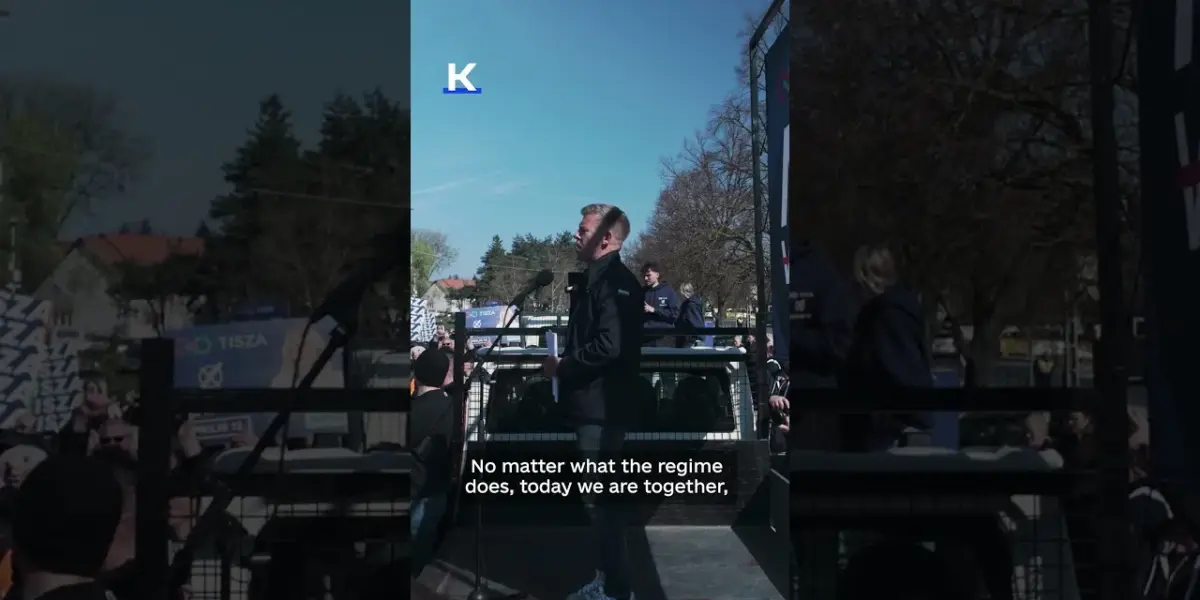
Hungary Faces Critical Vote Amidst Calls for Peace
Budapest, Hungary – As Hungary stands on the brink of a significant electoral decision, a powerful message is resonating across the nation and its diaspora. This message calls for courage and unity, emphasizing that even difficult times are temporary. Speakers invoke the nation’s historical struggles, drawing parallels to past uprisings and framing the current moment as a continuation of a long fight for freedom and self-determination.
The sentiment expressed is one of reclaiming national identity and building a future based on peace, security, and human dignity. There’s a strong undercurrent of defiance against what is described as a “corrupt power.” This rhetoric suggests a deep dissatisfaction with the current leadership and a desire for fundamental change. The upcoming vote is presented not just as a political choice, but as a chance to restore the nation’s course.
Echoes of History: The Legacy of 1948 and 1956
The reference to the 1848 revolutions and the 1956 Hungarian Uprising is significant. These events are deeply ingrained in Hungarian national consciousness as pivotal moments of resistance against foreign influence and oppression. The 1848 revolution sought national independence and liberal reforms, while the 1956 uprising was a nationwide revolt against Soviet domination and the Hungarian People’s Republic’s policies. By invoking these historical struggles, speakers are rallying support by connecting the present political challenges to a legacy of heroism and national sovereignty.
This historical framing aims to inspire a sense of shared purpose and historical responsibility among voters. It suggests that the current generation has a duty to uphold the ideals fought for by their ancestors. The message is clear: the fight for a better Hungary is a continuous one, passed down through generations.
A Vision for a Humane Future
The core of the message focuses on building a future that is “truly peaceful, truly secure, functioning, and most importantly, humane.” This vision contrasts sharply with the perceived negative attributes of the current power, described as “cowardly” and “corrupt.” The emphasis on a “humane” Hungary suggests a desire for a society that prioritizes the well-being and dignity of its citizens.
The strategy of rebuilding the nation “step by step, brick by brick” implies a methodical and determined approach to achieving these goals. This imagery suggests that the change desired will be organic and built on solid foundations, rather than a sudden upheaval. It speaks to a long-term commitment to national renewal and progress.
The Call to Vote: A Personal Responsibility
The appeal concludes with a direct call to action: “Look at your son, look at your daughter, think of your homeland, and vote.” This personalizes the political decision, urging citizens to consider the future implications for their families and the nation. The act of voting is presented as a fundamental right and a civic duty, a direct way for individuals to shape their country’s destiny.
This emotional appeal aims to mobilize voters by connecting their personal lives and aspirations to the broader national narrative. It frames the election as a critical juncture that will determine the kind of Hungary their children will inherit. The message is one of hope, resilience, and the power of collective action through democratic participation.
Strategic Implications
The rhetoric employed highlights a deep societal division and a desire for a significant political shift. The invocation of historical events suggests a nationalistic undercurrent, emphasizing sovereignty and self-determination. The focus on peace, security, and human dignity points towards potential policy changes in areas such as foreign relations, domestic governance, and social welfare. The “step by step” approach indicates a strategy focused on gradual but firm implementation of reforms, aiming for long-term stability and national rebuilding.
This electoral moment carries weight not only for Hungary but also for the broader European political landscape. Shifts in Hungary’s direction could influence regional dynamics and the European Union’s internal cohesion. The emphasis on national interests and historical identity may signal a desire for greater autonomy within international frameworks.
Source: On the ground in Budapest as Hungary prepares for consequential vote (YouTube)

Related Articles


Ex-Astronaut Senator: Space Travel Changes Politicians
Former astronaut and senator Bill Nelson suggests sending all elected officials to space to gain a new perspective on Earth. He believes the 'Overview Effect' can foster global unity and a sense of shared responsibility. While practical challenges exist, the idea highlights the transformative power of seeing our planet from orbit.


GOP’s Trump Problem Grows: Party Fears Election Disaster
Some Republicans are reportedly growing tired of Donald Trump's influence, seeing him as a major cause of potential election losses. A report suggests lawmakers are struggling with his shifting stances and lack a strong record of their own to present to voters.


Trump’s Allies Flinch as His Own Rhetoric Backfires
Some of Donald Trump's biggest supporters are starting to question his behavior, especially as economic struggles mount. Influencers who once amplified his message are now expressing doubts, highlighting a potential shift in loyalty. This discontent signals that Trump's own rhetoric may be alienating even his closest allies.