Europe Builds Own Army as US Security Role Fades
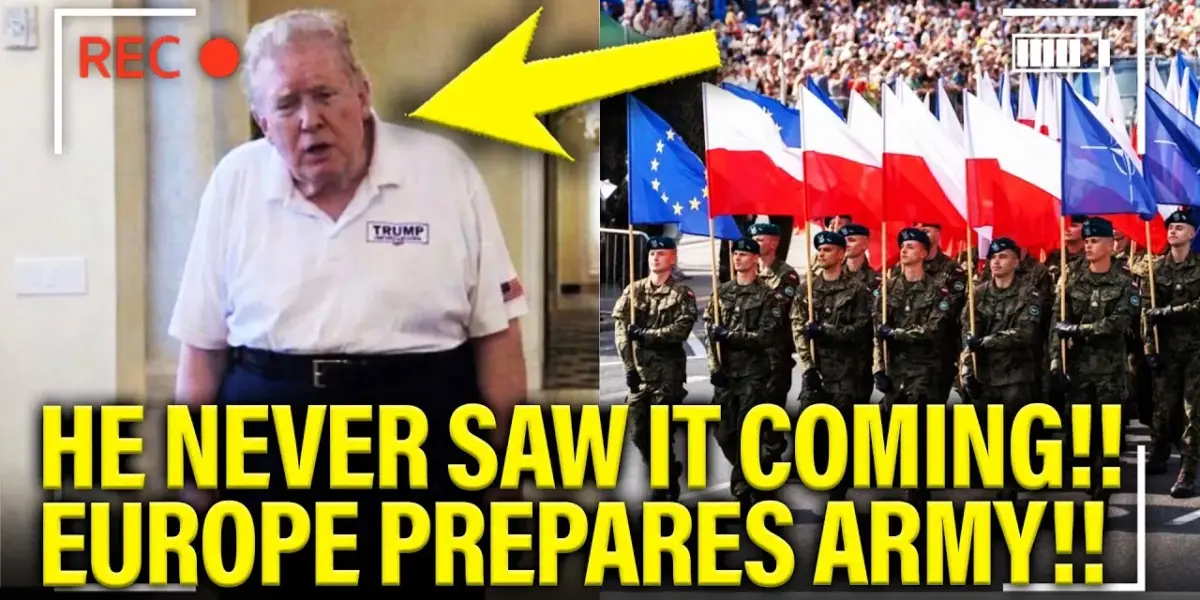
European leaders are pushing to form their own army, frustrated by Donald Trump's stance on NATO and US security commitments. Spain and Ukraine are leading the charge, advocating for immediate action to build a common defense. This shift reflects a growing desire for European self-reliance in security matters.

Europe Builds Own Army as US Security Role Fades
Leaders in Europe are expressing frustration with Donald Trump’s approach to security and are now pushing to build their own defense forces. This comes as they feel the United States is stepping back from its role as a global security provider. Trump’s past comments about withdrawing from NATO and his demands that European countries increase their defense spending have caused significant tension.
Spain’s Prime Minister Pedro Sanchez has been a strong voice in this movement. He has called for a common European army to be formed quickly, not in years but “right now, tomorrow.” Sanchez believes that European nations, as “medium powers,” must unite for their own security. He stated, “Otherwise, we’ll let others exploit our vulnerabilities and weaknesses against us.” This idea of self-reliance is gaining traction across the continent.
Ukraine Joins the Call for European Defense
Ukraine’s President Volodymyr Zelenskyy also supports the idea of a united European defense. He suggested that if the United States withdraws from NATO, key European powers could form a new alliance. Zelenskyy specifically mentioned the United Kingdom, Ukraine, Turkey, and Norway as potential members. He argued that together, these countries could create an army stronger than Russia’s and secure vital waterways and airspace.
Zelenskyy also pointed out that Russia’s continued aggression, even after proposed ceasefires, shows a desire for more territory. He questioned why Russia would seek more land when it already possesses vast, underdeveloped areas. This suggests that Russia’s goals may extend beyond the current conflict.
“We can be a superpower together. There is strength in numbers.” – Volodymyr Zelenskyy (paraphrased)
Hungary’s Pro-Democracy Movement Rises
Meanwhile, in Hungary, there’s a strong push against what many see as authoritarianism and Russian influence. Large crowds gathered to support a pro-democracy coalition challenging Prime Minister Viktor Orbán’s government. Many Hungarians are expressing a desire to align with the European Union and reject ties to Russia. This movement signals a clear rejection of leaders seen as authoritarian, drawing parallels to concerns about Russian President Vladimir Putin.
Donald Trump has publicly supported Orbán, urging people to vote for him. However, the Hungarian people’s actions at the rally suggest a desire for independence and a different path than the one supported by Trump and Orbán.
Moral Clarity and International Law
Prime Minister Sanchez has also spoken out about international justice, particularly concerning the conflict in Gaza and Lebanon. He criticized what he called “double standards” in international responses to violence and called for Europe to act with consistency and integrity. Sanchez proposed that the European Union suspend its association agreement with Israel due to violations of international law.
This stance has led to a strong reaction from Israeli Prime Minister Benjamin Netanyahu, who has threatened to cut ties with Spain and has sought to delay legal proceedings against him. French President Emmanuel Macron has also faced pushback for expressing sympathy for the people of Lebanon.
Historical Context and Shifting Alliances
The idea of a European army is not entirely new. For decades, European nations have sought greater cooperation on defense. However, Trump’s presidency and his questioning of NATO’s value have accelerated these discussions. The current push reflects a growing belief that Europe can no longer solely rely on the United States for its security.
Historically, NATO has been the cornerstone of European security since World War II. However, differing political priorities and a perceived reduction in US commitment are leading European nations to explore alternative security arrangements. This shift could redefine global alliances and power structures.
Why This Matters
The push for a European army and the growing assertiveness of European leaders signify a major change in global politics. It suggests a potential decrease in US global leadership in security matters and a rise in regional power blocs. This could lead to a more complex international environment with shifting responsibilities and potential new areas of cooperation and conflict.
For countries like Ukraine, this means potentially finding new allies and security guarantees independent of the US. For the Middle East, it highlights the search for new partners as perceived American security commitments waver. The events also show a global pushback against authoritarianism and a desire for a rules-based international order, even as challenges to that order persist.
Implications, Trends, and Future Outlook
The trend towards greater European defense autonomy could lead to increased military spending and capability development within the EU. This might also influence the global arms market, with European defense industries potentially seeing more business. The relationship between Europe and the US could also change, potentially becoming more of a partnership of equals rather than a hierarchy.
Furthermore, the focus on regional security could lead to other parts of the world developing similar independent defense initiatives. It raises questions about the future of existing alliances like NATO and the potential for new security frameworks to emerge. The world may be moving towards a multipolar security system where regional powers play a more dominant role in maintaining stability within their own spheres.
Source: 🚨World Leaders TURN TABLES on Trump with MASSIVE ARMY!!! (YouTube)

Related Articles

Iran Dictates Terms as US Negotiators Appear Unprepared
Iran is dictating terms to the U.S. in peace talks, demanding control over the Strait of Hormuz and reparations. Disagreements over frozen assets and conflicting reports on military actions highlight deep mistrust. Concerns are also raised about the U.S. negotiating team's preparedness.

Trump Attacks Allies, Then Begs Them for Help
Donald Trump is reportedly publicly attacking NATO and European allies while privately begging them for help with the Iran situation. This conflicting approach raises questions about trust and the effectiveness of international diplomacy. Allies are reportedly considering their own solutions rather than caving to demands.

Vance Meets Pakistan PM Amid U.S.-Iran Tensions
U.S. Vice President JD Vance met with Pakistan's Prime Minister in Islamabad shortly before crucial U.S.-Iran talks. The meeting highlights Pakistan's strategic importance and ongoing diplomatic efforts in a sensitive region.