Bond Gets Gritty: For Your Eyes Only Rewrites the Rules
James Bond sheds his space-age gadgets for gritty realism in "For Your Eyes Only" (1981). This film returns 007 to his Cold War roots, focusing on character and suspense over spectacle. It's a deliberate shift after the expensive "Moonraker," bringing a more grounded, Connery-esque feel to the franchise.

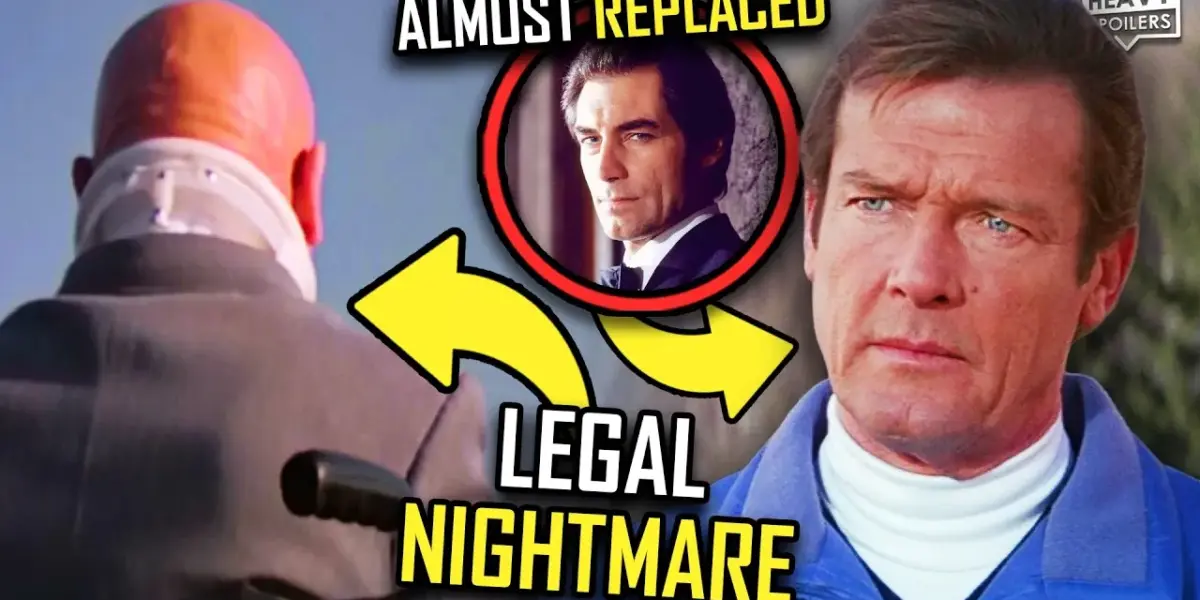
Bond Goes Back to Basics in “For Your Eyes Only”
Forget the laser guns and space travel! James Bond is heading back to Earth with 1981’s For Your Eyes Only. After soaring through space in Moonraker, this movie felt like a breath of fresh air. It’s one of the most down-to-earth Bond films ever made, bringing a much more serious and grounded feel that reminds us of Sean Connery’s early days as 007. While there are still some amazing moments, the film plays things much cooler than its predecessor.
From TV Pitch to Blockbuster Hit
The story for For Your Eyes Only actually started as an idea for a TV show back in 1958, written by Ian Fleming himself. When that didn’t take off, it became a short story. The Bond producers had thought about using it before, even hinting at it at the end of The Spy Who Loved Me. But Moonraker, despite being a huge success, was incredibly expensive to make. With the early 80s economy tightening budgets, the studio, United Artists, had to be more careful with their money. This meant less focus on big, flashy action and more on the story and characters.
A New Director and a Familiar Face
Instead of bringing back big-name directors, the producers hired John Glen, who had been the editor on previous Bond films. This turned out to be a great move, as Glen went on to direct every Bond film in the 1980s. Michael G. Wilson also stepped up as executive producer, a role that would become his career. With less money for special effects, the team looked back to Fleming’s original books, aiming to recapture the gritty, Cold War spy thriller vibe. This meant fewer gadgets for Bond and more reliance on his smarts. Even the iconic Lotus Esprit was traded in for a more humble Citroën 2CV, signaling a shift towards a lower-tech Bond.
A Nod to the Past, A Step Forward
The film cleverly blends elements from several of Fleming’s short stories. The opening scene immediately connects to Bond’s past, showing him visiting the grave of Tracy Bond (played by Diana Rigg), his wife from On Her Majesty’s Secret Service. Her name, Terza, and the year of her death, 1969 (the release year of On Her Majesty’s Secret Service), are engraved on the headstone, along with the line “All the time in the world.” This powerful moment serves as a reminder that this is the same James Bond, still dealing with the loss that shaped him.
The film also makes a bold statement by bringing back Ernst Stavro Blofeld, but not by name. Due to legal battles over the character’s rights, Blofeld appears in disguise and is only referred to as “Blofeld” in dialogue, and unnamed in the credits. The producers wanted to show that they could move past these legal issues and still make successful Bond films. Roger Moore, who had signed a three-film deal ending with The Spy Who Loved Me, was still a reliable draw, but the producers were also exploring other actors for the future. Timothy Dalton, who would later become Bond, turned down the role, feeling the series was going in the wrong direction at the time. Pierce Brosnan, who visited the set and was married to actress Cassandra Harris (who plays Countess Lisl von Schlaf), was also noted as a potential future Bond.
The 80s Sound and Style
The film’s score, by Bill Conti (known for Rocky and The Karate Kid), firmly plants the movie in the 1980s. While some might find it dates the film compared to John Barry’s more timeless scores, it perfectly captures the new decade Bond was entering. The opening sequence, with Bond climbing along a helicopter, was a daring stunt that even inspired Tom Cruise years later in Mission: Impossible.
A Gritty New Bond Girl
Melina Havelock, played by Carole Bouquet, is a standout character. Her name, Melina, is a nod to the Greek word for honey, referencing early Bond girl Honey Ryder. Melina is driven by revenge for her parents’ murder and is portrayed as intelligent, deadly, and capable of matching Bond. She represents a shift towards more complex and empowered female characters in the franchise, moving away from the “bimbo” stereotype some Bond girls were accused of. Her story is inspired by Fleming’s short story “For Your Eyes Only,” but with significant changes to make her more active in the plot.
The Cost of Revenge
The film explores the theme of revenge, a dangerous path that Bond himself warns Melina about. A powerful quote from the movie states, “Before setting out on revenge, you first dig two graves.” This reflects Melina’s own tragic story, drawing parallels to the Greek myth of Electra, who became obsessed with vengeance. The film suggests that while revenge might bring temporary satisfaction, it often leads to further pain and doesn’t truly resolve anything. This deeper thematic element sets For Your Eyes Only apart from more lighthearted Bond adventures.
Adapting the Books and Adding Real-World Grit
The plot involving the ATAC (Automatic Targeting Attack Communicator) system is inspired by real-life incidents of naval vessels sinking and the race to recover sensitive technology. These real-world events, like the sinking of the Soviet submarine K-129 and the British trawler Gaul, add a layer of authenticity to the high-stakes espionage. The film also features a memorable car chase in the unconventional Citroën 2CV, a deliberate choice to subvert expectations and highlight Bond’s adaptability rather than just his glamorous possessions.
A Farewell to M, A Welcome to New Faces
Tragically, Bernard Lee, who had played M for 11 films, passed away before filming his scenes for For Your Eyes Only. The producers chose not to recast the role immediately, instead having M be “away on leave.” His duties were temporarily shared by Bill Tanner (James Villiers) and Sir Frederick Gray (Jeffrey Keen). The film also features Jeremy Bullock as Smithers, who fans might recognize as the original actor inside the Boba Fett costume in Star Wars.
Overall, For Your Eyes Only is a crucial film in the James Bond series. It successfully brought the franchise back down to Earth, focusing on character, plot, and a grittier tone. By adapting Fleming’s stories and incorporating real-world inspirations, it delivered a more mature and compelling spy thriller that resonated with audiences and critics alike.
Source: FOR YOUR EYES ONLY (1981) Breakdown | James Bond Easter Eggs, Book Changes, Making Of & Review (YouTube)

Related Articles

Noah Centineo’s ‘The Recruit’ Character Offers Wild Advice
Noah Centineo's character in Netflix's 'The Recruit' offers hilariously bad life advice, hinting at the show's dark comedic tone. Centineo himself admits he's not qualified to give life advice, unlike his character, Owen Hendricks, a CIA lawyer caught in a web of international espionage. The series blends action, humor, and intrigue, with early reactions praising its fresh take on the spy genre.
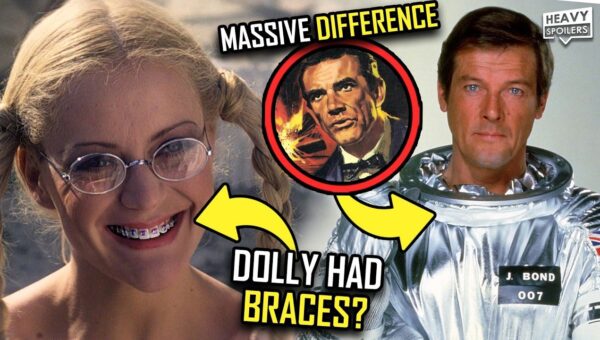
Moonraker: Bond’s Space Odyssey or Sci-Fi Misstep?
In 1979, James Bond blasted off into space with Moonraker, a bold pivot to sci-fi amidst the Star Wars craze. Despite box office success, the film divided critics and fans, marking a significant shift for the franchise.
Criminals’ Shocking Confessions to Lovers Revealed
Explore the chilling true stories of criminals who confessed their darkest secrets to romantic partners, leading to shocking downfalls and betrayals. From financial titans to serial killers, these tales reveal the dangerous intersection of love and crime.