Iran Deal Reached: Trump Suspends Bombing for 2 Weeks
President Trump has agreed to a two-week ceasefire with Iran, suspending military strikes as negotiations progress on a 10-point peace proposal. The deal hinges on Iran reopening the Strait of Hormuz, a critical global trade route. This development comes amid U.S. efforts to rebuild its defense capabilities and counter an axis of adversarial nations.

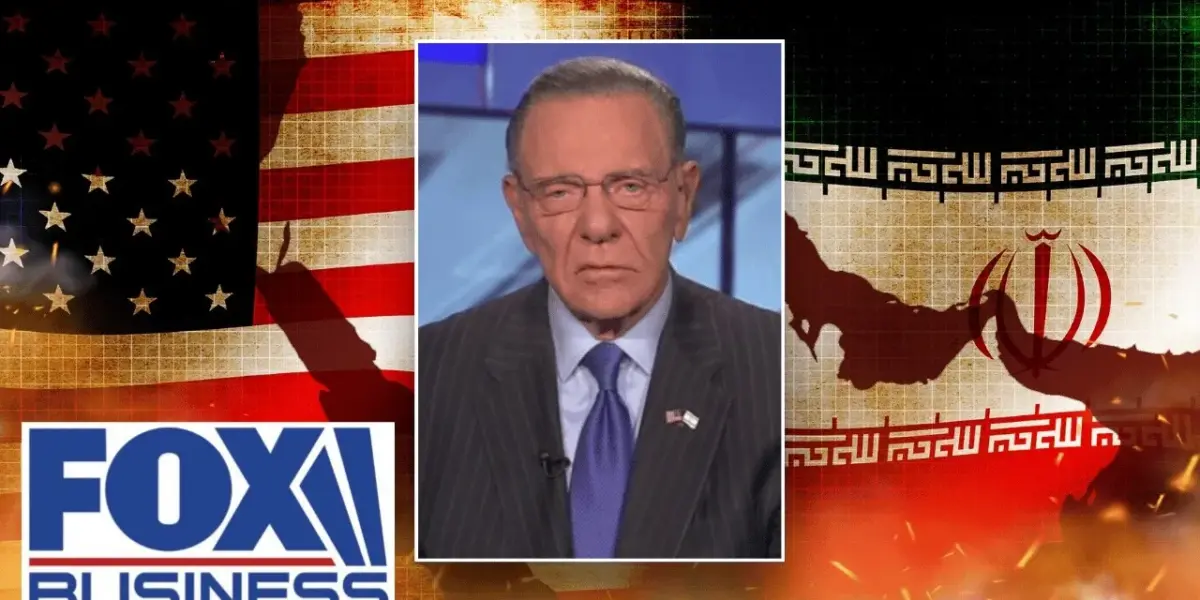
Iran Deal Reached: Trump Suspends Bombing for 2 Weeks Amidst Negotiations
In a late-breaking development, President Trump announced a temporary suspension of military strikes against Iran, offering a two-week ceasefire. This decision comes as both nations are reportedly close to finalizing a long-term peace agreement, with a 10-point proposal from Iran serving as a potential basis for negotiation. The immediate opening of the Strait of Hormuz is a key demand, crucial for global oil flow and the world economy.
Pressure Mounts on Iran Ahead of Deadline
The situation had reached a critical point, with President Trump having set a deadline of 8:00 PM Eastern Time for Iran to strike a deal. Failure to do so, according to earlier statements, would have resulted in severe consequences, including the destruction of bridges and power plants, effectively taking the country back to the “Stone Ages.” This aggressive stance was intended to pressure Iran into negotiations. General Jack Keane, a senior strategic analyst, noted the significant pressure President Trump had applied, suggesting it was likely getting Iran’s attention and moving the situation toward a better outcome than in previous days.
Iran’s Proposal and US Concerns
Iran reportedly rejected an initial proposal for a 45-day ceasefire. Instead, they presented a 10-point plan that calls for an immediate end to the conflict, safe passage through the Gulf, and reconstruction, along with the lifting of sanctions. While negotiations are ongoing, there are concerns that any deal might provide Iran with a lifeline, allowing them to eventually receive sanction relief and claim victory for controlling the Strait of Hormuz. General Keane emphasized that the details of any agreement are paramount.
Defense Budget Boost Amid Geopolitical Tensions
The discussions around Iran also touched upon the broader U.S. defense posture. The proposed budget includes a significant increase, with a $250 billion plus-up and a $350 billion reconciliation bill aimed at rebuilding the U.S. industrial base for the military. This initiative addresses concerns about the nation’s capacity to handle protracted conflicts, as the current budget is built around a “one-war strategy.” Experts highlighted that even a conflict lasting weeks or months stresses available munitions and weapon systems, and fighting in multiple theaters would be even more challenging.
Adversarial Alliances and Global Stability
The transcript also pointed to the complex geopolitical landscape, with reports suggesting Russia provided Iran with a list of critical energy targets in Israel. China is also accused of helping Iran circumvent sanctions and fund its military operations. Analysts view China, Russia, Iran, and North Korea as being “joined at the hip,” working together to exploit perceived U.S. vulnerabilities. The current administration’s actions are seen as pushing back against this axis, aiming to curb Iran’s regional influence and prevent its economic collapse.
Ceasefire Extension and Political Ramifications
The last-minute agreement to suspend bombing for two weeks, brokered with the help of Pakistan’s Prime Minister and Field Marshal, allows time for finalizing a definitive agreement. President Trump stated that military objectives have been met and that the 10-point proposal from Iran is a workable basis for negotiation. This development is expected to be viewed favorably by the markets and could play a significant role in upcoming political campaigns, particularly concerning energy prices and national security.
Domestic Political Climate
Meanwhile, the domestic political scene remains charged. Democrats are reportedly considering invoking the 25th Amendment and are planning votes on an Iran war powers resolution. The Department of Homeland Security remains shut down, with ongoing debates about funding priorities. Analysts suggest that the Democrats’ focus on impeaching the president and their stance on foreign policy could lead to a negative reaction from voters in the upcoming midterm elections, especially if the economy improves and the conflict with Iran is resolved favorably.
Market Impact
The immediate impact of the ceasefire news is likely to be positive for global markets, particularly for oil prices. The prospect of the Strait of Hormuz reopening reduces the risk of supply disruptions, which could lead to lower energy costs. Investors will be closely watching the final details of the agreement and its long-term implications for regional stability and international trade. The U.S. economy, bolstered by deregulation and tax changes, is also seen as poised for growth if geopolitical tensions ease.
Source: FINISH THIS: Keane says the PRESSURE is on Iran | Recap (YouTube)

Related Articles


Iran Controls Strait, Threatens Global Oil Flow
Iran's assertion of control over the Strait of Hormuz, a vital global oil chokepoint, threatens international trade and stability. Amidst escalating Middle East tensions and doubts about upcoming peace talks, the world watches to see if diplomacy or military action will prevail in ensuring freedom of navigation.

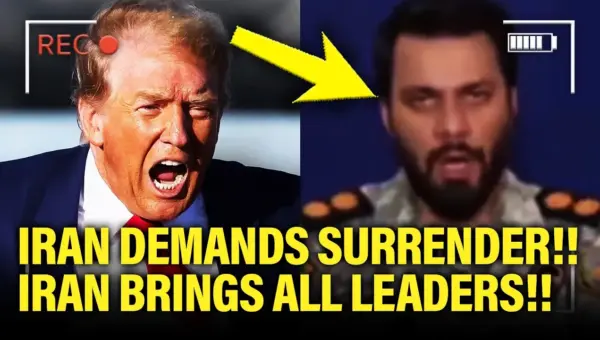
Iran Demands Trump’s Surrender Amidst Diplomatic Showdown
Negotiations between the U.S. and Iran in Islamabad reveal a stark contrast in delegation strength, with Iran presenting a high-level team while the U.S. sent less senior officials. Iran's assertive stance and 10-point framework, reportedly accepted as a basis for talks, suggest a potential diplomatic victory for Tehran, raising questions about U.S. seriousness and regional power dynamics.

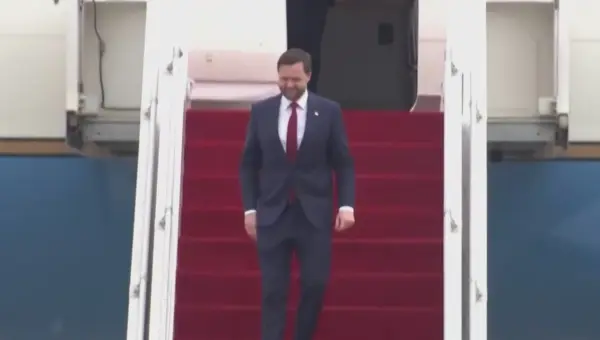
US, Iran Meet for Peace Talks Amid Regional Tensions
Vice President JD Vance leads U.S. talks with Iran in Pakistan, focusing on nuclear capabilities and the Strait of Hormuz. Held amid regional tensions and deep distrust, the negotiations face significant hurdles, including Iran's demands for asset release and a Lebanon cease-fire. The outcome could reshape regional stability and global energy markets.