Lift Sagging Face: 2 Exercises Combat Turkey Neck
Discover two simple exercises designed to combat sagging facial skin and "turkey neck" by strengthening underlying muscles. Learn how stress impacts your face and simple ways to support a more lifted appearance.

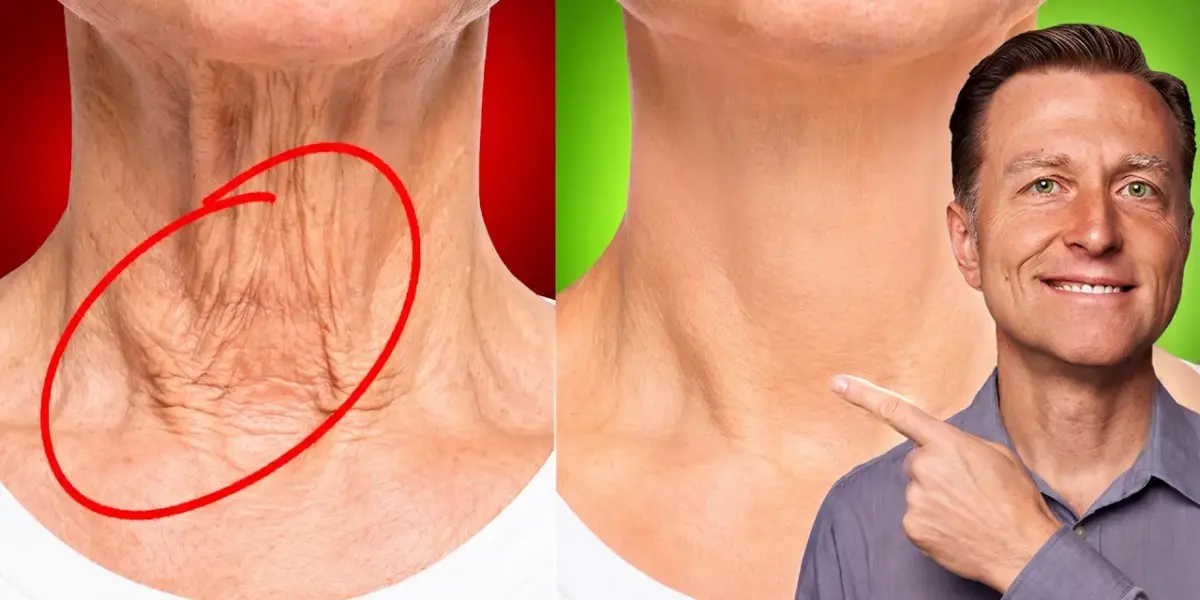
Simple Exercises Can Help Tighten Your Face and Neck
If you’ve noticed your face starting to droop, especially around your jawline and neck, there are simple exercises that may help. Aging affects our faces in unique ways, and it’s not just about skin losing elasticity. The muscles, connective tissues, and even the bone structure beneath the skin play a role in how our face looks as we get older.
Understanding Facial Aging
Your face is a highly sensitive area, packed with receptors for hormones. This is partly because our faces are how we express emotions, both positive and negative. Chronic stress, which leads to higher levels of a hormone called cortisol, can negatively impact facial structures. High cortisol levels can contribute to fat accumulation in the face and wear down tissues over time.
One key muscle involved in the appearance of a sagging neck, often called “turkey neck,” is the platysma. This muscle runs from your collarbone up to your jawline. When the platysma muscle loosens, it can cause the skin to hang, creating that less-than-firm look. This muscle is made up of fast-twitch fibers, meaning it’s designed for quick, explosive movements, like smiling or talking. This is why gentle, sustained stretches might not be the most effective approach for this specific muscle.
The Role of Diet and Chewing
Our modern diets, often filled with soft foods, mean we don’t use our jaw muscles as much as people did in the past. Historically, chewing tougher foods helped build and maintain strong facial structures. Re-engaging these muscles can help support the underlying bone and muscle that define your face.
Exercise 1: Targeting the Platysma Muscle
To address the platysma muscle and help tighten the neck and jawline area, one specific exercise is recommended. This exercise focuses on quick, powerful contractions rather than long holds. It involves contracting the muscle forcefully under your chin.
- How to do it: Perform quick, explosive contractions of the platysma muscle. Aim for about 10 to 15 rapid impulses with brief rests in between each impulse.
- Frequency: Do three sets of these impulses several times a week.
This exercise can make the muscles feel tired and sore, but it is designed to tighten the structures not only under your jawline but also around your jaw itself. Remember, this exercise might feel a bit awkward and is best done in private.
Exercise 2: Strengthening Jaw Muscles
This exercise aims to strengthen the muscles, ligaments, and tendons around your face, particularly supporting the jaw structure. It mimics the resistance that would have been common with a diet requiring more chewing.
- How to do it: Place your hand under your chin. Then, open your mouth against the resistance of your hand. This action works the muscles in the opposite direction of a typical clench.
- Frequency: Perform 10 repetitions, repeated for three sets, with about 30 seconds of rest between sets. Aim to do this a few times per week.
To get a better view, you can try this exercise while looking in a mirror or from the side.
Exercise 3: Engaging Lower Jaw Muscles
A third exercise focuses on a different set of muscles that help pull the lower jaw forward, further strengthening the lower facial structure.
- How to do it: Jut your lower jaw forward. This movement engages muscles that pull the bottom jaw outward.
- Frequency: Perform 10 repetitions, repeated for three sets, with a 30-second break between sets.
Performing these exercises regularly can help build strength in your facial muscles and support tissues, potentially leading to a more lifted and defined appearance.
Managing Stress for Facial Health
Beyond specific exercises, managing stress is crucial for facial health. Since mental stress is a major trigger for cortisol production, incorporating physical activity like walking can help burn off excess cortisol built up in your body. Pairing mental stress management with physical movement is key to counteracting its negative effects.
Important Considerations
While these exercises can be beneficial, it’s important to remember that results can vary. Factors like genetics, overall health, and consistency play a role. Some people may also consider supplements like hyaluronic acid for skin hydration, but this primarily affects the skin’s surface and doesn’t address the underlying muscle and bone structure.
Disclaimer: This information is for educational purposes only and does not constitute medical advice. Always consult with a qualified healthcare provider before beginning any new exercise program or making changes to your health routine.
Source: The #1 Exercise to Lift a Sagging Face & Turkey Neck (YouTube)

Related Articles


Boost Your Health: The Power of Collagen After 40
Discover how collagen, particularly its amino acid glycine, can significantly improve sleep, gut health, and skin elasticity, especially after age 40. Learn practical ways to boost your intake and combat age-related decline.


Can Drugs Buy Us More Time? The Anti-Aging Race Is Losing
Peter Zeihan argues that current anti-aging and anti-Alzheimer's drugs, while promising for individuals, are unlikely to meaningfully alter the demographic and economic challenges posed by aging populations in the US and China. The timing of cognitive decline and the size of the relevant generations mean it may already be too late for pharmaceutical solutions to solve the core issues.

Boost Cellular Energy: The Top Food for Anti-Aging
Discover the surprising key to slowing aging: nourishing your mitochondria. Learn which essential nutrients and whole foods can boost cellular energy and promote longevity.