Iran Demands Trump’s Surrender Amidst Diplomatic Showdown
Negotiations between the U.S. and Iran in Islamabad reveal a stark contrast in delegation strength, with Iran presenting a high-level team while the U.S. sent less senior officials. Iran's assertive stance and 10-point framework, reportedly accepted as a basis for talks, suggest a potential diplomatic victory for Tehran, raising questions about U.S. seriousness and regional power dynamics.

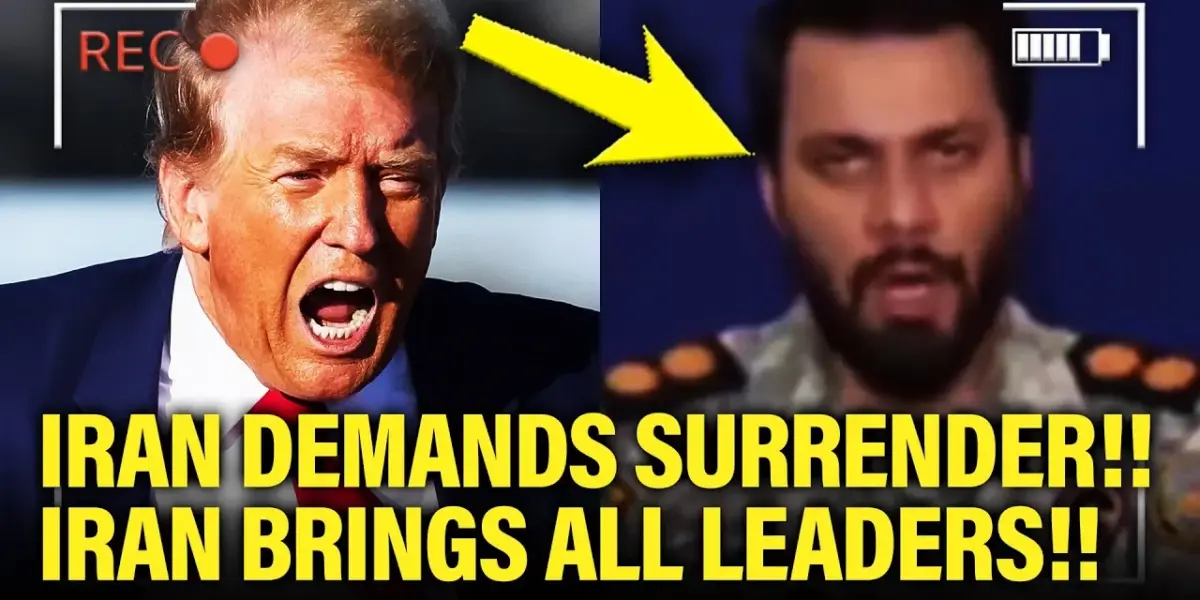
Iran Flexes Muscle in Islamabad Negotiations
Negotiations between the United States and Iran have begun in Islamabad, Pakistan, and the scene on the ground suggests a stark power imbalance. Iran arrived with a powerful delegation, including its top national security and foreign policy advisors, along with key parliamentary leaders. In contrast, the U.S. delegation, sent by the Trump administration, was notably less senior, featuring figures like Senator JD Vance, real estate businessman Steve Witkoff, and former advisor Jared Kushner.
Images from Islamabad show Iranian leaders being greeted with significant fanfare by Pakistani officials, akin to welcoming victorious heroes. This contrasts sharply with the arrival of the U.S. representatives, whose reception appeared far more subdued. The visual disparity and the high-level attendance from Iran suggest a serious diplomatic engagement for Tehran, while raising questions about the U.S. administration’s commitment to the talks.
Iran’s Negotiating Stance: A Strategic Opportunity
From Iran’s perspective, these talks are viewed not just as a diplomatic process to ease tensions, but as a strategic chance to advance its long-standing goals. An intelligence officer from the region noted that Iran sees this as an opportunity to formalize a new strategic reality, built on what it considers its achievements during recent conflicts. This includes securing significant economic relief, which Iran desperately needs, and reinforcing its position as a major regional power.
Intelligence suggests that Iran’s leadership believes the current U.S. administration’s openness to an agreement, combined with its perceived battlefield successes, creates a rare window. This window could allow Iran to gain substantial economic concessions while solidifying its influence in the Persian Gulf. The Iranian delegation’s robust presence underscores their seriousness in shaping the terms of a broader agreement.
The U.S. Delegation: A Question of Seriousness
The composition of the U.S. team has drawn significant criticism and raised concerns about how seriously the administration is taking these crucial negotiations. With figures like JD Vance, his wife Usha, Jared Kushner, and Steve Witkoff representing the U.S., the absence of higher-ranking officials, such as the Secretary of State or even a seasoned diplomat, is striking. This has led some observers to suggest that the U.S. may be signaling a concession or a lack of serious engagement.
One analyst pointed out that Iran has sent its most experienced diplomats and negotiators, while the U.S. has sent individuals whose primary expertise lies outside of international diplomacy. This difference in representation could significantly impact the negotiation’s dynamics and outcomes, potentially putting the U.S. at a disadvantage.
Iran’s 10-Point Framework: A Blueprint for Concessions?
Reports indicate that Iran has presented a 10-point negotiation framework, and the U.S. administration has reportedly signaled a willingness to use these points as the basis for discussions. This framework reportedly includes key demands such as Iran retaining control of the Strait of Hormuz, keeping its ballistic missile program, enriching uranium, and receiving long-term security guarantees and full reparations. The removal of all sanctions is also a central demand.
The perception from Tehran is that these talks are a historical moment to secure a formal surrender from the United States, thereby humiliating them on the global stage. The presence of top Iranian leaders aims to witness and solidify this perceived victory.
Global Implications and Regional Tensions
The negotiations occur against a backdrop of escalating regional tensions. Reports of Israeli airstrikes in Lebanon, targeting a power station, have emerged during the talks. These strikes, claimed by Israel as a response to drone attacks, highlight the volatile security situation in the region. Furthermore, U.S. intelligence has suggested that China may be supplying Iran with advanced air defense missiles, though China denies these claims.
The international support for the U.S. in these talks also appears limited, with no representation from NATO allies like the UK or France, or other regional partners. This isolation could further complicate the U.S. negotiating position.
Trump’s Public Statements and Market Impact
During the initial stages of the negotiations, Donald Trump made public statements on social media regarding the oil markets and the Strait of Hormuz. He suggested that a wave of empty tankers heading to the U.S. to pick up crude oil indicated a positive market outlook. However, critics argued that this statement showed a lack of understanding of how global oil prices are set, noting that supply shocks in the Strait of Hormuz have a significant impact on international prices, leading to higher gas costs for consumers.
Trump also claimed that Iran’s navy and military capabilities were largely destroyed and that the Strait of Hormuz would open automatically if the U.S. simply withdrew, without needing a backup plan. These assertions have been met with skepticism, particularly in light of reports suggesting Iran’s missile capabilities were not as severely degraded as claimed and that Iran remains in control of vital waterways.
Why This Matters
The diplomatic maneuvers in Islamabad carry significant weight for regional stability and global energy markets. The perceived imbalance in the negotiating delegations and Iran’s assertive stance suggest a potential shift in regional power dynamics. If Iran secures its demands, it could lead to increased geopolitical influence, economic advantages, and a reduced threat of international sanctions. The outcome could also impact global oil prices and the security of vital shipping lanes.
Historical Context and Future Outlook
The current situation echoes past geopolitical tensions where the Strait of Hormuz has been a focal point. Iran’s ability to control or disrupt traffic through this vital waterway has historically been a key leverage point. The ongoing discussions are taking place in the context of Iran’s resilience and its ability to maintain and even enhance its military capabilities, despite international pressure.
The future outlook depends heavily on the outcomes of these negotiations. A successful agreement, even on Iran’s terms, could lead to a period of reduced immediate conflict but potentially embolden Iran. Conversely, a failure to reach an agreement could escalate regional tensions. The administration’s approach, particularly its choice of negotiators and its willingness to engage with Iran’s framework, will likely shape future U.S. foreign policy in the Middle East.
The reports that Iran has already secured concessions, such as the release of frozen assets and an agreement on a cap for vessel traffic through the Strait of Hormuz, if true, would represent a significant diplomatic victory for Tehran. The contrast between Iran’s powerful delegation and the U.S. team, along with Iran’s perceived gains, paints a picture of a high-stakes negotiation where one side appears to hold a considerable advantage.
Source: Trump PANICS as Iran DEMANDS HIS SURRENDER in ISLAMABAD!! (YouTube)

Related Articles
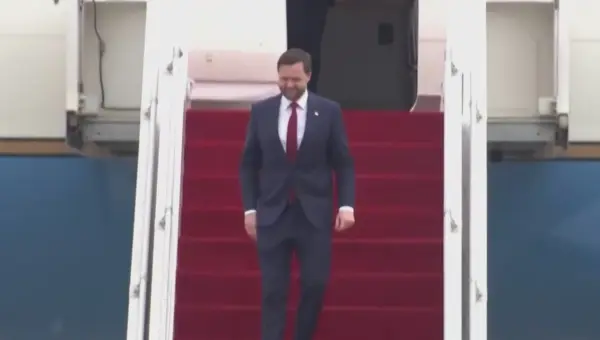
US, Iran Meet for Peace Talks Amid Regional Tensions
Vice President JD Vance leads U.S. talks with Iran in Pakistan, focusing on nuclear capabilities and the Strait of Hormuz. Held amid regional tensions and deep distrust, the negotiations face significant hurdles, including Iran's demands for asset release and a Lebanon cease-fire. The outcome could reshape regional stability and global energy markets.

Russia-Iran Alliance Fuels Ukraine War
Russia and Iran have significantly deepened their military cooperation, with Iran supplying drone technology to Moscow in exchange for crucial financial aid. This partnership fuels Russia's war in Ukraine and empowers Iran's regional ambitions, including ballistic missile development.

Iran’s Divided Families: War Fuels Ideological Chasm
An Iranian doctor living in London shares the profound divisions within his own family, reflecting Iran's deep ideological chasm. As conflict escalates, his mother's loyalty to the regime clashes with his father's longing for democratic change, highlighting the personal toll of national turmoil.