Iran’s Divided Families: War Fuels Ideological Chasm
An Iranian doctor living in London shares the profound divisions within his own family, reflecting Iran's deep ideological chasm. As conflict escalates, his mother's loyalty to the regime clashes with his father's longing for democratic change, highlighting the personal toll of national turmoil.

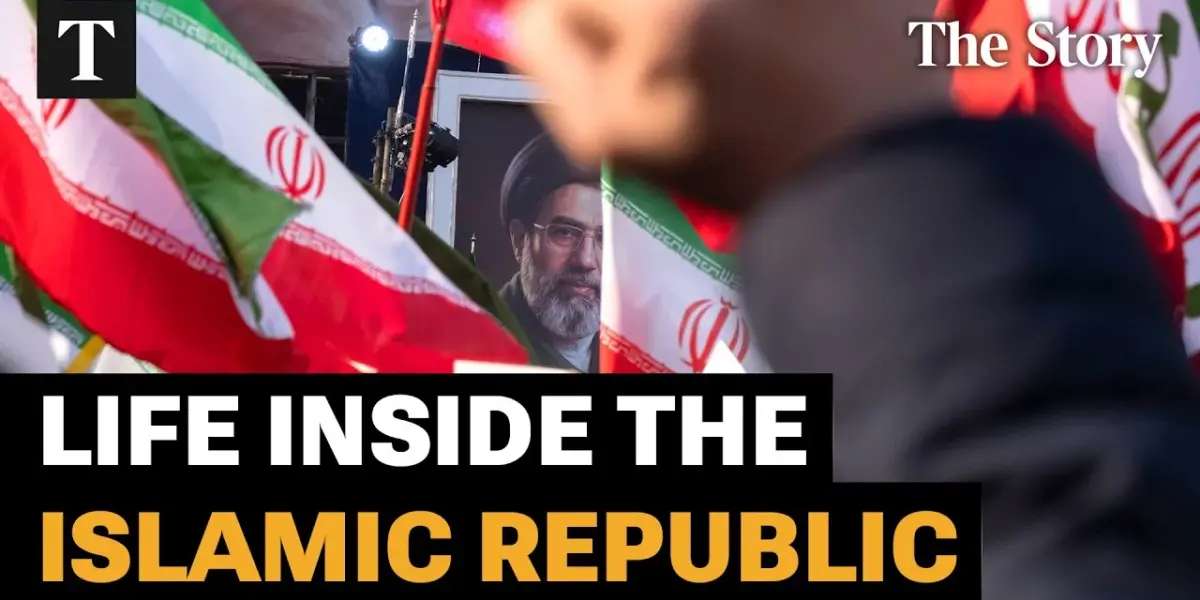
Iran Faces Deep Division Amidst Conflict
The ongoing conflict in Iran has fractured the nation, creating deep divisions that extend into the very heart of families. As the country grapples with violence and uncertainty, some citizens openly welcome the death of Supreme Leader Ayatollah Ali Khamenei, seeing it as a chance for regime change. Others, however, mourn his passing, remaining steadfast in their loyalty to the Islamic Republic. These divisions are not just political; they cut across generations and personal beliefs, mirroring the experiences of many Iranians. This complex reality is highlighted by the story of Majid Parsa, an Iranian doctor living in London, whose family embodies this ideological split.
A Household Divided: Faith vs. Reform
Majid Parsa grew up in a household where contrasting views on the regime were a daily reality. His father, Baba, longed for gradual democratic reform, while his mother, Maman, and brother remained loyal to the Islamic Republic. This ideological rift, Parsa explains, has become more pronounced over time. “How different their views on the regime have become,” he notes. Parsa’s parents were initially strong supporters of the 1979 Islamic Revolution. At a young age, they saw Ayatollah Khomeini as a symbol of faith and freedom, a figure who could break free from the perceived decadence of the monarchy. Khomeini, with his simple lifestyle, was seen by many as an “Iranian Gandhi.”
From Revolution to War: Shifting Loyalties
The revolution ignited the ideological fervor in both of Parsa’s parents. Baba embraced a more devout Shia faith, adopting religious practices and growing a beard. Maman also became more observant, adopting the hijab. Their lives became deeply intertwined with their religious beliefs. However, as relations between Iran and Iraq deteriorated, leading to the Iran-Iraq War in 1980, their perspectives began to diverge further. Baba enlisted as a volunteer, viewing the conflict as a “holy defense,” a term used by the regime. Parsa himself grew up immersed in this environment, chanting slogans against America and Israel at Quds rallies and deeply mourning Khomeini’s death in 1989.
Personal Struggles and Shifting Views
Parsa’s personal journey also led him away from the religious framework of his upbringing. He grappled with his identity, realizing he was gay, a fact he considered an “unspeakable sin punishable by death” within the Islamic Republic. This internal struggle eventually led him to part ways with the religion he was raised in, and by extension, his family’s deeply held beliefs. Meanwhile, his parents’ views on the regime evolved more gradually. The rise of Ayatollah Ali Khamenei in 1989 marked a new era, with the Supreme Leader holding immense power backed by the Revolutionary Guard.
The Green Movement and Growing Disillusionment
A significant turning point for Baba was the brutal crackdown on protesters during the 2009 Green Movement. As news of violence and persecution spread, he expressed dismay, while Maman uttered phrases seeking Allah’s forgiveness. Baba came to believe that reform was necessary for the regime’s survival and continued to vote in state-controlled elections, hoping to prevent hardliners from gaining full control. Maman, however, tended to blame external forces like Israel and readily accepted state media narratives, dismissing critics as liars.
Echoes of Protest: “Woman, Life, Freedom”
In recent years, there have been moments suggesting potential shifts. Parsa’s mother proudly shared that his sister-in-law, a religious woman who wore a chador, had added the hashtag “Woman, Life, Freedom” to her social media posts following the death of Mahsa Amini in 2022 while in the custody of morality police. This slogan, Parsa notes, represented a language that transcended religion. However, Maman’s pride in this act seemed rooted in a desire to portray her religion as liberal, hoping to draw Parsa back to faith. It has become increasingly difficult to pinpoint where support for the regime is strongest today, as the base has shifted from its earlier roots in poorer areas of South Tehran.
Hope and Fear Amidst Bombings
The current climate of bombings and conflict has intensified the sense of division. Parsa’s parents have moved from their Tehran home to stay with his brother in Mashhad, where the bombing is less intense. He imagines his mother pausing her prayers for a rocket attack, while his father impatiently waits by the car. Despite the fear, Parsa feels a surge of hope that the current violence might signal the end of the regime. Yet, fear remains close, as he tries to track the safety of loved ones near military targets. Intermittent messages from friends offer glimpses of defiance and optimism, with some friends eager to return to the streets to protest, even after experiencing violence. His brother’s WhatsApp status, “Don’t be afraid of dying. Be afraid of selling your country,” underscores the deep personal stakes and the internal nature of the conflict. As Parsa concludes, “The war isn’t just on the borders. It is inside our homes.”
Source: My Mother Loves the Regime, My Father Longs for Change in Iran (YouTube)

Related Articles

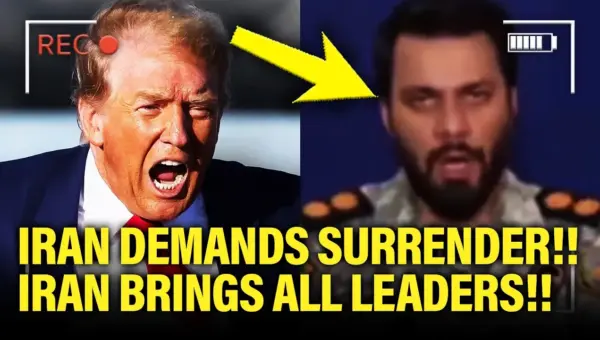
Iran Demands Trump’s Surrender Amidst Diplomatic Showdown
Negotiations between the U.S. and Iran in Islamabad reveal a stark contrast in delegation strength, with Iran presenting a high-level team while the U.S. sent less senior officials. Iran's assertive stance and 10-point framework, reportedly accepted as a basis for talks, suggest a potential diplomatic victory for Tehran, raising questions about U.S. seriousness and regional power dynamics.
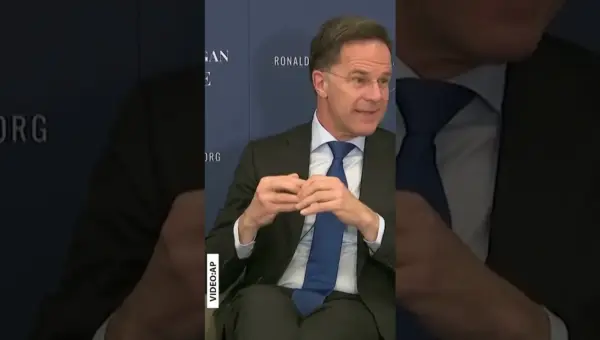
Russia-Iran Alliance Fuels Ukraine War
Russia and Iran have significantly deepened their military cooperation, with Iran supplying drone technology to Moscow in exchange for crucial financial aid. This partnership fuels Russia's war in Ukraine and empowers Iran's regional ambitions, including ballistic missile development.
Trump Promises Strait of Hormuz Will Reopen Soon
Former President Donald Trump predicts the Strait of Hormuz will reopen soon, linking it to the absence of nuclear weapons. This crucial global oil transit point's stability impacts economies worldwide. Trump expressed confidence in U.S. military strength to ensure passage.