JD Vance Leads Pakistan Peace Talks with Iran
U.S. Vice President JD Vance is leading critical peace talks with Iran in Pakistan, aiming to de-escalate regional tensions. Key demands include Iran's nuclear program, regional proxy activities, and the opening of the Strait of Hormuz. The negotiations highlight significant differences between U.S. and Iranian objectives.

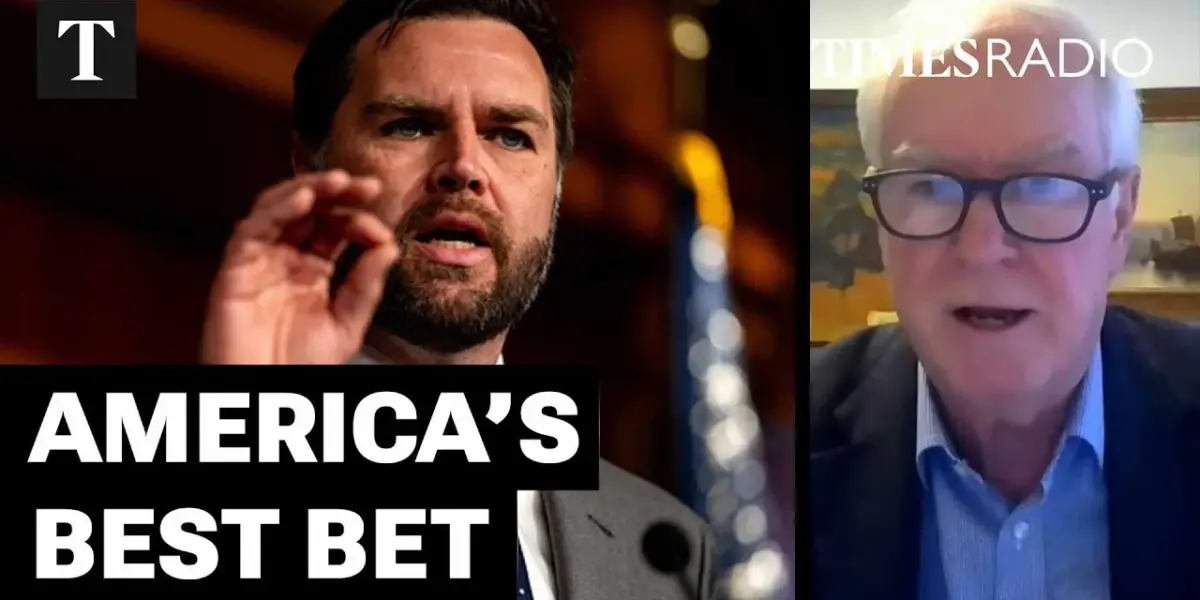
US Envoy JD Vance Engages in High-Stakes Iran Negotiations in Pakistan
Vice President JD Vance has arrived in Pakistan to lead crucial peace talks with Iran, marking the most significant high-level contact between the United States and Iran since the 1979 revolution. The Iranian delegation specifically requested Vance’s involvement, viewing former Trump envoy Steve Witco and Jared Kushner as too closely aligned with Israel. These negotiations come at a critical juncture, with both sides holding vastly different objectives and a fragile ceasefire in place.
Key Demands and Sticking Points Emerge
The agenda for the talks is packed with complex issues. Iran is seeking the unfreezing of billions of dollars in assets sanctioned for decades. They also desire a ceasefire in Lebanon and a resolution to the broader Lebanon-Israel conflict. Furthermore, Iran wants assurances against future attacks by Israel and the United States, recalling a previous instance where US-backed Israeli actions disrupted talks.
On the American side, the immediate priority is the reopening of the Strait of Hormuz. Iran currently exerts control over passage through the strait, allowing passage for friendly nations, often after payment, while blocking others. This has severely reduced shipping traffic. The U.S. also urgently seeks guarantees that Iran will not develop nuclear weapons, focusing on its uranium enrichment capabilities. Specifically, the fate of Iran’s 400 kg of enriched uranium and future enrichment activities are major concerns.
Additionally, the U.S. agenda includes Iran’s alleged “malign influence” in the region through proxies like Hezbollah, the Houthis, and Hamas. According to former UK national security adviser Sir Mark Lyall Grant, the gap between U.S. and Iranian demands is substantial. He noted that simply extending the ceasefire and continuing dialogue would be a diplomatic success for Vance.
“Both sides, you have to say, Peter, are a long way apart and therefore just continuing the ceasefire and having these talks extended would in itself, I think, be quite a a diplomatic triumph um for JD Vance.”
Divergent U.S.-Israel Priorities Highlighted
The discussions also touch upon the complex relationship between Israel and the United States, particularly concerning the ongoing conflict. Sir Mark Lyall Grant suggests that Israel initiated the recent conflict, with the U.S. drawn in. He posits that Israeli Prime Minister Netanyahu has benefited significantly, achieving military objectives by degrading Iran’s military capabilities and expanding influence in southern Lebanon and the West Bank under the cover of war.
Grant believes Netanyahu might be open to discussions with the Lebanese government to curb Hezbollah’s influence, though direct talks with Hezbollah are unlikely. This highlights a potential divergence in priorities between Israel and the U.S. regarding the management of regional conflicts and peace processes.
Chagos Islands Deal Faces Uncertainty Amidst U.S. Political Volatility
The interview also addressed the situation surrounding the Chagos Islands, a deal involving Britain and Mauritius. Sir Mark Lyall Grant described the initial agreement as a “pretty good deal” that secured a long-term lease for a crucial base. However, the deal faced opposition from former President Donald Trump, who called its withdrawal “an act of great stupidity.”
Grant explained that Trump’s initial opposition and subsequent wavering, influenced by advisors and the British side, created uncertainty. The souring of the broader U.S.-UK relationship, unrelated to the Chagos Islands issue, further complicated matters. Given Trump’s current stance and internal opposition within the UK’s conservative party, the deal is now “on the shelf.” Grant predicts the British government will likely wait out Trump’s administration before revisiting the agreement.
The uncertainty surrounding the Chagos Islands deal raises concerns about the security of the base. Grant warned of potential encroachments by fishing boats from Mauritius and China, making it more difficult for Britain and the U.S. to protect the island. This situation underscores the challenges posed by fluctuating political relationships to long-term security arrangements.
Looking Ahead: The Road to Diplomacy
The ongoing talks in Islamabad represent a critical diplomatic effort. The success of JD Vance in bridging the significant divide between the U.S. and Iran remains to be seen. Observers will be watching closely to see if these high-stakes negotiations can achieve even a partial de-escalation or lay the groundwork for future progress in a volatile region. The outcome could have far-reaching implications for Middle East stability.
Source: Why JD Vance Has A Better Chance Of Negotiating A US-Israel-Iran Deal | Sir Mark Lyall Grant (YouTube)

Related Articles

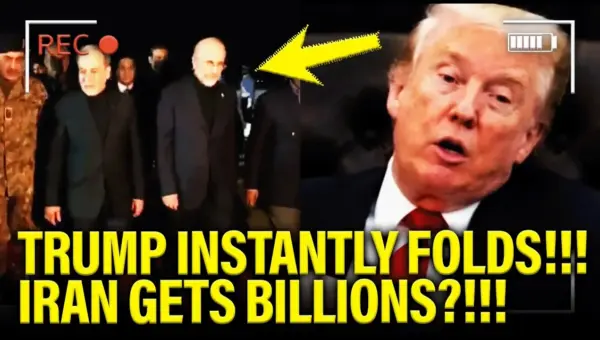
Iran Forces Trump’s Hand in Islamabad Talks
Reports suggest Iran secured key concessions, including a ceasefire in Lebanon and the release of billions in frozen assets, before negotiations with Donald Trump's representatives even began in Islamabad. This move challenges the administration's initial tough stance and raises questions about the balance of power.
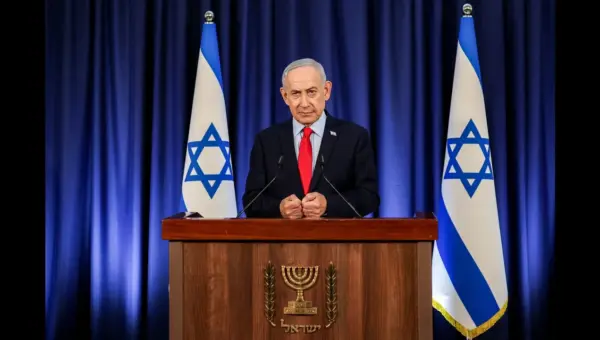
Netanyahu Eyes Lebanon Talks Amid Escalating Border Conflict
Israeli Prime Minister Benjamin Netanyahu has approved direct talks with Lebanon amid escalating border clashes. The negotiations aim to disarm Hezbollah and establish peaceful relations, but international concerns linger over recent Israeli airstrikes.

Scandals, Peace Talks, and Economic Woes Shake Nation
California's gubernatorial race is in crisis amidst sexual assault allegations, while US-Iran peace talks face early setbacks. Rising inflation and plunging consumer confidence signal economic challenges ahead. Meanwhile, legal threats against the Trumps and international election interference add to the unfolding drama.