Trump Threatens Media Over Ceasefire Report
Donald Trump has escalated his conflict with CNN, threatening investigations after the network reported on Iran's claims regarding a ceasefire agreement. This action raises serious concerns about press freedom and potential government overreach.

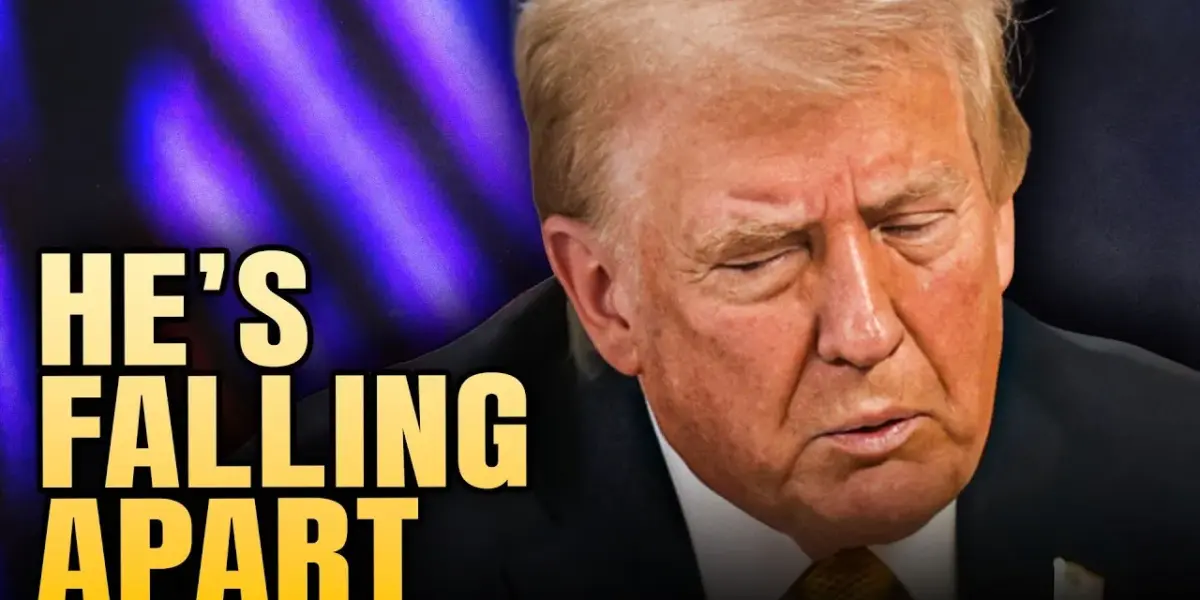
Trump Threatens Media Over Ceasefire Report
Donald Trump recently reacted strongly to news reports about a ceasefire agreement he was involved in. After the deal was announced, CNN reported on social media that Iran claimed victory and said the U.S. was forced to accept a 10-point plan. This reporting was based on what Iranian media had stated.
The White House quickly pushed back, calling the report from Iran a fraud and demanding it be corrected. However, CNN stated they were only reporting what Iranian media had said, not confirming it as fact. This distinction seemed lost on Donald Trump.
Trump’s Accusations and Demands
Trump then posted on Truth Social, calling the CNN report a fraud. He claimed the statement was linked to a fake news site from Nigeria and was wrongly presented by CNN. He suggested that authorities should investigate if a crime was committed by issuing this statement, implying CNN was responsible.
He further demanded that CNN immediately withdraw the statement and issue a full apology for what he called terrible reporting. Trump also promised that the results of an investigation would be announced soon. This suggests an intention to use government power to investigate news organizations for reporting something he disliked.
It is neither a criminal nor civil offense to mock Donald Trump or to hurt his feelings. CNN is allowed to do that. CNN also is allowed to pick up stories from the newswire, even international ones, and run those saying that this is what international news is reporting.
Concerns Over Media Freedom
The actions taken by Trump have raised serious concerns about government interference with the press. Some observers feel this level of pressure on media outlets is similar to actions seen in countries with less press freedom, like North Korea or Russia. The idea of investigating news organizations for reporting something that upsets a political figure is seen as a direct threat to the First Amendment of the U.S. Constitution, which protects freedom of the press.
Brendan Carr, the chair of the Federal Communications Commission (FCC), also weighed in. He called CNN’s reporting outrageous and said pushing a hoax headline during a sensitive national security moment requires accountability. He suggested it was time for change at CNN and that the network did not have the authority to put out such false headlines.
However, the role of the FCC chairman is generally limited to regulating broadcast communications, not dictating news content or punishing news organizations for their reporting. The U.S. Constitution grants broad protections to the press, and government officials typically cannot interfere with news coverage simply because they disagree with it or find it unflattering.
Historical Context and First Amendment
Historically, the relationship between politicians and the press has often been contentious. However, the U.S. has strong legal protections for journalists. The Supreme Court has consistently upheld the idea that the government cannot censor or punish the press for reporting on matters of public concern, even if the reporting is critical or perceived as damaging.
The First Amendment is designed to ensure that the public can receive information from a variety of sources without government interference. This allows journalists to act as a watchdog, holding powerful individuals and institutions accountable. Attempts by political leaders to control or punish reporting they dislike are often seen as an abuse of power.
The Ongoing Debate
Even after it was confirmed that CNN’s reporting was accurate and based on what Iran had stated, Trump continued to assert that the agreements and letters being sent out were from fraudsters. He reiterated that a federal investigation would expose them. He maintained that only a specific set of points were accepted by the U.S. for the ceasefire, and these were discussed privately.
The core issue remains: the government investigating a news outlet for reporting what another country’s media is saying, especially when that reporting is later proven true. This situation highlights a significant tension between the desire for accurate information and the potential for political figures to abuse their power to silence criticism or control the narrative. The future outlook suggests continued debate over the boundaries of press freedom and the role of government in regulating speech.
Why This Matters
This event matters because it touches upon fundamental rights in a democracy, specifically freedom of the press. When a leader threatens investigations or demands apologies from news organizations simply for reporting facts that are unflattering or critical, it can create a chilling effect. Journalists might become hesitant to report on controversial topics for fear of retaliation. This can weaken the public’s access to information and the media’s ability to hold power accountable. It also sets a dangerous precedent for how governments interact with the press, potentially eroding democratic norms.
Source: Failing Trump ERUPTS at CNN After Ceasefire Chaos (YouTube)

Related Articles

Trump’s Iran War Fuels Inflation, Strains Alliances
Donald Trump's recent military actions in Iran are being blamed for a significant rise in U.S. inflation and increased gas prices, impacting consumer confidence. The conflict has also strained relationships with key international allies, leading to diplomatic friction and questions about the future of alliances like NATO.
MAGA Elite Rebel: Trump Battles His Own Loyalists
Donald Trump is facing a revolt from his own MAGA elite, including figures like Tucker Carlson and Alex Jones. The conflict erupted after Trump's comments on potentially threatening Iranian civilians, which even his loyalists found unacceptable. This internal dissent, backed by data from his own social media, signals potential cracks in his base.
MAGA Allies Sound Alarm on Trump’s Mental State
Figures once loyal to Donald Trump, including Marjorie Taylor Greene and Alex Jones, are now publicly questioning his mental fitness and calling for his removal. This internal dissent signals deep cracks within the MAGA movement and raises questions about the future of the Republican party.