MAGA Elite Rebel: Trump Battles His Own Loyalists
Donald Trump is facing a revolt from his own MAGA elite, including figures like Tucker Carlson and Alex Jones. The conflict erupted after Trump's comments on potentially threatening Iranian civilians, which even his loyalists found unacceptable. This internal dissent, backed by data from his own social media, signals potential cracks in his base.

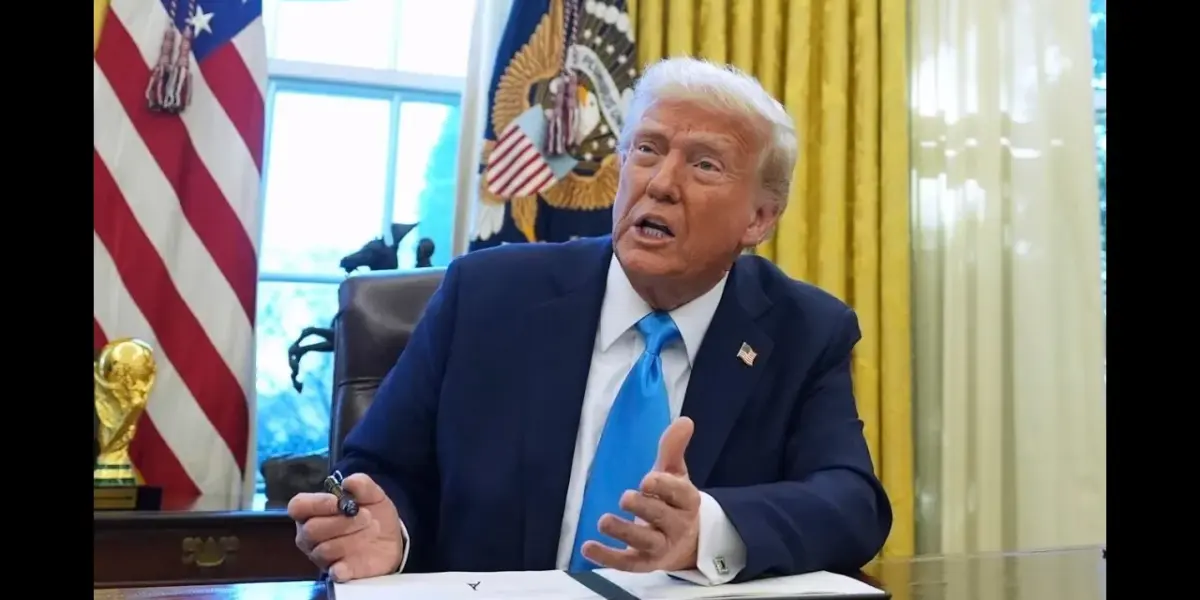
Trump Clashes With His Own Supporters
Donald Trump, the former president, is facing a new kind of challenge: a revolt from within his own loyal base. This isn’t about Democrats or the usual news media; it’s about the people who helped get him elected. These are figures like Tucker Carlson, Candace Owens, and Alex Jones, often called the MAGA elite. They’ve spoken out against Trump, and he’s responded with strong criticism, calling them ‘low IQ nut jobs’ and ‘losers’ trying to use the MAGA movement for fame.
A Line in the Sand: War Crimes and Civilians
The main issue that seems to have sparked this internal conflict was Trump’s suggestion of threatening to commit war crimes against innocent Iranian civilians. For many, including some of his staunchest supporters, this crossed a line. Even those who usually defend Trump found these comments to be unacceptable. This reaction from his own allies shows that even within his core group, there are limits to what they will support.
Echoes of Past Criticism
Trump’s insults against his former allies sound familiar. He has previously used similar language to describe political opponents, like Kamala Harris, calling her ‘grossly incompetent’ with a ‘very low IQ.’ This pattern of attacking critics, even those who have supported him, highlights a consistent behavior in his communication style. It raises questions about how he handles any form of disagreement.
“I honestly can’t imagine what these people hate more. getting put on blast by the president of the United States or getting grouped in with folks who think that Americans should have affordable health care.”
The ‘No Kings’ Movement and the Constitution
The transcript also mentions the ‘No Kings’ movement, a group that seems to be a part of this broader discontent. They are shown carrying a giant version of the Constitution, emphasizing their belief in its principles. This suggests that for some, their loyalty to certain ideals, like the Constitution, might be clashing with their support for Trump’s actions or statements.
When Supporters Speak Out
The reactions from figures like Alex Jones and Candace Owens show a significant break. Alex Jones, a long-time supporter, stated he no longer supports Trump, calling the new Trump a ‘rotting husk of the old Trump.’ Candace Owens also expressed sadness over what Trump has become. These are not minor criticisms; they represent a fundamental disagreement with the direction Trump is heading.
A Deeper Division: The Data Doesn’t Lie
This isn’t just a few isolated voices. Analysis of comments on Trump’s own social media platform, Truth Social, reveals a significant level of criticism. When Trump posted his controversial remarks about Iran, more than half of the comments responding were critical. Only a quarter were supportive. This data suggests that even on his own platform, designed to be a direct channel for his message, Trump is not getting majority support.
Why This Matters
This internal conflict within the MAGA movement is important because it shows the potential cracks in what once seemed like an unbreakable political force. When a leader alienates his most vocal supporters, it signals a potential loss of control over his own narrative and base. It suggests that even the most loyal followers can reach a breaking point, especially when fundamental values or extreme statements are involved. This could impact future political strategies and the overall strength of the movement.
Historical Context: The Nature of Political Movements
Political movements often face internal challenges as they evolve. Initially, a shared goal or leader can unite diverse groups. However, as the movement grows and faces new situations, differences in interpretation, strategy, or core beliefs can emerge. This is not unique to Trump’s movement; many historical political and social movements have experienced internal schisms. The key is how the leader and the movement respond to these internal pressures. Do they adapt, suppress dissent, or fracture?
Implications and Future Outlook
The future outlook for Trump’s movement could be shaped by how this internal dissent is managed. If Trump continues to alienate his core supporters, his base could shrink or become more fragmented. Conversely, if he manages to reconcile or if the dissenters are sidelined, the movement might consolidate. The fact that even figures like Candace Owens and Alex Jones are voicing strong opposition, and that data from his own platform shows criticism, indicates a potentially significant shift. It suggests that the MAGA movement is being tested, and its ability to remain cohesive will depend on how these internal disagreements are addressed. The idea that Trump demands ‘cult-like worship,’ as suggested in the transcript, points to a dynamic where disagreement is seen as betrayal, which can be unsustainable in the long run.
The Feeling of Betrayal
For many of these former supporters, there’s a sense of betrayal. They believed in Trump’s promises, such as not getting America into wars or putting America first. When his actions or statements seem to contradict these core beliefs, it leads to disillusionment. This feeling of being let down by the leader they championed is a powerful motivator for dissent, even among those who were once his most ardent defenders.
The situation described is complex, with personal attacks, political disagreements, and fundamental questions about leadership and loyalty. It reflects a moment where a significant political movement is grappling with internal tensions, potentially reshaping its future direction.
Source: Trump FINALLY gets the news he FEARED MOST | Another Day (YouTube)

Related Articles

MAGA Allies Sound Alarm on Trump’s Mental State
Figures once loyal to Donald Trump, including Marjorie Taylor Greene and Alex Jones, are now publicly questioning his mental fitness and calling for his removal. This internal dissent signals deep cracks within the MAGA movement and raises questions about the future of the Republican party.

NATO Allies ‘Exhausted’ by Trump’s Actions, Ex-Amb. Warns
Former U.S. Ambassador to Russia Michael McFaul states that NATO allies are "exhausted" by Donald Trump's unpredictable rhetoric and actions. European leaders, including those from Britain and France, are expressing frustration with Trump's inconsistent commitment to the alliance, fearing it weakens collective security.

Vance Navigates Iran Crisis Amidst Trump’s Conflicting Statements
A US delegation is in Pakistan for critical talks with Iran aimed at reopening the Strait of Hormuz, a key global oil route. The mission comes as rising gas prices and inflation strain the US economy. Former President Trump's conflicting statements and J.D. Vance's described role add complexity to the high-stakes negotiations.