NASA Eyes Moon Return, Inspired by Sci-Fi Dreams
NASA officials are drawing inspiration from science fiction like 'Star Wars' to fuel the upcoming Artemis II mission. This mission aims to send astronauts around the Moon, pushing human exploration further than ever before. The effort seeks to inspire a new generation to pursue dreams in STEM fields.

NASA Eyes Moon Return, Inspired by Sci-Fi Dreams
NASA officials are looking back to the stars, drawing inspiration from science fiction to fuel the future of human space exploration. The upcoming Artemis II mission, which will send astronauts around the Moon, is being compared to iconic moments in popular culture. This comparison highlights a deep connection between childhood dreams and the ambitious goals of space agencies today.
From ‘Star Wars’ to the Moon
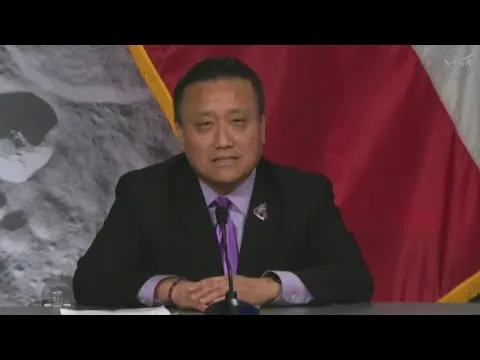
One NASA official shared a deeply personal connection to the space program. He recalled being taken to see the movie ‘Star Wars’ by his father. This experience, he said, was a profound moment that ignited his lifelong passion for space. He now sees the Artemis II mission, sending humans farther than ever before, as a realization of those childhood dreams. He expressed a wish that his father could be alive to see this moment. He hopes this mission will inspire a new generation of children to pursue their own passions and dreams, especially in space exploration.
Inspiring Future Explorers
The official urged young people to follow their passions, whatever they may be. He stated that his own passion for the space program and NASA led him to achieve his goals. He hopes that children who love human spaceflight and dreams of going to the stars will be inspired by these efforts. The Artemis II mission represents a significant step in returning humans to the lunar surface and beyond. It aims to capture the public’s imagination, much like science fiction has done for decades.
The Significance of Artemis II
The Artemis II mission is more than just a trip around the Moon. It is a crucial step in NASA’s broader plan to establish a long-term human presence on the Moon. This includes building a base on the lunar surface and using it as a stepping stone for future missions to Mars. The mission will test critical systems and technologies needed for deep space travel. It will also provide valuable experience for astronauts in a lunar environment. The crew will travel farther from Earth than any humans have gone before, pushing the boundaries of human exploration.
Connecting Past, Present, and Future
The comparison to ‘Star Wars’ is not just about nostalgia. It speaks to the power of storytelling and imagination in driving scientific and technological progress. Science fiction has often predicted or inspired future technologies. From the flip phone to virtual reality, many inventions have roots in imaginative works. NASA hopes that the excitement generated by Artemis II will encourage more young people to pursue careers in science, technology, engineering, and mathematics (STEM). This is vital for maintaining America’s leadership in space exploration.
Global Impact
While the transcript focuses on NASA’s perspective, the push for lunar exploration has global implications. Many countries are developing their own space programs and lunar ambitions. International cooperation is becoming increasingly important for large-scale space missions. The Artemis Accords, a set of principles for space exploration, aim to guide this cooperation. However, competition also exists as nations vie for leadership in space. The success of missions like Artemis II can influence global perceptions of technological capability and national prestige.
Why This Reshapes the World Order
The renewed focus on human spaceflight, particularly lunar missions, signifies a potential shift in global priorities. It signals a return to ambitious, long-term scientific endeavors. Such projects require significant investment and international collaboration. They also foster technological innovation that can have civilian applications. As nations invest in space, it can reshape economic power and influence. Control over resources or strategic locations in space could become important factors in future geopolitical dynamics. This era of space exploration may define the next stage of international relations and technological development.
Source: NASA official compares Artemis II with 'Star Wars' | Jesse Weber Live (YouTube)

Related Articles


Moon Mission Returns: A New Era for Space Exploration
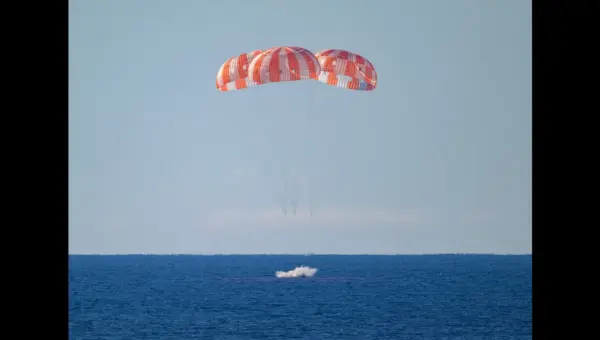
The Artemis II mission's successful splashdown marks a new era in space exploration, bringing astronauts home safely after a historic journey to the far side of the Moon. The mission tested crucial systems and pushed human boundaries, inspiring a new generation.

Artemis II Crew Conquers Space, Proves Tech for Moon Return
The Artemis II mission successfully returned to Earth after testing the Orion spacecraft in deep space. The crew set a record for the farthest humans from Earth and observed new sights on the moon. This mission is a critical step for future lunar landings and Mars missions.


Artemis II Astronauts Safely Return to Earth
The Artemis II crew safely returned to Earth, marking a historic milestone in lunar exploration. Meanwhile, inflation continues to rise amid Middle East tensions, impacting global markets. Developments also emerged in the Bahamas missing person case and a close call at LAX.