China’s Taiwan Gambit: Peace Talk Hides Military Threat
Taiwan's opposition leader's visit to Beijing is a performative act by China, according to retired US Colonel Grant Nam. While presented as peace talks, it coincides with increased Chinese military activity around Taiwan. This strategy aims to influence both Taiwanese and American politics, while China signals its readiness to use force.

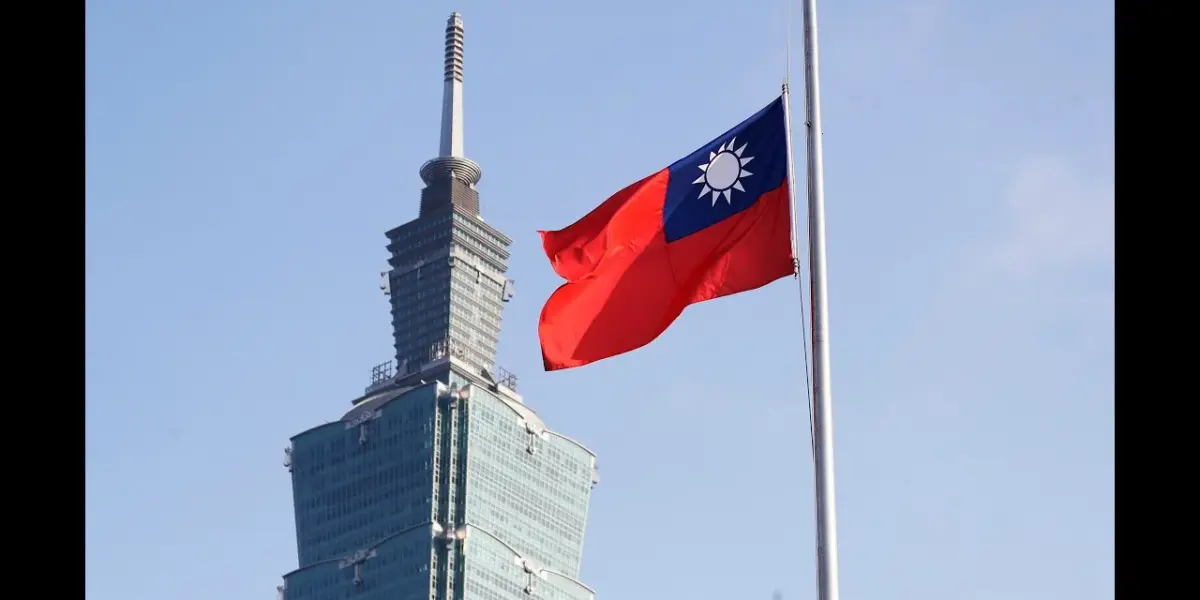
China’s Taiwan Gambit: Peace Talk Hides Military Threat
Taiwan’s opposition leader recently met with leaders in Beijing. This meeting was called a message of peace. However, at the same time, China has been sending a record number of warships and planes near Taiwan. Retired Marine Colonel Grant Nam believes this visit is not what it seems. He calls the meeting “all performative” from China’s point of view.
A Calculated Performance
Colonel Nam explains that China invited the head of Taiwan’s KMT party to meet with Xi Jinping. The goal is to influence Taiwan’s own politics. It’s also meant to send a message to Americans. But China is also making its military intentions clear. They have been increasing military activity around Taiwan for years, and it has gotten worse lately. This shows that while they might talk peace, they are ready to use force to take Taiwan if needed.
Military Pressure as a New Normal
This week alone, China sent nearly 100 naval and coast guard ships to the East and South China Seas. This is much higher than the usual 50 to 60 ships. Colonel Nam compares this to a frog slowly getting boiled. China is gradually increasing its actions to show it controls the South China Sea. This control is a step toward larger goals. They are slowly taking over territory, almost like absorbing something over time. Even though the US can sail through sometimes, China quickly reasserts its control when the ships leave.
US Frustration Over Taiwan’s Defense Funding
Meanwhile, a group of US lawmakers visited Taiwan to discuss a stalled defense package. This $40 billion increase in defense aid from Washington is important. The US sells many arms to Taiwan. Colonel Nam suggests that Americans might be getting tired of Taiwan’s internal political fights. He believes Taiwan needs to unite and do what’s necessary for its own defense. The US has been trying harder than ever to support Taiwan’s security in recent years. When Taiwan struggles to pass necessary defense budgets, it causes frustration in Washington. While Americans aren’t completely fed up yet, the delays are becoming annoying.
Trump-Xi Meeting and China’s Hopes
This visit by Taiwan’s opposition leader comes before a potential meeting between President Trump and Xi Jinping. China likely hopes that President Trump will come to the meeting looking for a trade deal. From China’s perspective, making a deal would be ideal. They might offer what look like concessions. This would imply that the US would do less to help Taiwan. China would want the US to be less vocal about Taiwan’s defense needs and its military pressure. They might also want the US to be quieter about China’s actions towards Japan.
Shifting Global Leverage
China’s economy relies heavily on exports and oil imports from the Middle East. This gives the US some potential leverage. The US has recently made Venezuelan oil less available on the market. Similar actions could be taken regarding Iranian oil. While China isn’t as dependent on foreign oil as some believe, it still needs it. Before, China had the advantage with rare earth minerals, which they could use to threaten the US economy. Now, the US has something to counter with.
Gulf Arab States and Energy Politics
Furthermore, Gulf Arab states like the UAE, Kuwait, and Saudi Arabia are unhappy with China’s support for Iran. They have been working against Iran’s military buildup. China has been buying Iranian oil and providing military supplies, which Iran uses to strengthen its defenses and stay in power. This includes fuel for ballistic missiles. The Gulf Arabs control a significant amount of global energy. If they align with the US, it gives America considerable influence over the oil supply that China needs.
Why This Matters
This situation highlights the complex geopolitical tensions surrounding Taiwan. China’s strategy appears to be a mix of diplomatic engagement and military intimidation. The visit by Taiwan’s opposition leader, while presented as peaceful, occurs alongside increased military pressure. This dual approach aims to influence both domestic Taiwanese politics and international perceptions, particularly from the United States. The US, in turn, faces the challenge of balancing its support for Taiwan with its own economic and strategic interests. The potential meeting between Trump and Xi Jinping adds another layer, with China hoping to leverage trade talks to ease US pressure regarding Taiwan. The global energy market and the stance of Middle Eastern oil producers also play a significant role, potentially giving the US new leverage against China’s energy needs.
Implications and Future Outlook
The ongoing military buildup around Taiwan suggests a long-term strategy by China to assert control. The gradual increase in pressure, as described by Colonel Nam, makes it harder for other nations to react decisively. For Taiwan, this means a constant need to bolster its defenses and navigate complex political relationships. For the US, it requires a consistent and firm policy towards China, while also managing domestic political pressures and ensuring Taiwan has the means to defend itself. The outcome of potential US-China summits, like the one involving President Trump, could significantly shape regional stability. The involvement of other regional players, such as Japan and the Gulf Arab states, further complicates the situation, creating a dynamic environment where alliances and economic interests are constantly shifting.
Historical Context
The issue of Taiwan’s status is a long-standing one, stemming from the Chinese Civil War. After the Nationalists (KMT) lost to the Communists (CCP) in 1949, the KMT retreated to Taiwan and established a separate government. The People’s Republic of China (PRC) on the mainland considers Taiwan a renegade province that must be unified with the mainland, by force if necessary. The United States acknowledges the PRC’s position but also maintains unofficial relations with Taiwan and provides it with defensive capabilities under the Taiwan Relations Act. This delicate balance has been maintained for decades, but recent actions by China have increased tensions significantly.
Source: Meeting Between Taiwan’s Opposition Leader and Beijing ‘All Performative’: Retired US Colonel (YouTube)

Related Articles

Taiwan Opposition Leader’s China Embrace Sparks Outrage
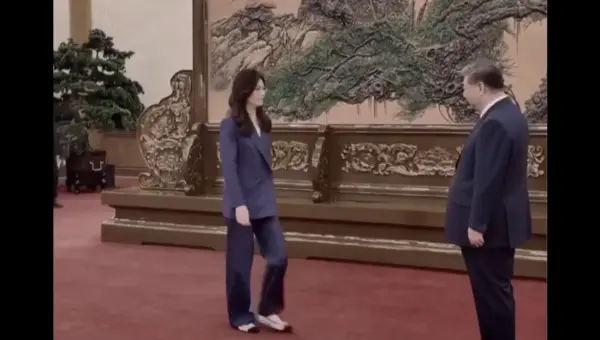
Taiwan's opposition leader Hung Hsiu-chu met with Chinese leader Xi Jinping, sparking outrage. Her embrace of Beijing's narrative on the 'one China' policy and the Taiwan Strait contrasts sharply with Taiwan's ruling party and mainstream public opinion. The meeting highlights the ongoing debate over Taiwan's sovereignty and its future relationship with mainland China.

Oil Price Shock Fuels Inflation; Fed Stays Put, Analyst Says
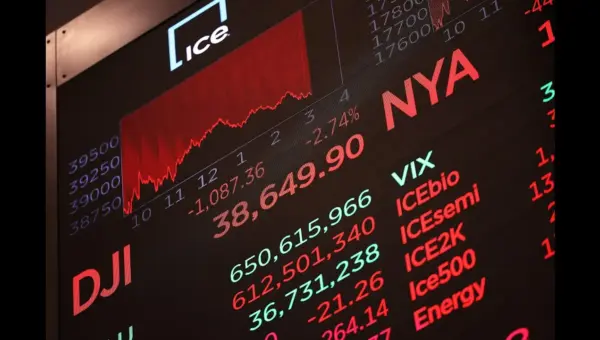
Soaring oil prices are the main driver behind March's inflation spike, not a sign of deeper issues, according to analyst Joseph Travisani. He believes the Federal Reserve will likely hold interest rates steady due to this temporary effect. However, regaining market confidence for oil prices to fall could take time, even if supply routes reopen.


Iran’s Regime: A Stubborn Threat to Global Order
Iran's current regime is compared to a persistent cancer, challenging the global order and unlikely to become a peaceful neighbor. While state media showcases support, half the population opposes the government and faces severe risks for dissent. This internal division and external challenge create a complex and uncertain future.