California Unmasks $260M Hospice Fraud, Exposing Systemic Flaws
California has busted a $267 million hospice fraud ring, exposing a complex scheme that billed for non-existent patients. This major bust highlights systemic oversight issues and the need for better state-federal cooperation in fighting healthcare fraud.

California Unmasks $260M Hospice Fraud, Exposing Systemic Flaws
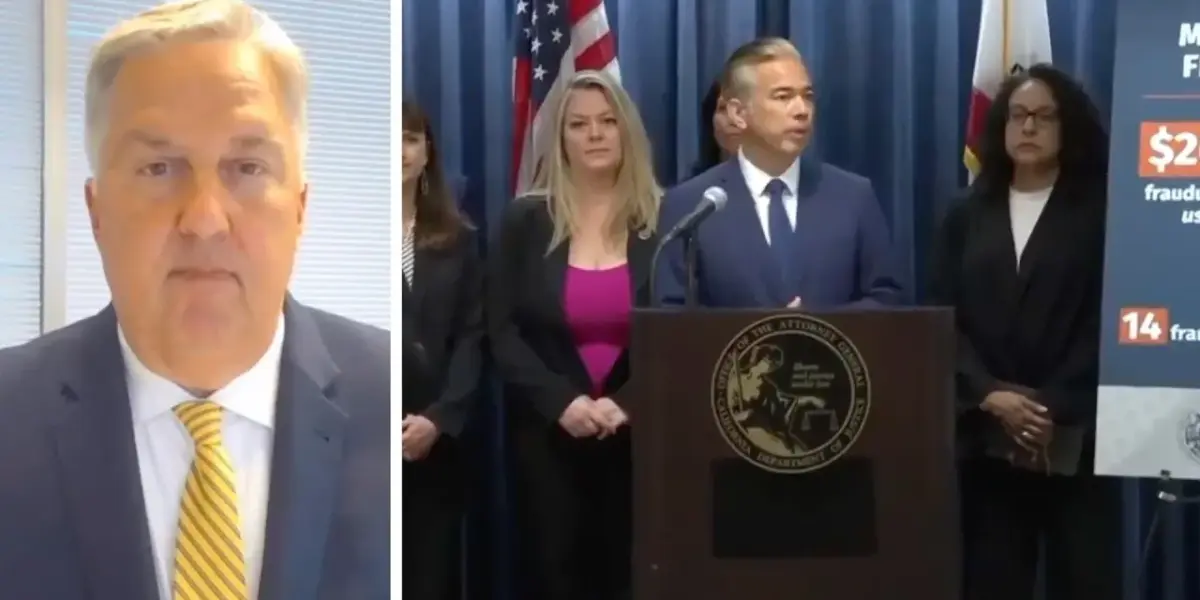
California has recently cracked down on a massive hospice fraud ring, leading to the charging of over 20 suspects and the identification of 14 involved companies. This significant bust, amounting to a staggering $267 million in stolen funds, comes amid a broader federal effort to combat healthcare fraud. The Department of Justice also announced separate fraud charges in California totaling $50 million, highlighting a widespread problem.
How the Fraud Worked
The scheme involved creating fake hospice patients who were, in reality, healthy, located out of state, and completely unaware of their supposed enrollment in hospice care. Once payments were received, the money was moved through a complex network of over 130 shell companies. These funds were then hidden across various bank accounts, payment apps, and cryptocurrency to avoid detection by authorities.
A Coordinated Effort Against Crime
This case highlights the critical need for collaboration between state and federal law enforcement agencies. Jim Trusty, a former assistant U.S. attorney, noted that such complex investigations require significant resources and often benefit from the combined efforts of federal and state investigators. The California Attorney General’s office, facing scrutiny over the amount of fraud occurring within the state, moved quickly to publicize this victory. They managed to recover about three-quarters of a million dollars and seize a couple of firearms, in addition to shutting down the operation and arresting 21 individuals.
Questions Remain About Oversight
Despite the success in dismantling this particular fraud ring, the case raises serious questions about how such widespread deception could occur. The fact that no actual patients received hospice care, and that the scheme was so brazen, leads to the logical question of why state regulators did not identify and stop it earlier. This situation is being compared to problems seen with learning centers in Minnesota, suggesting a pattern of oversight failures in various sectors.
Political Undertones Surface
The announcement of the bust was not without its political commentary. California Governor Gavin Newsom immediately pointed out that this was a state case, implying that former President Trump could not pardon anyone involved. This comment suggests a political dimension to the fight against fraud, with different administrations seeking to claim credit or deflect criticism. The Attorney General’s press conference appeared to be a form of victory lap, aiming to get ahead of the issue of fraud in California.
Broader Context of Healthcare Fraud
Healthcare fraud is a persistent and costly problem in the United States. Hospice care, in particular, can be vulnerable to abuse due to its complex billing structures and the sensitive nature of the services provided. Schemes often exploit the system by billing for services that were never rendered or by targeting vulnerable populations. The sheer scale of this California case underscores the financial drain that such fraud places on the healthcare system and taxpayers.
Why This Matters
This bust is significant because it exposes a sophisticated criminal operation that defrauded millions from a system meant to help the terminally ill. It highlights the need for stronger oversight and proactive measures within the hospice industry. Furthermore, it shows how organized criminals can exploit complex financial systems, including cryptocurrency, to hide illegal gains. The success of law enforcement in this instance is a win, but it also serves as a stark reminder of the ongoing challenges in policing white-collar crime.
Implications and Future Outlook
The long-term implications of this case include a potential increase in scrutiny of hospice providers in California and possibly nationwide. Law enforcement agencies may adopt new strategies to combat similar complex financial frauds, focusing on tracing illicit funds through digital channels. The case also emphasizes the ongoing need for improved communication and data sharing between state and federal agencies to prevent and prosecute fraud effectively. The future will likely see continued efforts to update investigative techniques and regulatory frameworks to keep pace with evolving criminal methods.
Historical Context
Attempts to combat healthcare fraud are not new. Federal agencies like the Department of Health and Human Services and the Department of Justice have long-standing programs dedicated to investigating and prosecuting healthcare fraud. Initiatives like the Medicare Fraud Strike Force have been instrumental in targeting large-scale schemes. However, the nature of fraud continues to evolve, often becoming more complex and international, requiring constant adaptation from law enforcement and regulatory bodies.
Tariff Challenges and Legal Battles
The discussion also touched upon unrelated legal challenges to former President Trump’s tariffs. A new case in New York targets tariffs enacted under Section 122 of the 1974 Federal Trade Act. This litigation adds to the chaos surrounding tariff policies, especially after a Supreme Court ruling questioned the basis for certain tariffs. The court is now tasked with determining the legality of Section 122 and addressing how individuals and businesses can be repaid for tariffs previously deemed illegal. The legal landscape is complex, with judges appointed under different administrations potentially influencing outcomes.
Balance of Power in Trade Policy
The legal arguments concerning tariffs often come down to the balance of power between Congress and the President. Congress holds the power to impose tariffs, but it has historically delegated certain authorities to the President to manage foreign trade and address national security concerns. The current legal battles are examining the extent of these delegations. Courts are expected to interpret these powers narrowly, ensuring that the President does not overstep constitutional boundaries. This ongoing legal debate underscores the intricate relationship between legislative authority and executive action in shaping U.S. trade policy.
Source: California Busts $260 Million Hospice Fraud Ring (YouTube)

Related Articles


California Loses $180 Billion to Fraud Under Newsom
California has reportedly lost $180 billion to fraud under Governor Newsom, with critics pointing to issues in hospice care and unemployment benefits. The state faces scrutiny over its economic policies, including high taxes and regulations, while other states report surpluses.
California Hospice Fraud Ring Stole $267M
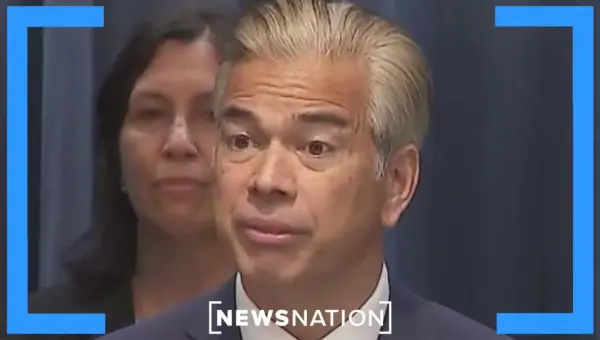
A massive $267 million Medicare fraud scheme has been uncovered in California, leading to the arrest of 21 individuals. Criminals allegedly used stolen identities from the dark web to purchase and operate 14 hospice companies, billing for services that were never provided. Authorities seized millions in cash and assets during recent raids.
Eviction Notice Turns Deadly: A Deputy’s Sacrifice
A sheriff's deputy was killed serving an eviction notice in California, highlighting law enforcement dangers. Meanwhile, a massive $267 million hospice fraud scheme involving stolen identities and shell companies was uncovered.