Oil Price Shock Fuels Inflation; Fed Stays Put, Analyst Says
Soaring oil prices are the main driver behind March's inflation spike, not a sign of deeper issues, according to analyst Joseph Travisani. He believes the Federal Reserve will likely hold interest rates steady due to this temporary effect. However, regaining market confidence for oil prices to fall could take time, even if supply routes reopen.

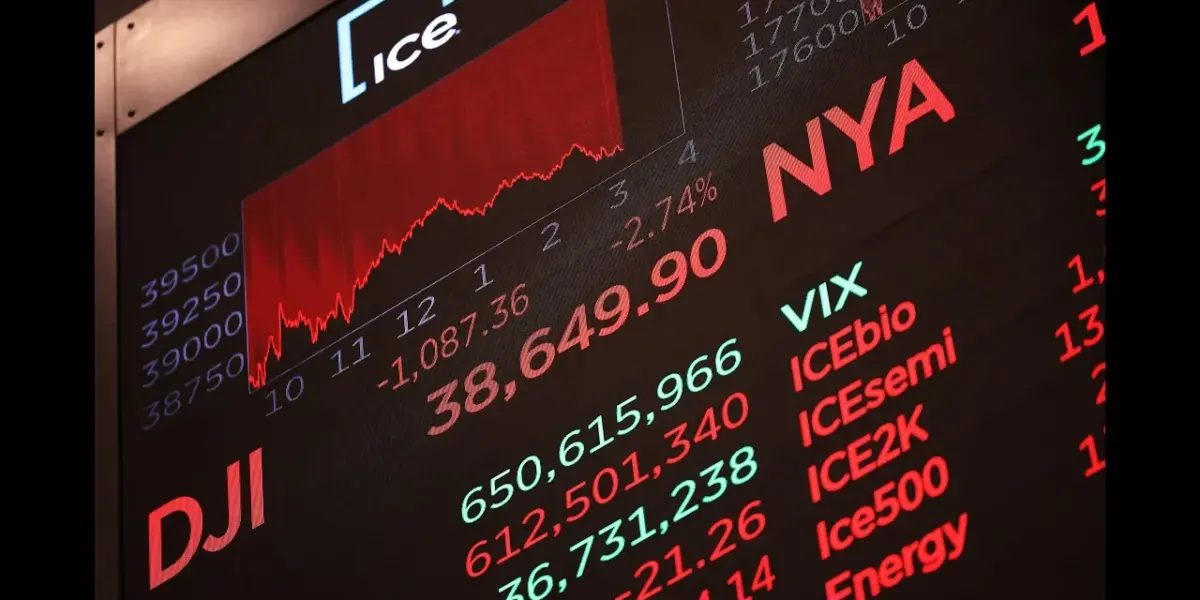
Global Oil Spikes Ignite Inflation Fears, But Fed Remains on Sidelines
March’s inflation report showed a worrying rise, hitting 3.3% annually. But according to economic analyst Joseph Travisani, this jump isn’t a sign of deeper, long-term price increases. Instead, he points to one major culprit: soaring oil prices. At one point, oil even crossed the $100 mark, directly causing the inflation numbers we saw last month. Travisani believes this is a temporary problem, not a permanent shift. He expects oil prices to fall back to their previous levels once the current global situation calves down.
Markets Await Stability, Fed Holds Steady
The Federal Reserve, Travisani explains, focuses more on ‘core inflation,’ which strips out volatile energy costs. Because of this, the Fed likely views the recent inflation bump as a temporary blip. Market indicators, like CME futures, show no expectation of interest rate hikes this year. In fact, some predict rate cuts. Fed Chairman Powell’s past statements also suggest the Fed isn’t seeing a reason to change its approach. The job market and the broader economy appear stable, not moving significantly in any direction. Therefore, Travisani concludes, the Fed is not planning any immediate actions.
“The price that’s been driven in the oil over $100 at one point about 96 today is almost entirely responsible for the inflation numbers that we’re seeing in March.”
The Path to Lower Oil Prices: A Matter of Confidence
For oil prices to return to normal, a key factor is regaining market confidence. Travisani suggests that an agreement between the United States and Iran could be an immediate trigger for lower prices. However, he warns that the situation is complex. Current ceasefires are fragile, and the demands of the involved parties are very far apart. This could mean higher oil prices stick around for a while. Markets haven’t fully priced in the possibility of a prolonged period of instability in the Gulf region.
Even if a key waterway, like the Strait of Hormuz, reopens, it won’t instantly fix the problem. Travisani estimates it could take two months or more for shipping traffic to return to normal levels. This gradual rebuilding of confidence is crucial for oil prices to drop back to figures like $70 or $60 a barrel. He highlights that wars rarely end as quickly or as cleanly as people hope when they begin.
Physical Supply, Not Just Fear, Drives Oil Costs
The current rise in oil prices is largely driven by real, physical supply disruptions, not just fear or speculation. About 20% of the world’s oil production and shipping goes through the Strait of Hormuz. When this supply is threatened, it acts like a 20% tax on oil prices. While fear played a role initially, the current situation is based on facts. If the threat were to major oil fields, like those in Saudi Arabia, prices would be much higher, reflecting a long-term risk of permanent damage. The current price reflects the immediate reality of reduced supply.
Beyond Energy: Oil’s Ripple Effect on the Economy
Oil is more than just a fuel for cars; it’s a fundamental building block for almost everything we use and consume. From the food we eat to the clothes we wear, energy costs are embedded in production. When energy prices stay high, these costs ripple through the entire economy. This prolonged period of expensive energy can also shape inflationary expectations. If there’s a lasting sense of distress in key oil-producing regions, oil prices could remain elevated for a significant time, leading to broader inflation beyond just the energy sector.
Demand Destruction Unlikely at Current Levels
Even with higher gas prices, Travisani doesn’t believe demand destruction is happening yet in the United States. Americans are accustomed to driving, and gas prices would need to rise considerably higher – perhaps to $5 or $6 a gallon – before people significantly cut back on driving or other spending. Current prices are not high enough to force this change, though it remains a potential outcome if energy costs continue to climb.
US Self-Sufficiency Doesn’t Shield from Global Prices
While the United States is largely self-sufficient in oil and gas, this doesn’t mean US gas prices are immune to global events. Travisani clarifies that oil prices are set on the world market. When 20% of global supply is impacted, it affects prices everywhere, including the US. The idea that the US operates in a separate market is incorrect; global supply and demand dictate prices for everyone.
Why This Matters
This analysis highlights how interconnected the global economy is. A conflict in a distant region can directly impact inflation in our daily lives, even if we don’t rely on that region for our own energy supply. It also shows that central banks like the Federal Reserve have to make tough decisions based on complex data, often waiting for clear trends before acting. For consumers, it means understanding that energy prices are subject to geopolitical events and that price stability takes time to rebuild, even after a crisis appears to de-escalate. The difference between a temporary inflation spike and a sustained rise depends heavily on global stability and market confidence.
Implications and Future Outlook
The outlook suggests a period of continued vigilance for inflation watchers. While the Fed may remain patient, the risk of prolonged higher energy costs impacting broader inflation is real. The situation in the Middle East remains a key variable. Any new flare-ups could quickly push oil prices higher again, potentially forcing the Fed’s hand later on. For consumers, budgeting for potentially higher energy costs may be prudent. The global reliance on oil means that geopolitical stability is directly tied to economic stability, a lesson that continues to be reinforced.
Historical Context
Throughout history, oil shocks have repeatedly demonstrated their power to disrupt economies and influence policy. The oil crises of the 1970s, for example, led to significant inflation and economic slowdowns worldwide. More recently, events like the invasion of Iraq and various OPEC decisions have shown how sensitive global oil markets are to supply disruptions and political tensions. The current situation, with its focus on the Strait of Hormuz and the broader Middle East, echoes these historical patterns, reminding us that energy security and price stability are often at the mercy of global events.
Source: Markets Will Take ‘Some Time’ to Regain Confidence to Bring Oil Prices Down: Analyst (YouTube)

Related Articles


Iran’s Regime: A Stubborn Threat to Global Order
Iran's current regime is compared to a persistent cancer, challenging the global order and unlikely to become a peaceful neighbor. While state media showcases support, half the population opposes the government and faces severe risks for dissent. This internal division and external challenge create a complex and uncertain future.


Artemis II Astronauts Safely Return to Earth
The Artemis II crew safely returned to Earth, marking a historic milestone in lunar exploration. Meanwhile, inflation continues to rise amid Middle East tensions, impacting global markets. Developments also emerged in the Bahamas missing person case and a close call at LAX.


US Reclaims Moon Lead with Artemis II Splashdown
The Artemis II mission's successful splashdown marks a significant return for the U.S. in the race for lunar dominance. Echoing Apollo's legacy, the mission showcases American engineering and renewed commitment to space exploration, setting the stage for future lunar endeavors.