Farmers Brace for Losses Amidst Global Conflict Costs
American farmers are facing significant financial pressure due to rising costs for fuel and fertilizer, exacerbated by global conflicts. This surge in operational expenses threatens the profitability of family farms and could lead to higher food prices for consumers. The trucking industry also reports substantial increases in fuel costs, signaling broader economic impacts.

Farmers Face Rising Costs, Economic Uncertainty
American farmers are confronting a challenging spring planting season, with many fearing a financially difficult fall harvest. The ongoing global conflict and its impact on supply chains are driving up costs for essential farming supplies, threatening the profitability of operations across the heartland. This uncertainty is felt deeply by those whose families have worked the land for generations.
Rod Bushmeer, a fourth-generation corn and soybean farmer in rural Illinois, shared his concerns. “I’m not a very political person, but everything affects our prices it seems like in one way or another,” he stated. Bushmeer noted that the costs for seeds, machinery, and fuel had already climbed 40% in the five years following the pandemic. Now, he faces another 30% increase in just the last year alone.
War’s Ripple Effect on Fertilizer and Fuel Prices
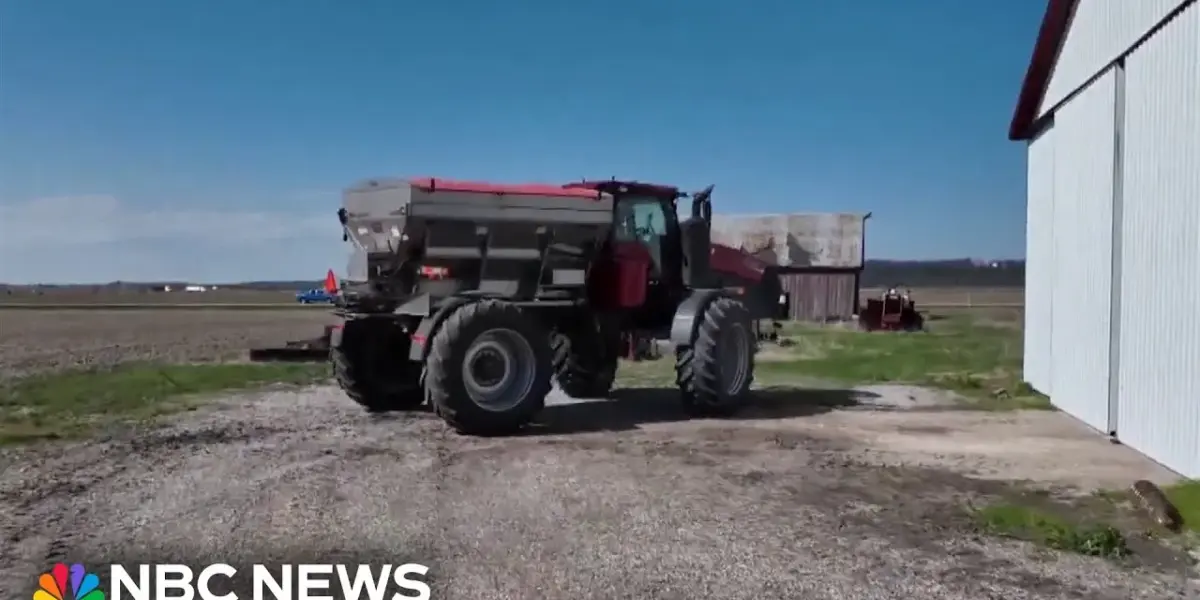
A significant factor contributing to these rising costs is the conflict involving Iran. The closure of the Strait of Hormuz, a crucial shipping route, has caused fertilizer and diesel fuel prices to soar. “This is the machine that spreads the fertilizer,” Bushmeer explained, pointing to his equipment. “In the last month since the US and Israel started bombing Iran and the crucial shipping artery that is the Strait of Hormuz all but closed, fertilizer and diesel fuel prices soaring.”
Farmers often purchase fertilizer incrementally. Bushmeer had only managed to secure 60% of his needed fertilizer before prices jumped significantly. He anticipates needing to buy the remaining amount in the coming months at these elevated prices. “That higher price has to hurt,” he acknowledged. Even with a ceasefire in place, fertilizer prices remain exceptionally high. His local dealer warns that even if the Strait of Hormuz reopens, market stabilization could take months.
“A lot of the damage is already done,” Bushmeer added. The fluctuating market prices for crops add another layer of stress. He also pointed to the impact of political actions on market stability. “You see President Trump post a tweet about meeting with a foreign leader and it it makes the market jump 50 cents could be up or down. So it’s just seems so emotional,” he said.
Trucking Industry Feels the Pinch
The rising costs are not confined to the farm; they extend throughout the supply chain. Pam Piaak, whose Wisconsin-based company manages a fleet of 30 trucks, is experiencing these effects firsthand. “The money’s coming from somewhere,” Piaak said. “Unfortunately, the shippers aren’t going to want to eat it and trucking companies can’t afford to absorb it. It’s just that simple.”
In the past month, Piaak’s company has seen its fuel costs increase by an additional $5,000 per week. This added expense highlights how disruptions in global events can quickly translate into higher operational costs for businesses vital to the nation’s economy.
Impact on Consumer Food Prices
The question on many consumers’ minds is how these farm-level and transportation cost increases will affect the price of food. While the latest inflation report for March showed food prices rose 2.7% over the last year, a rate lower than the post-pandemic surge, there is growing concern. Energy prices are up nearly 11% from last year, with gasoline costs rising even more sharply.
This suggests that consumers may eventually bear the brunt of these increased costs. The pain felt by farmers and truckers often ripples through the economy, eventually reaching grocery store shelves and restaurant menus.
Generational Farming at Risk
Back on the farm, Rod Bushmeer works alongside his son, Bryce, and hopes his granddaughter, Ree, will represent the sixth generation to manage the family operation. However, the financial pressures are mounting. The family farm lost money last year, partly due to tariffs that contributed to higher input costs. “You’re looking at this year potentially the same thing happening,” Rod stated grimly.
“Yeah. Yeah. You can only do that so many years,” he added, expressing the difficult reality of sustaining a family farm under such economic strain. The global uncertainty is directly impacting American soil, threatening the future of these long-standing agricultural businesses.
Looking Ahead: A Volatile Market
Reporter Maggie Vespa highlighted the farmers’ and truckers’ roles as early indicators of economic distress. “They’re the first ones to have to pay for higher prices. They can’t just hold on to those higher prices, right? That pain ripples through the economy,” she explained.
Even if immediate geopolitical tensions ease, like the reopening of the Strait of Hormuz, the path to market normalization is expected to be long. Both Bushmeer and his local fertilizer dealer believe it could take months for prices to return to pre-conflict levels. This outlook suggests that farmers and consumers alike should prepare for continued market volatility in the near future.
Source: Farmers face uncertainty over rising costs due to war with Iran (YouTube)

Related Articles


Trump’s Iran Policy Sparks Price Hikes, Oil Chokepoint
President Trump's policy towards Iran has resulted in a significant blockade of the Strait of Hormuz, driving up oil prices and contributing to a two-year high in inflation. As the U.S. prepares for new ceasefire talks, experts question the effectiveness of the administration's strategy and its impact on global stability and American consumers.


Scandals, Peace Talks, and Economic Woes Shake Nation
California's gubernatorial race is in crisis amidst sexual assault allegations, while US-Iran peace talks face early setbacks. Rising inflation and plunging consumer confidence signal economic challenges ahead. Meanwhile, legal threats against the Trumps and international election interference add to the unfolding drama.


Pallet Fires Threaten California Supply Chains
Massive pallet fires in Southern California are highlighting critical vulnerabilities in industrial supply chains. These blazes, fueled by unlimited material, pose significant risks to firefighters and disrupt the flow of goods. The incidents underscore the need for greater resilience in global logistics.