Trump Administration Targets Cuba, Local Races
Cuban President Miguel Diaz-Canel has defiantly responded to U.S. pressure, emphasizing national sovereignty in a rare interview. Meanwhile, the Trump administration's influence extends to local U.S. politics, with reports of intense pressure tactics used in Indiana primaries to unseat candidates who defied the White House.

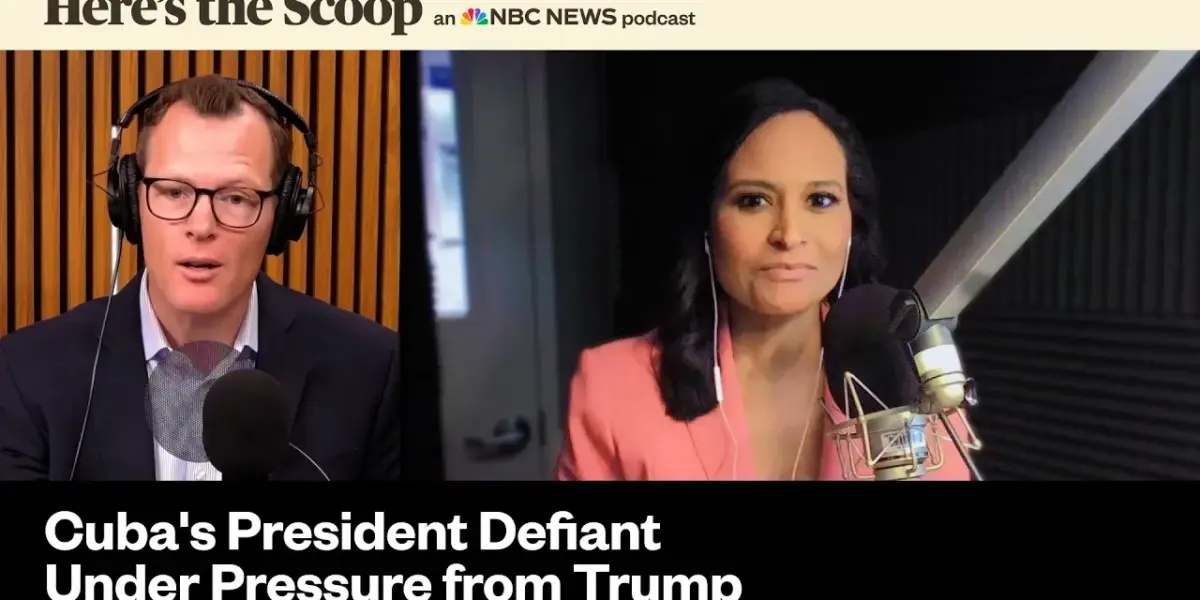
Cuban President Defies US Pressure in Rare Interview
Cuban President Miguel Diaz-Canel has issued a defiant response to mounting pressure from the Trump administration, stating that Cuba is not failing and is prepared to defend itself militarily. In a rare U.S. broadcast interview with NBC News’ Kristen Welker, Diaz-Canel expressed his willingness to give his life for Cuba, signaling a strong stance against U.S. demands for political change. This interview marks the first time a Cuban leader not named Castro has spoken directly to an American network, occurring amidst heightened tensions and U.S. sanctions, including an oil blockade.
Havana on Edge Amidst U.S. Threats
Diaz-Canel acknowledged that Cuba is bracing for potential U.S. military action. While recognizing the need for some changes within the country, the leader remained firm on the issue of sovereignty. When pressed by Welker about stepping down for the sake of Cuba, a question she noted she had not asked other world leaders, Diaz-Canel bristled. He emphasized that Cuban leadership is not elected by or accountable to the U.S. government, viewing such a question as a challenge to Cuba’s national independence. The interview highlighted the deep-seated resistance to external interference, particularly given decades of U.S. embargoes.
Deal-Making Prospects Remain Uncertain
Despite President Trump’s suggestions that a deal with Cuba could be easily made, Diaz-Canel indicated that any agreement depends on the right conditions. However, when pressed on specific U.S. demands, such as releasing political prisoners, holding multi-party elections, and establishing a free press, he quickly changed the subject. This suggests that while Cuba is open to dialogue, it is unwilling to concede on core principles of its governance system, making a swift resolution unlikely.
Trump Administration’s Influence in Local U.S. Politics
Beyond foreign policy, the Trump administration has also been actively involved in domestic U.S. elections, even at the state level. In Indiana, a local Republican candidate, Alexandra Wilson, a network engineer running on school renovation concerns, found herself targeted by White House officials. Despite being a pro-Trump conservative, her candidacy was seen as a threat to a Trump-endorsed candidate, Brenda Wilson, due to their shared last name. The concern was that Alexandra Wilson could confuse voters and split the vote, potentially allowing an incumbent Republican, Greg Good, to survive a primary challenge.
Pressure Tactics in Indiana Primary
Wilson shared exclusive voicemails and transcriptions revealing intense pressure from the White House. Officials, including the White House Political Director and Deputy Chief of Staff, contacted Wilson, initially suggesting she take a job within the administration or serve her community in other ways. When she declined, the tone reportedly shifted to more threatening tactics, referencing her past arrest and her husband’s DUI, warning her of dirty campaign tactics and the financial resources that would be used to defeat her. This intervention in a state-level primary, where the part-time salary is modest, has been described as a political dirty trick.
Backlash and Internal Republican Strife
The intense pressure campaign appears to have backfired, strengthening Wilson’s resolve to stay in the race. She stated that a weaker candidate might have folded, but she believes no one should dictate who appears on the ballot. The White House, however, defended its involvement, asserting that President Trump is intimately involved in races at all levels and is the decision-maker. This deep involvement in local primaries, particularly to punish Republicans who have not aligned with his agenda, has created internal strife within the party, with some questioning why resources are being spent on internal battles rather than securing the party’s House majority.
Broader Implications for Republican Party
The administration’s focus on retribution and enforcing loyalty, even in seemingly minor races, has led to significant spending on primary challenges. This strategy could potentially harm Republican prospects in upcoming midterms by creating divisive internal contests and diverting attention from broader electoral goals. The situation in Indiana highlights a broader pattern of the Trump administration exerting influence to ensure political loyalty, sometimes through aggressive and unconventional means.
Looking Ahead
As Cuba continues to navigate U.S. pressure and internal challenges, the world watches to see if diplomatic channels can be opened or if tensions will escalate. Simultaneously, the Republican Party faces internal divisions fueled by the administration’s focus on primary battles, raising questions about its unity and electoral strategy heading into future elections. The effectiveness and ethical implications of such high-level intervention in local politics will likely remain a topic of debate.
Source: President Trump’s Influence Campaigns from Havana to Indiana – April 10 | Here's the Scoop (YouTube)

Related Articles
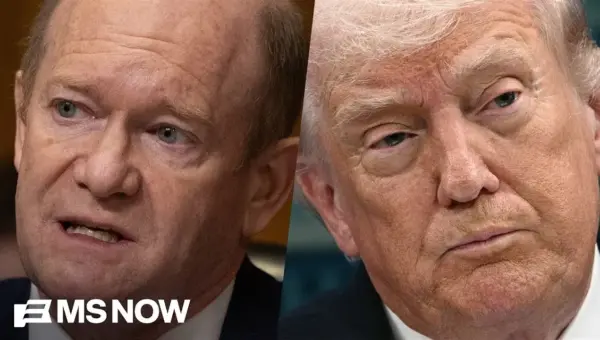
Senator Slams Trump’s ‘Failed Leadership’ on Iran War Strategy
Senator Chris Coons has criticized former President Donald Trump's handling of the Iran conflict, citing "failed leadership" and a lack of clear planning. The war has incurred significant costs, including American lives and rising economic burdens on families, without achieving its stated objectives. Coons expressed concern over the administration's approach, warning of a potentially difficult period ahead.


Trump Exploits Iran’s Factional Chaos for Deal
The Trump administration is reportedly exploiting deep divisions within the Iranian regime to gain leverage in ongoing peace talks. By fueling infighting among various factions, the US aims to secure a more favorable deal or weaken its adversaries through internal conflict. This strategy also extends to pressuring China economically by disrupting its access to discounted oil.
Trump Admits No Backup Plan for Strait Crisis
A recent admission revealed a lack of a backup plan for the critical Strait of Hormuz crisis. This mirrors past predictions that failed to materialize, raising concerns about preparedness in managing international volatility.