Hormuz Strait Blockade Will End Soon, US Predicts
White House advisor Kevin Hassett predicts the Strait of Hormuz will reopen within two months, easing global oil transport. He anticipates economic benefits and lower energy prices once the waterway is clear. Current data shows significantly reduced ship traffic.

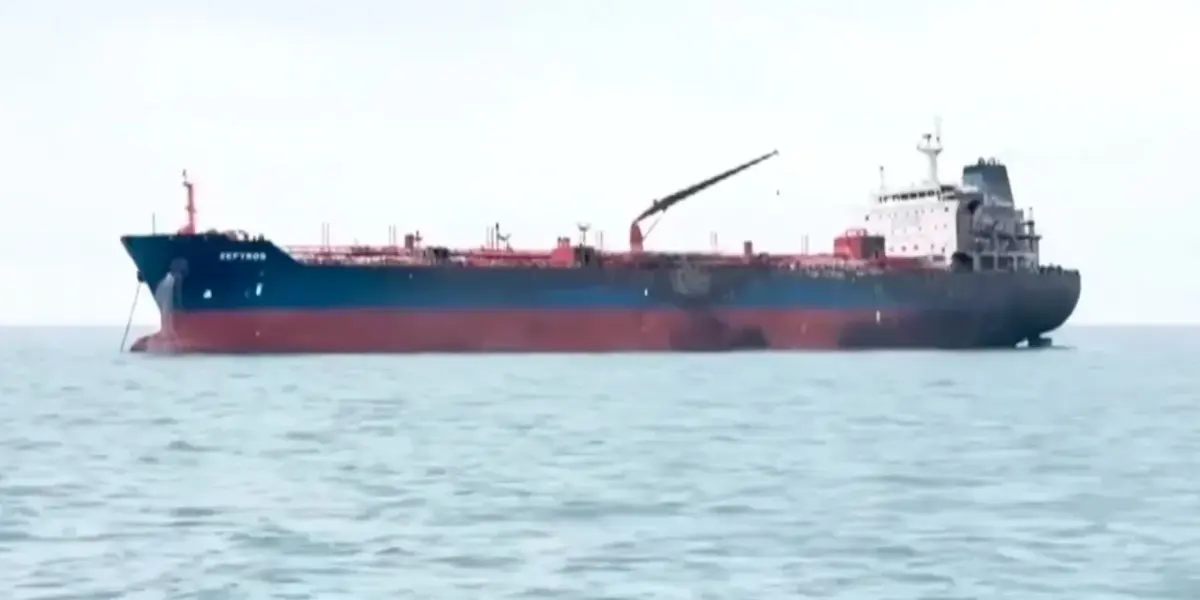
Hormuz Strait Blockade Will End Soon, US Predicts
The vital Strait of Hormuz, a narrow waterway crucial for global oil transport, could see normal traffic resume within two months. That’s the confident prediction from White House economic advisor Kevin Hassett. He believes the current disruption to oil flow will be resolved soon, bringing positive economic effects worldwide.
Hassett spoke on Fox Business, expressing strong optimism about reopening the strait. While he couldn’t share specific classified details, he assured that a top team is already in Pakistan. Their mission is to negotiate with Iran, aiming for a peaceful resolution. Hassett also mentioned that backup plans are in place if diplomacy doesn’t succeed.
Economic Benefits of an Open Strait
The economic advisor sees a brighter future for the entire Gulf region once the threat from Iran is removed. He anticipates increased investment and stronger economic growth in the area. Hassett explained that the removal of this threat would create a more stable environment for businesses. This stability is key for attracting the kind of investment needed for long-term prosperity.
Furthermore, Hassett expects energy prices to fall once the Strait of Hormuz is fully operational again. The disruption has already impacted global oil markets. He noted that currently, only about 10% of the usual ship traffic is passing through the waterway. This severely limited flow is a major reason for current energy price levels.
Current Situation in the Strait
Ship tracking data confirms the minimal traffic in the Strait of Hormuz. Between Wednesday and Thursday morning, only seven ships managed to pass through. This is a tiny fraction compared to the normal flow of around 140 ships per day. This stark difference highlights the significant impact of the current situation on global trade and energy supply chains.
Historical Context: A Vital Chokepoint
The Strait of Hormuz has long been a critical chokepoint in global energy security. It connects the Persian Gulf to the open ocean. Roughly one-fifth of the world’s total oil consumption passes through this narrow passage daily. Any disruption here can quickly send shockwaves through global markets, affecting everything from gasoline prices at the pump to the cost of goods transported by sea.
Throughout history, the strait has been a focal point of geopolitical tensions. Its strategic importance means that any military or political instability in the region can directly threaten the flow of oil. Past incidents have shown how quickly tensions can escalate, impacting shipping and leading to price spikes. The current situation is another chapter in this ongoing story of the strait’s critical role.
Why This Matters
The reopening of the Strait of Hormuz is not just an economic issue; it’s a matter of global stability. Hassett’s prediction suggests a potential de-escalation of tensions in a critical region. If successful, this could lead to lower energy costs for consumers and businesses worldwide. It would also reduce uncertainty for global trade, allowing for more predictable economic activity.
The ability to navigate the strait freely is essential for many countries that rely on oil imports. A prolonged closure or continued disruption could lead to energy shortages and economic slowdowns. Therefore, the diplomatic efforts mentioned by Hassett are crucial. Their success could prevent wider economic hardship and maintain a steady flow of essential resources.
Implications, Trends, and Future Outlook
If Hassett’s prediction holds true, we could see a swift return to normalcy in oil markets. This would likely stabilize energy prices and boost consumer and business confidence. The trend towards more stable energy supplies would be reinforced, potentially encouraging further investment in the Gulf region as stability returns.
However, the situation remains fluid. The success of negotiations with Iran is key. If diplomatic efforts fail, backup plans would need to be implemented, the nature of which remains unclear. The long-term outlook depends heavily on sustained regional stability and de-escalation of political tensions. The world will be watching closely to see if the Strait of Hormuz can indeed return to its vital role without further incident.
Source: Hormuz Strait Can Be Opened Within 2 Months: White House Economic Advisor (YouTube)

Related Articles

Ukraine Shoots Iranian Drones in Middle East: A Bold New Strategy
Ukrainian forces are now shooting down Iranian drones in the Middle East as part of a security exchange. President Zelensky revealed this strategy, which aims to secure aid and resources for Ukraine's defense. The move highlights Ukraine's active role in global security.


Trump’s Iran Policy Sparks Price Hikes, Oil Chokepoint
President Trump's policy towards Iran has resulted in a significant blockade of the Strait of Hormuz, driving up oil prices and contributing to a two-year high in inflation. As the U.S. prepares for new ceasefire talks, experts question the effectiveness of the administration's strategy and its impact on global stability and American consumers.


Strait of Hormuz Tensions Rise: Allies Urged to Step Up
European allies are urged to increase their efforts in securing the Strait of Hormuz, a vital oil transit route. Concerns persist over Iran's nuclear program and regional activities, posing a threat to global stability.