Trump’s Iran Policy Sparks Price Hikes, Oil Chokepoint
President Trump's policy towards Iran has resulted in a significant blockade of the Strait of Hormuz, driving up oil prices and contributing to a two-year high in inflation. As the U.S. prepares for new ceasefire talks, experts question the effectiveness of the administration's strategy and its impact on global stability and American consumers.

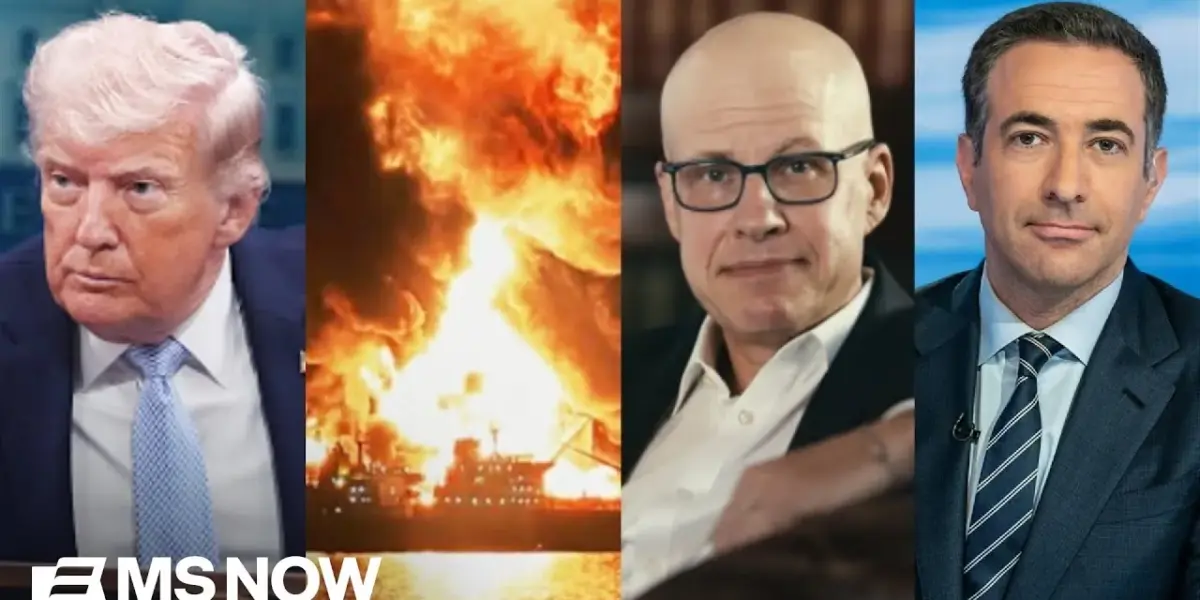
Trump’s Iran Stance Fuels Price Spikes, Oil Blockade
President Donald Trump’s handling of the conflict with Iran has led to soaring oil prices and a critical blockade of a vital shipping lane, according to war experts and economic data. The United States is now preparing for new ceasefire talks in Pakistan this weekend, with Vice President Vance leading the delegation.
Vance Leads Ceasefire Talks Amidst Mixed Signals
Vice President Vance is spearheading the U.S. delegation for crucial ceasefire talks. He has publicly expressed optimism about the negotiations, stating, “We’re looking forward to the negotiation. I think it’s going to be positive.” However, Vance also cautioned that if Iran does not negotiate in good faith, the U.S. team will not be receptive. These remarks follow weeks of leaks suggesting Vance’s opposition to the current conflict, raising questions about internal messaging within the administration.
Lack of Clear Objectives Blamed for War Woes
A significant criticism leveled against the Trump administration’s approach is the absence of clear war objectives. Experts argue that without defined goals, such as fully disarming Iran or stabilizing energy markets, the United States is in a difficult position. The current conflict has not achieved these potential aims, leaving the public and policymakers uncertain about the strategy’s direction.
Erratic Messaging and Escalation Concerns
President Trump has sent conflicting messages regarding the conflict. While publicly discussing a potential reset and winding down the war, his administration is also reportedly loading ships with advanced weaponry. Trump has stated that these weapons will be used if a deal is not reached, a stance described by some as erratic. This approach has fueled concerns about potential escalation, even as ceasefire talks are underway.
Strait of Hormuz Blockade Hits Global Oil Flow
A major consequence of the escalating tensions has been the effective closure of the Strait of Hormuz, a critical waterway for global oil transport. In normal times, up to 100 ships pass through daily. However, recent data shows a drastic reduction, with only a few vessels making it through. This blockade has severely impacted the oil market, contributing to higher prices for consumers.
Inflation Surges, Consumer Confidence Plummets
The spike in oil prices is directly linked to a significant rise in inflation, reaching a two-year high of 3.3% in March. This economic pressure is being felt by American consumers, whose confidence has fallen to its lowest point ever, even below levels seen during the COVID-19 pandemic. The administration’s promises to lower inflation appear to be undermined by the ongoing conflict and trade policies.
Iran’s International Standing Unchanged Despite Conflict
Despite the conflict, Iran’s standing as a pariah state among its Gulf neighbors remains unchanged. While the regime has reportedly suffered significant military and economic damage, its core policies and leadership have not been altered. Experts note that President Trump has not achieved stated war aims, such as eliminating Iran’s missile or nuclear programs.
Expert Concerns Over War’s Impact on U.S. Interests
Max Boot, a Senior Fellow for National Security Studies at the Council on Foreign Relations, expressed concerns about the war’s effectiveness. “We shouldn’t lose sight of the fact that it’s an evil, awful regime in Iran that slaughtered tens of thousands of its own protesters earlier this year,” Boot stated. However, he added, “But unfortunately, I don’t see them losing the war right now.” Boot highlighted that Iran’s missile and nuclear programs remain active, and the Strait of Hormuz has been closed, which he described as a “disaster for the global economy.” He criticized the President’s seemingly cavalier attitude towards the blockade, noting that the announced ceasefire was predicated on free passage through the strait, which has not materialized.
Looking Ahead: Will Diplomacy Prevail?
The upcoming ceasefire talks in Pakistan represent a critical juncture. The success of these negotiations will likely determine whether diplomatic solutions can de-escalate the conflict and alleviate the economic pressures on global markets and American consumers. The world will be watching to see if genuine progress can be made towards peace and stability in the region.
Source: HE BLEW IT! Hawk war expert on Trump CAVING to Iran, as prices spike and they GET OIL CHOKEHOLD (YouTube)

Related Articles


Strait of Hormuz Tensions Rise: Allies Urged to Step Up
European allies are urged to increase their efforts in securing the Strait of Hormuz, a vital oil transit route. Concerns persist over Iran's nuclear program and regional activities, posing a threat to global stability.


Trump Exploits Iran’s Factional Chaos for Deal
The Trump administration is reportedly exploiting deep divisions within the Iranian regime to gain leverage in ongoing peace talks. By fueling infighting among various factions, the US aims to secure a more favorable deal or weaken its adversaries through internal conflict. This strategy also extends to pressuring China economically by disrupting its access to discounted oil.
Iran’s Stark Choice: Surrender or Face Destruction
A senior analyst states Iran must choose between total surrender or annihilation. Khosro Isfahani highlights conflicting media reports and urges awareness amidst potential conflict. This stark choice has significant global implications.