Navy Readies for Artemis II, Securing Space Mission Success
The U.S. Navy is crucial for the Artemis II mission's success, preparing for the safe return of astronauts. Their expertise in maritime recovery, focusing on sea state and rigorous training, ensures a low-risk operation. This collaboration highlights the vital link between military logistics and civilian space exploration.

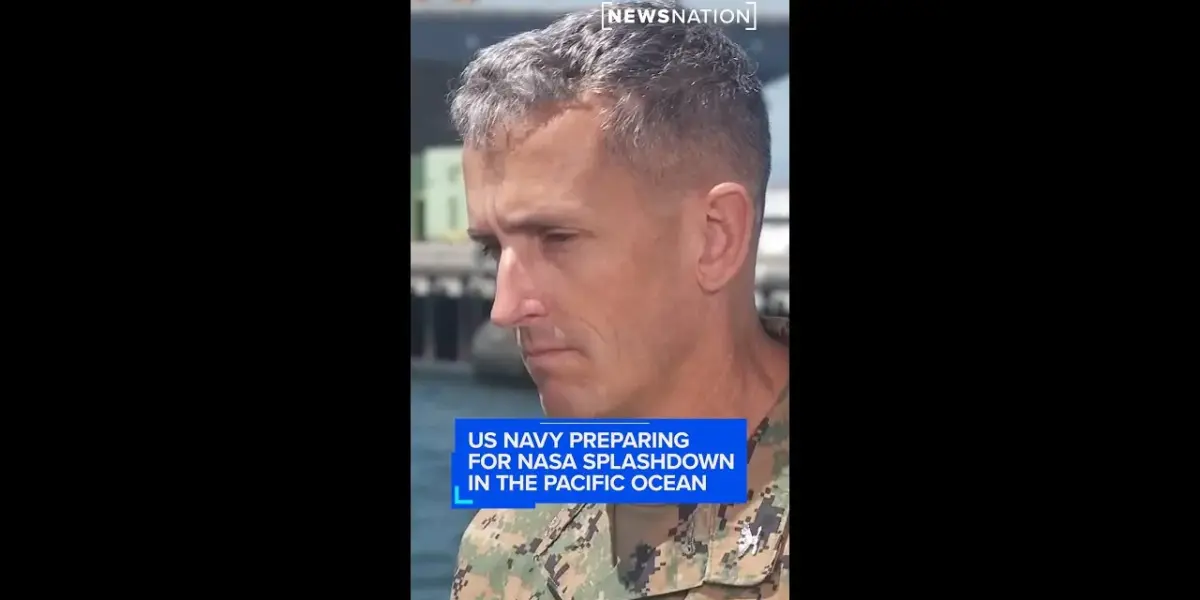
Navy Readies for Artemis II, Securing Space Mission Success
The U.S. Navy is playing a critical role in the upcoming Artemis II mission, preparing for the safe return of astronauts from lunar orbit. Their involvement highlights a crucial, often overlooked, aspect of space exploration: the complex logistical and safety measures required for recovery operations. This mission, a key step in NASA’s plan to return humans to the Moon, relies heavily on the Navy’s expertise in handling high-stakes maritime operations.
Weather and Sea State: Critical Factors for Recovery
The success of the Artemis II recovery hinges on precise environmental conditions. While current weather forecasts predict clear skies and sunshine, wind is a minor concern. The real challenge lies in the sea state, specifically the wave height and swell. These factors are more critical than wind for safely retrieving the capsule and its crew. The Navy must ensure minimal wave action to prevent complications during the delicate process of lifting the capsule onto a recovery ship.
Astronaut Training and Mission Focus
NASA’s astronaut selection process is known for its rigor. The astronauts assigned to Artemis II have undergone extensive, specialized training for this mission. Their dedication is paramount; this assignment effectively supersedes all other duties. They have been intensely focused on this mission, practicing the recovery sequence repeatedly to minimize risk. This repeated drilling ensures that the crew is highly proficient and ready for any scenario.
Integrated Recovery Sequence for Low Risk
The Navy’s recovery plan is designed to mirror NASA’s strict requirements, creating a tightly sequenced operation. The goal is to achieve a low-risk recovery, despite the inherent dangers of space travel. While the capsule itself and the journey through space represent the highest risks, the meticulous planning and execution of the recovery phase aim to mitigate these dangers. Every element works together to ensure a safe return for the astronauts.
Global Impact: Securing Future Space Ventures
The Navy’s involvement in Artemis II underscores a broader trend: the increasing reliance on established military and logistical capabilities for civilian space endeavors. This collaboration between NASA and the Department of Defense is essential for ambitious projects like lunar missions and potential Mars journeys. It demonstrates a strategic understanding that success in space requires more than just technological advancement; it demands robust, real-world operational support. The expertise honed in these recovery missions can be applied to future deep-space explorations, ensuring that astronauts can return safely from increasingly challenging environments.
Historical Context: A Legacy of Support
The U.S. military has a long history of supporting scientific and exploratory missions. From early aviation experiments to Cold War space programs, military assets and personnel have often provided the backbone for groundbreaking achievements. The Navy’s role in Project Mercury and the Gemini program, for instance, involved recovering capsules from the ocean. This current mission builds upon that legacy, adapting established maritime recovery techniques for the advanced technology and extended mission profiles of the Artemis program.
Economic Leverage and Resource Allocation
While not directly involving sanctions or trade figures, the Artemis II mission represents a significant investment of national resources. The allocation of highly trained Navy personnel and specialized equipment signifies a commitment to space exploration as a national priority. The success of such missions can also bolster the aerospace industry and related technological sectors, creating economic benefits. The efficient and safe execution of the recovery phase is crucial for maintaining public and political support for future, potentially more expensive, space ventures.
Regional Alliances and Shifting Power Balances
The Artemis program, while primarily a U.S. initiative, has international partners. The success of missions like Artemis II, bolstered by strong domestic capabilities like the Navy’s recovery support, strengthens the U.S. position in space governance and exploration. It serves as a demonstration of American technological and operational prowess, influencing global perceptions and potential future collaborations in space. While not directly creating new alliances, it reinforces existing partnerships and showcases the capabilities that make the U.S. a desirable partner in international space endeavors.
Future Scenarios and Likelihood
The successful recovery of Artemis II is highly likely given the extensive preparation and the Navy’s proven capabilities. This success would pave the way for subsequent Artemis missions, including crewed landings on the Moon. A failure, though improbable, could lead to delays and a reassessment of recovery protocols and funding for space exploration. The primary future scenario is continued progress towards lunar bases and eventual human missions to Mars, with the Navy’s role evolving to support even more complex and distant recovery operations.
Source: Inside the Navy retrieval plan for Artemis II (YouTube)

Related Articles


Trump Threatens Iran Strikes Amid Trade Court Showdown
Vice President JD Vance attends high-stakes talks with Iran, while former President Trump warns of renewed strikes if no deal is reached. Meanwhile, global tariffs face a legal challenge in trade court, and the Artemis II astronauts prepare for their return to Earth.


Artemis II Crew Nears Earth Splashdown After Lunar Flyby
The Artemis II crew is nearing Earth for a planned splashdown in the Pacific Ocean after a successful lunar flyby. This mission is a critical step for NASA's return-to-the-Moon program and future Mars exploration.


US Reclaims Moon Race Lead, Artemis II Completes Key Step
NASA's Artemis II mission successfully separated its Orion crew capsule from the service module before a critical atmospheric re-entry. This key step advances the US goal of returning astronauts to the Moon and establishing a long-term presence beyond Earth.