Netanyahu Eyes Lebanon Talks Amid Escalating Border Conflict
Israeli Prime Minister Benjamin Netanyahu has approved direct talks with Lebanon amid escalating border clashes. The negotiations aim to disarm Hezbollah and establish peaceful relations, but international concerns linger over recent Israeli airstrikes.

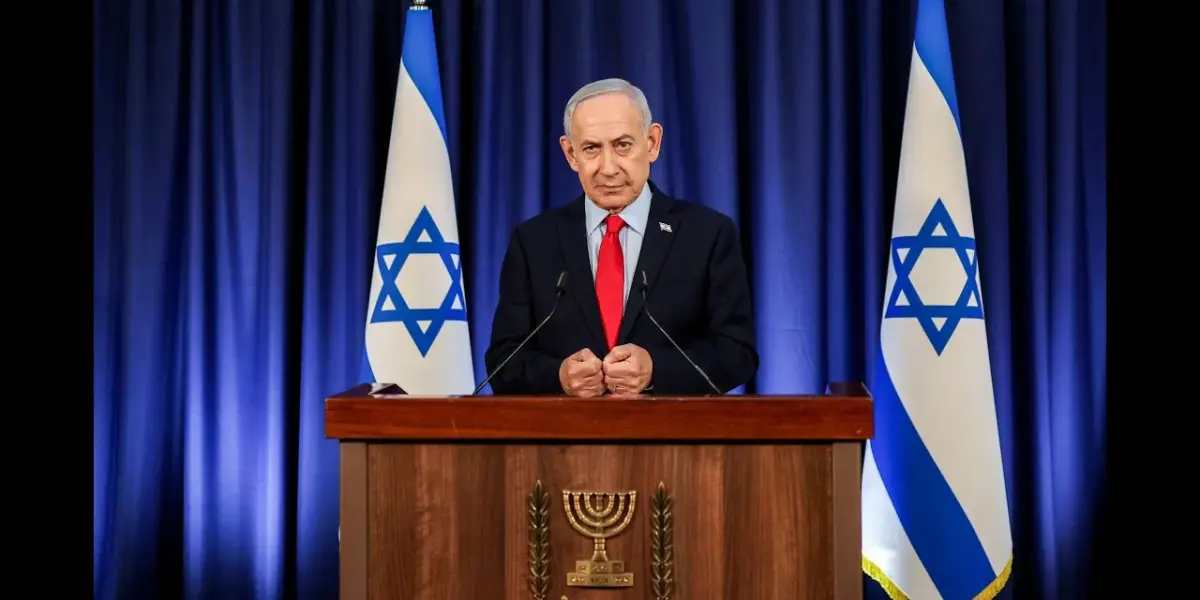
Netanyahu Approves Lebanon Talks Amid Border Clashes
Israeli Prime Minister Benjamin Netanyahu has given the green light for direct negotiations with Lebanon. This decision comes as tensions between the two nations are high, with recent Israeli military strikes targeting Hezbollah sites.
Context of the Conflict
The Israeli military recently announced it had bombed around 100 Hezbollah targets within Lebanon. This action occurred shortly before Netanyahu’s approval of talks, highlighting the volatile situation along the border. Hezbollah is a powerful group based in Lebanon that has been in conflict with Israel for many years.
Lebanon’s Call for Dialogue
According to Netanyahu, the Prime Minister of Lebanon initiated the call for negotiations. This suggests a potential opening for de-escalation, despite the ongoing military actions. The proposed talks aim to address key issues that have fueled the conflict.
Goals of the Negotiations
Netanyahu stated that the primary goals of these discussions would be the disarmament of Hezbollah and the establishment of peaceful relations between Israel and Lebanon. Hezbollah is backed by Iran, adding another layer of complexity to the regional dynamics.
International Concerns
Pakistan has voiced concerns about the recent Israeli airstrikes. The nation warned that these attacks could jeopardize fragile diplomatic efforts it is involved in. Pakistan is helping to broker talks between the United States and Iran, and they believe the escalation in Lebanon could hinder this broader diplomatic process.
Why This Matters
The potential for direct negotiations between Israel and Lebanon is significant. For decades, these two countries have been in a state of conflict, with no formal peace treaty. Hezbollah’s strong presence and its ongoing clashes with Israel have been a major source of instability in the region.
If successful, these talks could lead to a much-needed reduction in violence along the border. It could also pave the way for a more stable relationship between Israel and Lebanon, which would benefit the entire Middle East. However, the path to peace is fraught with challenges, especially given the deep-seated animosity and the involvement of regional powers like Iran.
Historical Background
The conflict between Israel and Lebanon is long-standing. Israel and Hezbollah have fought several wars, most notably in 2006. These conflicts have resulted in significant loss of life and widespread destruction. The presence of Hezbollah as a heavily armed political and military force within Lebanon has been a constant source of tension for Israel.
For years, the international community has tried to mediate between the two sides, often with limited success. The current situation, where Lebanon itself is calling for talks while Hezbollah is being targeted, presents a complex scenario. It raises questions about the internal political dynamics within Lebanon and Hezbollah’s influence.
Implications and Future Outlook
The approval of negotiations by Netanyahu is a positive step, but the outcome remains uncertain. The success of these talks will depend on many factors. These include the willingness of both sides to compromise, the extent of Iran’s influence over Hezbollah, and the broader geopolitical climate.
If diplomacy fails, the risk of further escalation remains high. This could lead to another major conflict, with devastating consequences for both countries and the region. On the other hand, if these negotiations bear fruit, they could mark a turning point towards greater stability and peace. This would be a significant achievement in a region often marked by conflict and tension.
The involvement of Pakistan in brokering talks between the US and Iran adds another dimension. It shows that international players are actively trying to manage regional conflicts. Their concern about the Lebanon situation suggests a recognition of how interconnected these conflicts are.
Ultimately, the move towards negotiations is a fragile hope. It offers a chance to break the cycle of violence, but the deep-rooted issues will require sustained effort and genuine commitment from all parties involved.
Source: Netanyahu Authorizes Negotiations With Lebanon (YouTube)

Related Articles

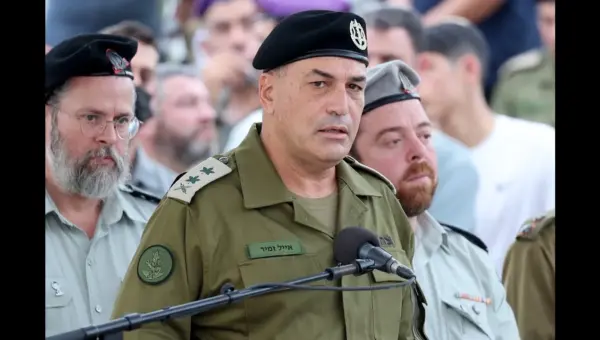
Israel Vows Fierce Lebanon Fight, No Ceasefire Yet
Israel's Chief of Staff has declared that the military is not observing a ceasefire in Lebanon and will continue fighting Hezbollah. The IDF reports significant Hezbollah losses, including hundreds of fighters killed and numerous rocket launchers dismantled. This ongoing conflict highlights regional tensions and poses risks of further escalation.
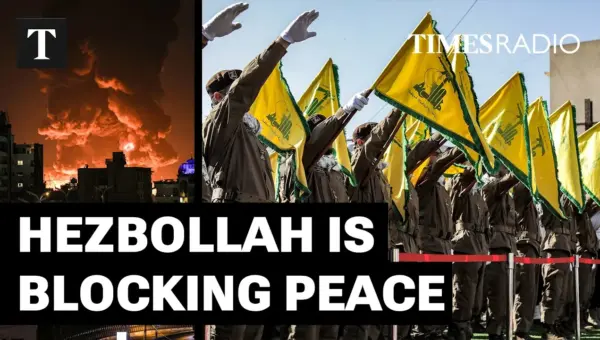
Israel Blames Hezbollah for Ceasefire Blockade
Israel identifies Hezbollah as the sole obstacle to a ceasefire amidst ongoing strikes in Lebanon that have claimed hundreds of lives. Diplomatic efforts are underway, with Lebanon seeking a truce for peace talks, while Israel vows to continue its operations against Hezbollah.

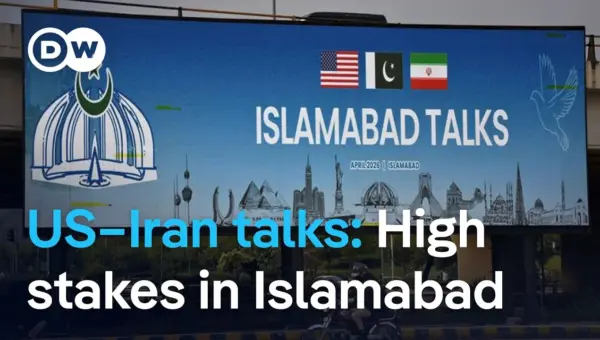
US-Iran Talks Falter Amid Hormuz Standoff, Ceasefire Strain
A fragile ceasefire between the US and Iran is under severe strain as tensions rise over the critical Strait of Hormuz. Both nations accuse each other of violating the terms of a recent deal, while international efforts to secure the vital shipping lane intensify. Crucial peace talks are underway in Pakistan, but deep-seated distrust and maximalist demands from both sides cast doubt on the likelihood of a comprehensive agreement.