DOJ Admits State Dept. Silenced Speech, Settles Lawsuit
The Justice Department settled a lawsuit alleging the Biden State Department worked to silence disfavored speech online. The DOJ admitted the State Department promoted censorship tools, leading to suppression of protected speech. This settlement highlights concerns about government influence over online content.

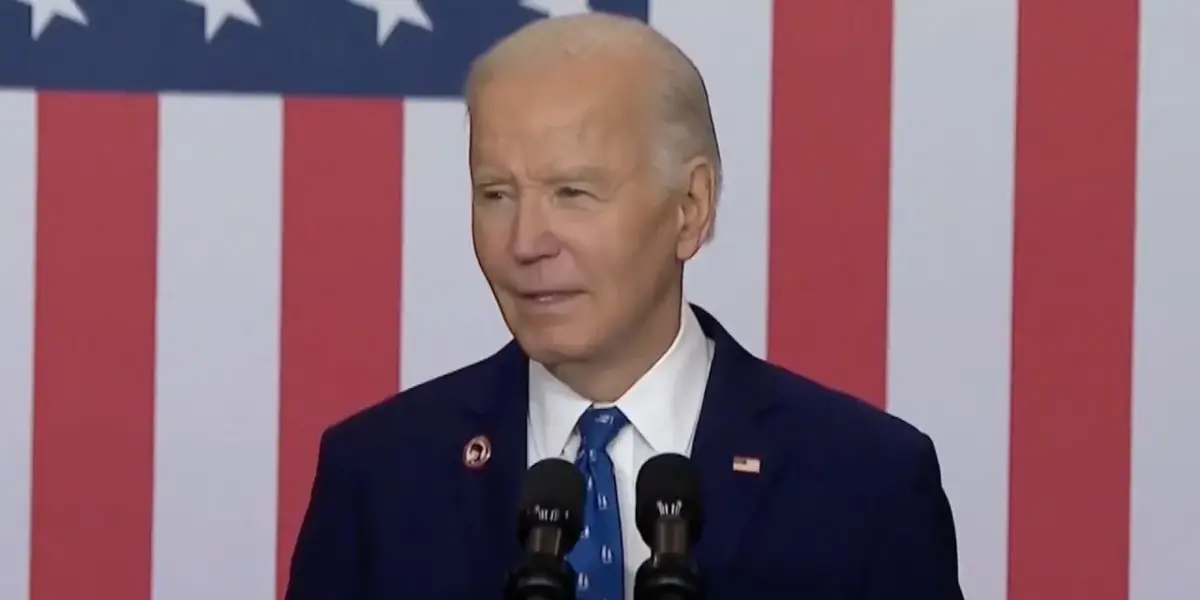
DOJ Admits State Dept. Silenced Speech, Settles Lawsuit
The U.S. Justice Department has settled a significant lawsuit. It claims the Biden administration’s State Department worked to silence certain voices online. This settlement brings an end to a legal battle over accusations of social media censorship. The Justice Department itself admitted that the State Department actively worked to shut down speech it didn’t like.
At the heart of the issue was the State Department’s “Global Engagement Center.” This center is accused of promoting censorship. The lawsuit argued that the administration supported private companies in creating technology designed to control online content. These tools were then allegedly used by social media platforms and other private groups. They reportedly used these tools to make certain posts less visible, remove their ability to earn money, and generally suppress protected speech on the internet.
Acting Attorney General Todd Blanche made a strong statement about the settlement. He said the “weaponization of the Biden administration against the American people who they disfavored is over.” This suggests a significant victory for those who brought the lawsuit. It also points to a serious admission by the government about its past actions.
Background and Context
Concerns about government influence over social media content are not new. For years, people have debated where the line is between government communication and government pressure. This lawsuit, however, focused on specific actions taken by the State Department. The Global Engagement Center was established to counter foreign propaganda and disinformation. But critics argued it went beyond that mission. They claimed it was used to target domestic speech, not just foreign threats.
The core of the legal argument was that the government, by funding and encouraging these censorship tools, was indirectly violating the First Amendment. The First Amendment protects freedom of speech in the United States. While the government can’t directly censor speech, the lawsuit alleged it found ways to encourage private companies to do it for them. This is sometimes referred to as a “jawboning” tactic, where a powerful entity uses its influence to persuade others to act in a certain way.
The Allegations
The lawsuit laid out specific claims about how the State Department operated. It alleged that the department actively promoted the development of censorship technologies. These technologies were designed to identify and flag certain types of content. Social media companies, which are private entities, were then encouraged to use these tools. The result, according to the suit, was that speech critical of the administration or on certain sensitive topics was systematically suppressed.
This suppression took several forms. Content could be “downgraded,” meaning it appeared lower in search results or feeds. It could be “demonetized,” preventing creators from earning advertising revenue. In some cases, speech might have been entirely removed or “suppressed.” The lawsuit contended that these actions were not neutral content moderation but targeted efforts to silence disfavored viewpoints.
The Settlement and Its Meaning
The settlement means the lawsuit is over. However, the Justice Department’s acknowledgment of the State Department’s actions is a key outcome. It suggests that the government recognized the validity of some of the claims made against it. The statement from Acting Attorney General Blanche is particularly striking. It frames the government’s alleged actions as a form of “weaponization” against its own citizens.
For civil liberties advocates, this settlement is a crucial moment. It highlights the potential for government agencies to overstep their bounds. It also reinforces the importance of protecting free speech, even when that speech is unpopular or critical of those in power. The case serves as a warning about the subtle ways government influence can impact online expression.
Why This Matters
This case is important because it touches on fundamental rights. Freedom of speech is a cornerstone of American democracy. When the government is accused of working to silence its citizens, even indirectly, it raises serious concerns. The settlement suggests that these concerns were not unfounded. It shows that government agencies may have used their resources and influence to shape online conversations in ways that limited free expression.
This raises questions about transparency and accountability. How can the public trust that government agencies are acting in the best interest of all citizens? How can we ensure that government initiatives, even those with good intentions like countering disinformation, do not become tools for censorship? This settlement provides a critical, albeit concerning, answer.
Implications and Future Outlook
The implications of this settlement are far-reaching. It could lead to increased scrutiny of government interactions with social media companies. Future administrations may be more cautious about similar programs. There’s also a potential for new guidelines or oversight to be put in place. These could aim to prevent government agencies from engaging in practices that resemble censorship.
The trend towards digital communication means that online speech is increasingly important. Protecting this speech is vital for a healthy democracy. This case serves as a reminder that vigilance is necessary. The way technology and government interact will continue to shape the future of free expression. Understanding these dynamics is key to safeguarding our rights in the digital age.
Source: DOJ Settles Free Speech Lawsuit With Biden State Department (YouTube)

Related Articles

Trump’s War, Melania’s Statement, and DOJ Concerns Emerge
Melania Trump's recent statement about never being accused or convicted of a crime has sparked debate, coming amid scrutiny of her immigration status and a new law requiring draft registration for young men. Meanwhile, John Kerry and Congressman Roana criticize Donald Trump's "war of choice" and its negative impacts, while questions arise about Melania Trump's past connections to Jeffrey Epstein and the Justice Department's independence.
DOJ Declares War on Fraudsters Stealing Billions
The Justice Department has launched its most aggressive anti-fraud crackdown in U.S. history, aiming to recover billions stolen by criminals. A new national division and 93 additional prosecutors will target increasingly sophisticated schemes, with early actions already recovering over half a billion dollars.


TikTok Fights Back: Can States Sue Over Algorithms?
TikTok is fighting a lawsuit in New York that claims its app harms users' mental health. The core legal question is whether the app's algorithm is a product or protected speech. This case could set important precedents for social media regulation.