Donors and Recipients Unite in Historic Liver Transplant Chain
Seven liver transplant recipients met their life-saving donors for the first time in a historic event coordinated by University Health in San Antonio. This landmark procedure involved a chain of 14 surgeries, connecting individuals through a remarkable act of altruism and medical collaboration.

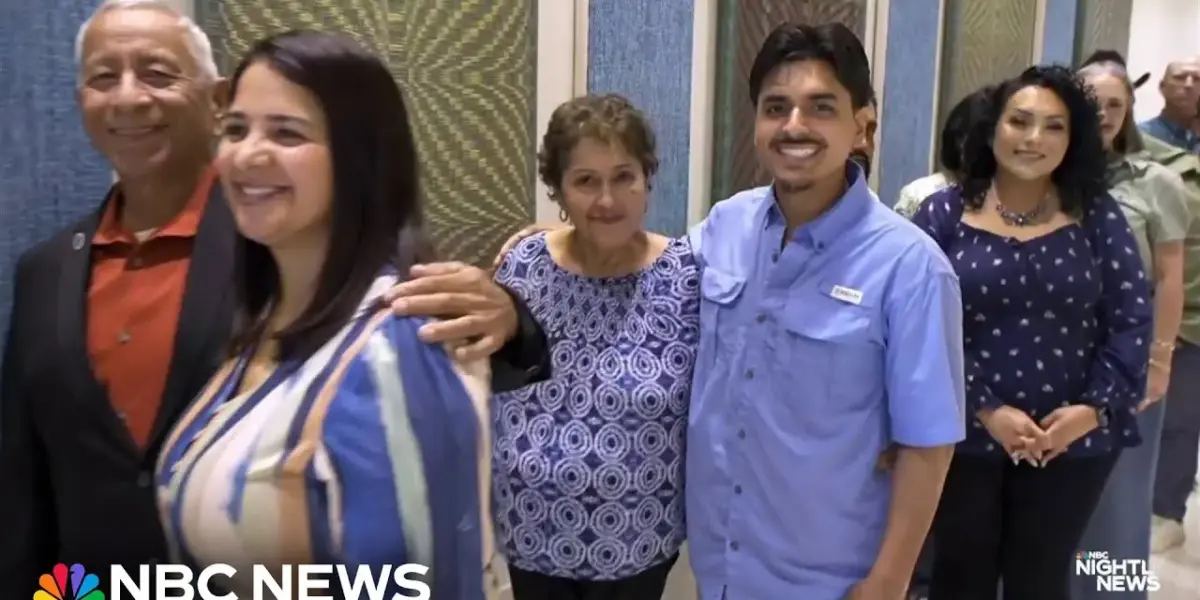
Historic Liver Transplant Chain Connects 7 Recipients and Donors
In a remarkable display of generosity and medical innovation, seven individuals who desperately needed new livers met face-to-face with the donors who saved their lives. This emotional reunion took place at University Health in San Antonio, which coordinated what is being called the largest liver transplant chain in the country. The groundbreaking process involved people willing to donate a liver to a loved one who wasn’t a match, by swapping with someone else who was.
A Chain of Life-Saving Gifts
The complex operation required 14 surgeries to complete. It all started with individuals like Robert McDonald, who signed up to be a donor after a friend faced a dire need for a transplant. “I was asked if you would like to remain eligible to be a donor to not somebody you know, but might be a stranger,” McDonald recalled.
Months later, the hospital called McDonald, informing him he was a match. He donated a portion of his liver to Jody Dietert, a 50-year-old man he met for the first time at this gathering. “More than thank you, but without you, I wouldn’t be standing here right now. You don’t know what that means,” Dietert expressed to McDonald, his voice thick with emotion. McDonald responded, “I know, I don’t. Even as real as it’s become it feels surreal.” This series of life-changing gifts connected strangers, offering many a precious second chance at life.
The Power of Altruism in Medical Breakthroughs
This historic transplant chain highlights the profound impact of living organ donation. Typically, organ donation relies on deceased donors. However, living donation, especially for organs like the liver where a person can survive with a portion, offers a vital alternative. This paired donation system, also known as a kidney or liver swap, allows individuals who want to donate to a specific loved one but are not a biological match to still help someone else in need.
The process works like this: If person A needs a liver and their friend, person B, is willing to donate but isn’t a match, they enter a donor-recipient pool. If person C needs a liver and their friend, person D, is also willing but not a match, and if person B is a match for person C, and person D is a match for person A, a swap can occur. This creates a chain, where multiple pairs benefit from each other’s altruism. University Health’s successful coordination of this large-scale chain demonstrates the potential for such programs to save more lives.
Faces of Hope and Gratitude
The meeting brought together seven recipients and their corresponding donors, creating a powerful scene of shared experience and profound gratitude. For the recipients, this was the culmination of a long and often frightening journey, marked by illness and the desperate hope for a transplant. Meeting the person who gave them the gift of a new organ was an overwhelming and deeply moving experience.
For the donors, the meeting offered a chance to see the direct impact of their selfless act. Knowing they played a crucial role in saving a life is a reward in itself. “It’s going to be something I look back on that I’m proud of. If I did nothing else,” one donor shared, reflecting the deep satisfaction and sense of purpose derived from this act of kindness. The event underscored the incredible human connection forged through organ transplantation, turning strangers into individuals bound by a shared miracle.
Looking Ahead: Expanding Transplant Possibilities
University Health’s success with this extensive liver transplant chain is likely to inspire similar initiatives across the country. The event serves as a powerful reminder of the ongoing need for organ donors, both living and deceased, and the incredible advancements in transplant medicine. As medical teams continue to refine paired donation protocols, more patients facing life-threatening organ failure may find hope through these complex, yet life-saving, chains of generosity.
Source: Organ donors and recipients come together for emotional meeting (YouTube)

Related Articles

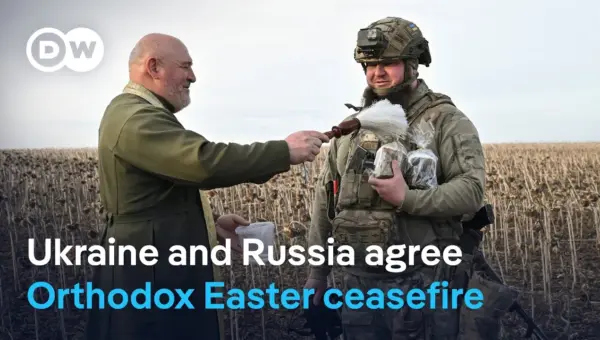
Ukraine Skeptical of Putin’s Easter Ceasefire Offer
Russia's President Vladimir Putin has proposed a 32-hour ceasefire for Orthodox Easter, but Ukraine remains deeply skeptical. Past truces have failed, with both sides accusing each other of violations. Residents and officials in Kyiv express little faith in the current offer, citing a history of broken promises and continued military escalation.

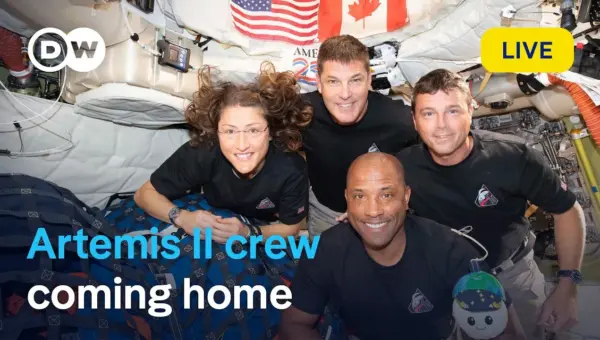
Artemis II Crew Nears Earth Splashdown After Lunar Flyby
The Artemis II crew is nearing Earth for a planned splashdown in the Pacific Ocean after a successful lunar flyby. This mission is a critical step for NASA's return-to-the-Moon program and future Mars exploration.

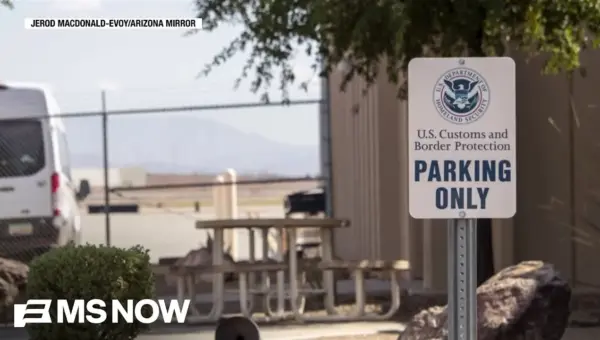
ICE Facility Moved Detainees Before Lawmaker Visit: Report
An ICE detention facility in Arizona is under fire for allegedly moving detainees before a scheduled lawmaker visit. Data and a surprise visit by officials revealed severe overcrowding, contradicting lower numbers presented during the initial notice period. This incident adds to a growing list of similar reports at other ICE facilities nationwide.