Japan Culls Crowds: Cherry Blossom Fest Falls Victim
Japan's iconic cherry blossom season has led to the cancellation of a festival near Mount Fuji due to overcrowding and tourist behavior. Local residents face daily disruptions, while vendors see economic benefits, highlighting a complex balance. The city is now implementing stricter measures to manage visitor flow and preserve the area's quality of life.

Japan’s Iconic Cherry Blossoms Strain Under Tourist Tide
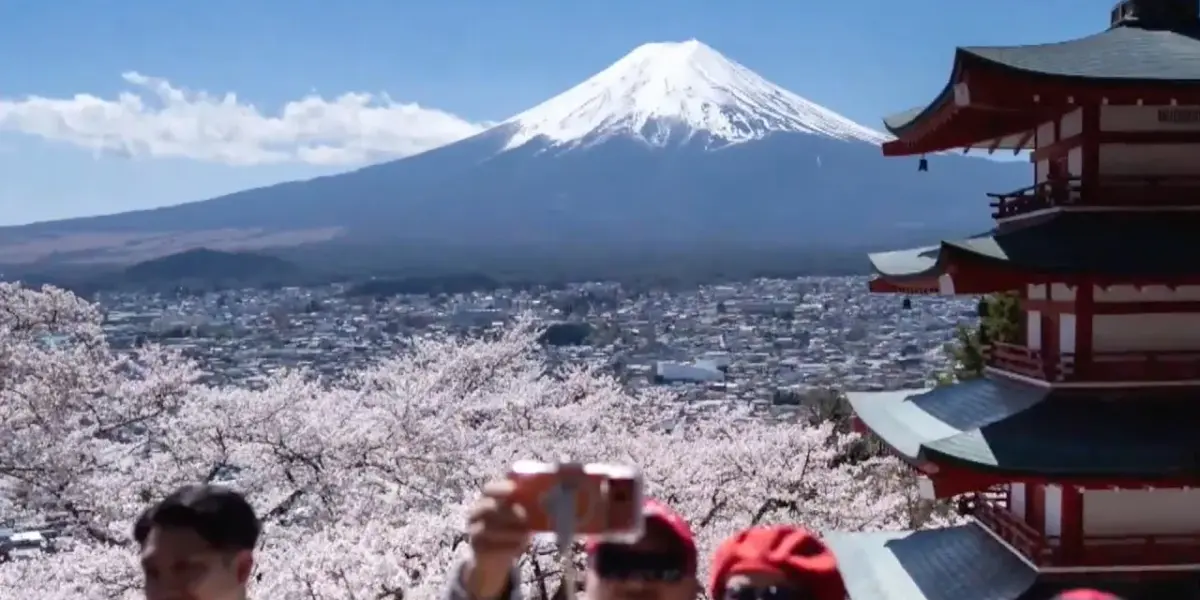
Japan’s famous cherry blossom season, a time of breathtaking beauty, has led to an unexpected casualty: the cancellation of a beloved festival near Mount Fuji. Officials in the city of Fuji Yoshida made the difficult decision to cancel this year’s annual cherry blossom festival. They cited overwhelming crowds and the disruptive behavior of some tourists as the primary reasons for this move. This action highlights a growing tension between the allure of Japan’s natural wonders and the challenges of managing mass tourism.
The Beauty and the Burden
The area around Mount Fuji, especially during cherry blossom season, draws visitors from around the globe. People flock to witness the stunning sight of delicate pink blossoms set against the majestic backdrop of the iconic mountain. One visitor described the experience as having a beautiful view the entire time, calling the cherry blossoms incredible and well worth the wait.
However, this influx of tourists comes with significant downsides for local residents. The surge in visitors often results in increased traffic, litter, and instances of bad behavior. For those living in areas like Fuji Yoshida, the dreamlike scenery can quickly turn into a daily struggle.
Voices of the Community
Local resident Hoshi Mory shared a mixed perspective on the situation. “You can’t go out with your car,” she explained, noting that daily errands become a major challenge. “So, I can do groceries only once a week and stock up on food. So, it’s both good and annoying.” This sentiment captures the complex reality faced by communities trying to balance economic benefits with their quality of life.
Not everyone views the situation as solely negative. Vendors like Kiyoka Faubo appreciate the renewed activity. She remembers when the streets were empty and shops were closed. “But now various new shops have opened,” she observed. “People are starting to get active again. So, I think it’s nice to see the area coming back to life.” This shows how tourism can revitalize local economies, bringing back vibrancy to areas that might otherwise struggle.
Seeking Balance: New Measures and Hope for the Future
In response to the overwhelming numbers, Fuji Yoshida has implemented stricter security measures. The city is now limiting entry for tour buses and other vehicles in the scenic neighborhood. Officials are urging visitors to be more mindful of local rules and customs. “The matter of following etiquette applies everywhere, not just here,” a representative stated. “There are rules specific to the area, so I hope people will cooperate, follow them properly, and enjoy themselves.”
Why This Matters
The cancellation of the Fuji Yoshida cherry blossom festival is more than just a local event; it’s a signal of a broader issue facing popular tourist destinations worldwide. As travel becomes more accessible, natural and cultural landmarks often struggle to cope with the sheer volume of visitors. This situation forces communities to make difficult choices, sometimes sacrificing traditional events to protect their living environment and preserve the very attractions that draw people in the first place.
Historical Context and Trends
Japan has long cultivated an image of serene beauty and cultural respect. The cherry blossom, or ‘sakura,’ holds deep cultural significance, symbolizing the transient nature of life and beauty. For centuries, hanami (flower viewing) has been a cherished tradition. However, the rise of global tourism, particularly the boom in ‘overtourism’ seen in recent decades, has put unprecedented pressure on these traditions. Places like Venice, Barcelona, and Kyoto have all grappled with similar issues of too many visitors straining local resources and infrastructure.
The Outlook
The Fuji Yoshida case suggests a potential shift in how destinations manage tourism. Instead of solely focusing on attracting more visitors, there’s a growing emphasis on sustainable tourism and visitor management. This might involve strategies like timed entry, increased local enforcement of rules, and better education for tourists on cultural etiquette. The hope is to find a middle ground where the economic benefits of tourism can coexist with the preservation of local culture and the environment, ensuring that future generations can also appreciate these wonders.
Source: Japanese City Cancels Cherry Blossom Festival (YouTube)

Related Articles

NYC’s Cherry Blossoms Signal Spring’s Joyful Return
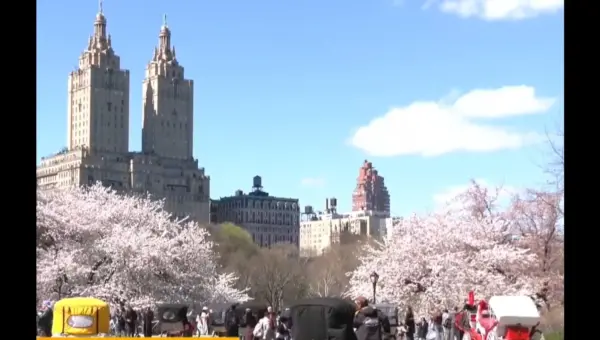
New York City's cherry blossoms are back, drawing crowds to Central Park and other green spaces. These trees, a symbol of friendship with Japan, offer a vibrant, yet fleeting, reminder of spring's arrival and renewal.

Georgia Town Rivals DC in Cherry Blossom Glory
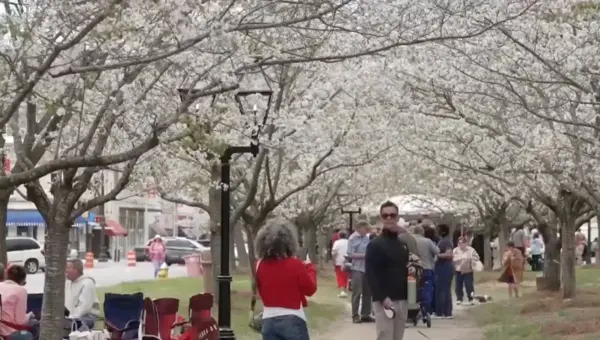
Macon, Georgia, claims the title of the world's cherry blossom capital, boasting over 350,000 trees. A local festival celebrates this natural beauty, with roots tracing back to a grandfather's gift of cuttings. The blooms are scientifically linked to mood-boosting brain chemicals.


DC Cherry Blossoms Peak: Kite Festival Takes Flight
Washington D.C.'s cherry blossoms have reached peak bloom, drawing crowds for the National Cherry Blossom Festival. The vibrant celebrations include the popular Blossom Kite Festival and a variety of cultural events. The festival culminates with a grand parade and a Japanese street festival.