Iran’s Stark Choice: Surrender or Face Destruction
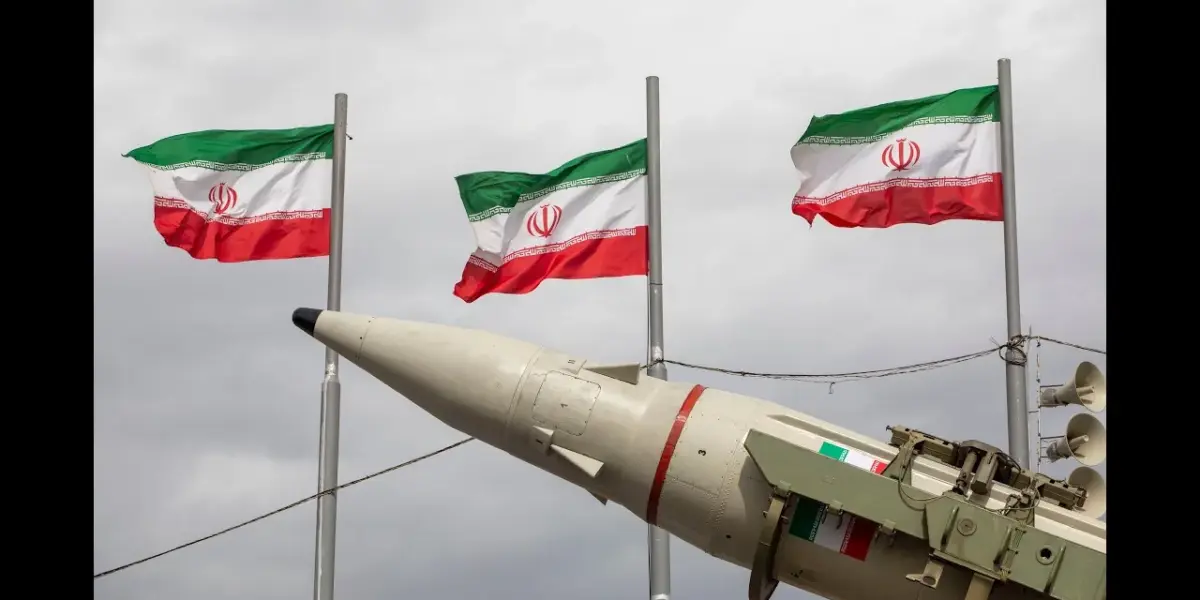
A senior analyst states Iran must choose between total surrender or annihilation. Khosro Isfahani highlights conflicting media reports and urges awareness amidst potential conflict. This stark choice has significant global implications.

Iran’s Stark Choice: Surrender or Face Destruction
A senior analyst suggests Iran faces a critical decision: total surrender or complete destruction. Khosro Isfahani, a research analyst and podcast co-host, recently shared his views on the situation between the United States and Iran. He highlighted how different media sources report conflicting stories about the ongoing events.
Conflicting Narratives in Wartime
Isfahani pointed out that media outlets in different countries often present very different accounts of the same events. This is especially true when discussing conflicts or tensions between nations like the U.S. and Iran. What one side reports as a victory, the other might describe as a minor incident or even a defeat.
This clash of information makes it hard for people to understand the real situation. It creates confusion and can influence public opinion in powerful ways. Isfahani believes it’s important for people to be aware of these differences when they consume news about the conflict.
Understanding the Ceasefire
The discussion touched upon the state of a ceasefire between the U.S. and Iran. A ceasefire is basically an agreement to stop fighting. However, Isfahani suggests that the reality on the ground might be more complex than a simple halt in hostilities.
He implies that even with a ceasefire, underlying tensions and potential for renewed conflict remain high. This means that while active fighting might pause, the situation is far from stable. It’s like a temporary break in a storm, where the calm doesn’t guarantee the storm is over.
What We Should Be Aware Of
Amidst the war, Isfahani urges people to be vigilant. He believes that understanding the propaganda and biased reporting is key. People need to question the information they receive and look for more objective sources if possible.
The analyst’s strong statement about Iran facing a choice between total surrender or annihilation suggests a belief in Iran’s current vulnerable position. This could stem from various factors, including internal political issues, economic pressures, or the military capabilities of opposing forces.
Historical Context
Understanding the relationship between the U.S. and Iran requires looking back. Tensions have been high for decades, particularly since the 1979 Iranian Revolution. This event led to a significant shift in the political landscape and created lasting mistrust between the two nations.
Over the years, there have been numerous incidents, sanctions, and diplomatic standoffs. These events have shaped the current dynamics and contribute to the analyst’s strong assessment of Iran’s situation today. The history of conflict and distrust creates a backdrop for the severe choices Isfahani believes Iran now faces.
Why This Matters
This kind of analysis matters because it affects global stability. The relationship between major powers, or even potential adversaries like the U.S. and Iran, has ripple effects worldwide. Decisions made in this context can impact international relations, economies, and even the safety of people in various regions.
For the people of Iran, the stakes are incredibly high. The analyst’s stark warning suggests that the country’s leadership faces decisions with potentially devastating consequences. Understanding these dynamics helps us grasp the seriousness of international diplomacy and conflict.
Implications and Future Outlook
If Isfahani’s assessment is accurate, Iran’s leadership is under immense pressure. The potential outcomes – either a forced submission to external demands or a devastating conflict – paint a grim picture. This situation could lead to significant changes within Iran, regardless of the path chosen.
The future outlook depends heavily on the decisions made by Iran and the responses of international actors. The analyst’s call for awareness highlights the importance of informed public discourse. As events unfold, the way information is presented and consumed will play a crucial role in shaping perceptions and potential outcomes.
It is essential for global citizens to stay informed and critically evaluate the news they encounter, especially during times of international tension. The analyst’s perspective serves as a reminder that the narratives surrounding such conflicts are often as complex and critical as the events themselves.
Source: Iran Must Face Total Surrender or Annihilation: Analyst (YouTube)

Related Articles

Iran’s Strait of Hormuz Threat: An Economic Extortion Tool?
Iran is using the Strait of Hormuz as an 'economic extortion tool,' according to former Pentagon official Brent Sadler. Despite threats to global oil shipping, recent market reactions show some optimism for diplomatic progress.


Trump Warns Iran: Stop Fees in Strait of Hormuz Now!
President Trump has issued a stern warning to Iran, demanding an immediate halt to alleged fees imposed on ships passing through the critical Strait of Hormuz. Amidst slowing traffic and ongoing diplomatic talks, the focus remains on ensuring global energy security and regional stability.


Iran Tensions Send Oil Soaring, Stocks Mixed
Oil prices have surged amid escalating tensions around the Strait of Hormuz, a vital shipping route for global oil. Meanwhile, stock markets displayed mixed reactions, influenced by inflation data and geopolitical uncertainty. The situation underscores the close link between global events and energy security.