Trump Warns Iran: Stop Fees in Strait of Hormuz Now!
President Trump has issued a stern warning to Iran, demanding an immediate halt to alleged fees imposed on ships passing through the critical Strait of Hormuz. Amidst slowing traffic and ongoing diplomatic talks, the focus remains on ensuring global energy security and regional stability.

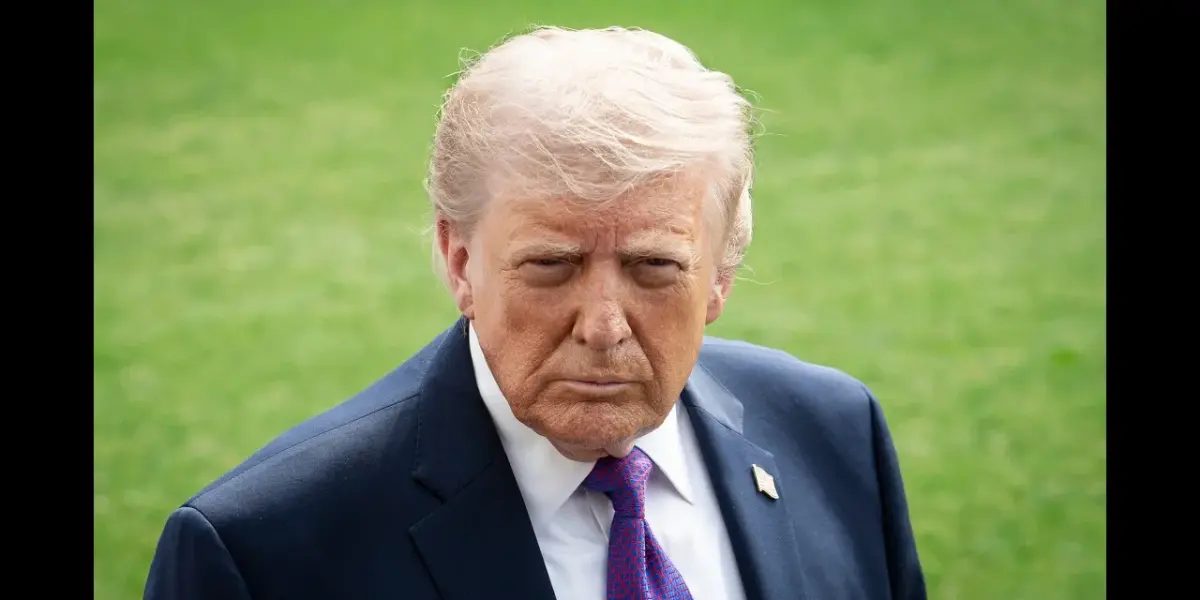
Trump Warns Iran: Stop Fees in Strait of Hormuz Now!
President Trump has strongly criticized Iran’s management of the Strait of Hormuz, a vital waterway for global oil transport. He stated that Iran is doing a “very poor job” of allowing ships to pass through. The President also pointed to unconfirmed reports that Iran might be charging fees to vessels using this crucial passage. He issued a clear warning: “They better not be, and if they are, they better stop now.” This marks a significant escalation in rhetoric regarding maritime traffic and potential financial demands from Iran.
A Critical Chokepoint Under Scrutiny
The Strait of Hormuz is incredibly important. It’s a narrow channel connecting the Persian Gulf to the open ocean. Most of the world’s oil travels through this strait. Any disruption here can send shockwaves through global energy markets. Historically, fees have not been imposed on shipping vessels before conflicts in the region. This makes the current allegations particularly concerning to international trade.
Traffic Slows, Tensions Rise
Recent data from ship tracking services shows a dramatic drop in traffic through the Strait of Hormuz. Between Wednesday and the following morning, only seven ships passed through. This is a tiny fraction of the usual 140 ships that normally transit the strait daily. This slowdown suggests that either Iran is actively restricting passage or ships are avoiding the area due to heightened tensions and potential risks.
Peace Talks and Ceasefire Efforts
Amidst these concerns, diplomatic efforts are underway. The United States, represented by Vice President JD Vance, is set to meet with Iranian representatives for peace talks in Pakistan. These high-stakes negotiations aim to secure a lasting ceasefire following weeks of conflict. Pakistani authorities have taken extensive security measures in the capital, Islamabad, deploying extra troops and police for the talks.
Competing Visions for the Strait
The control and administration of the Strait of Hormuz remain a central point of contention. Iran asserts its jurisdictional control over the waterway. President Trump has proposed a surprising idea: joint US-Iranian administration of the strait. This proposal has met with objections from NATO members, particularly the UK. NATO Secretary General Mark Rutte has stated that Iran has no legal right to claim jurisdiction, referencing the UN Convention on the Law of the Sea. This convention provides a legal framework for how countries can use international waters.
Diplomacy Beyond the Strait
Beyond the immediate focus on the Strait of Hormuz, other diplomatic activities are occurring. Israel has agreed to negotiate with Lebanon. However, Israel continues its military operations against Hezbollah positions in the Baka Valley. These actions are reportedly outside the scope of the current Iran ceasefire framework. Despite some reported Iranian drone strikes, a ceasefire in the broader region appears to be holding.
Shifting Tone in Negotiations
President Trump has expressed optimism about reaching a peace deal. He noted that Iranian officials seem much more reasonable and talk differently in private meetings compared to their public statements to the press. This suggests that direct engagement might be yielding more constructive dialogue. However, the President also issued a stern warning, emphasizing severe consequences if Iran fails to adhere to the ceasefire terms. The details of the competing plans exchanged between the US and Iran remain largely undisclosed or have been rejected.
Why This Matters
The situation in the Strait of Hormuz directly impacts global energy security and economic stability. Any significant disruption to oil flow can lead to higher prices for consumers worldwide. The ongoing diplomatic negotiations, while complex, offer a potential path to de-escalation and a more stable region. The proposed joint administration of the strait, though controversial, highlights the lengths to which leaders are considering to ensure freedom of navigation.
Implications and Future Outlook
The future hinges on the success of these peace talks and Iran’s willingness to comply with international norms regarding maritime passage. If Iran continues to restrict traffic or impose fees, further international pressure or even military responses could be considered. Conversely, successful negotiations could lead to a renewed commitment to open waterways and regional stability. The involvement of multiple international players, including the UK and potentially other NATO members, underscores the global importance of resolving this issue. The demand for energy remains high, making the secure passage through the Strait of Hormuz a perpetual concern for economies around the globe. The diplomatic dance between adversaries and allies will continue to shape the flow of oil and influence global markets for the foreseeable future.
Source: Trump Says Iran Doing ‘Poor Job’ With Strait of Hormuz Passage, Criticizes Alleged Fees (YouTube)

Related Articles


Iran Tensions Send Oil Soaring, Stocks Mixed
Oil prices have surged amid escalating tensions around the Strait of Hormuz, a vital shipping route for global oil. Meanwhile, stock markets displayed mixed reactions, influenced by inflation data and geopolitical uncertainty. The situation underscores the close link between global events and energy security.

Trump Admits No Backup Plan for Strait Crisis
A recent admission revealed a lack of a backup plan for the critical Strait of Hormuz crisis. This mirrors past predictions that failed to materialize, raising concerns about preparedness in managing international volatility.

Trump’s Iran Plan: Empty Promises or Strategic Gamble?
Donald Trump's recent statements on Iran's control of the Strait of Hormuz are being criticized for lacking concrete plans and historical understanding. Critics argue his claims of easy solutions ignore the complex reality of U.S.-Iran relations and the IRGC's significant influence.