Iran Tensions Send Oil Soaring, Stocks Mixed
Oil prices have surged amid escalating tensions around the Strait of Hormuz, a vital shipping route for global oil. Meanwhile, stock markets displayed mixed reactions, influenced by inflation data and geopolitical uncertainty. The situation underscores the close link between global events and energy security.


Oil Prices Surge as Iran Tensions Escalate
Oil prices have climbed significantly, with US crude briefly breaking the $100 a barrel mark. This surge comes as tensions remain high around the Strait of Hormuz. Brent crude also saw an increase. Shipping through this crucial waterway, which handles about 20% of the world’s oil, is severely restricted. This situation is keeping global energy markets on edge and prices elevated.
Stock Markets Show Mixed Signals
In contrast to the energy sector, stock markets showed a more mixed reaction. The S&P 500 and the NASDAQ both opened higher, gaining ground after the release of March inflation data. Inflation figures came in largely as expected, which may have eased some investor worries. The Dow, S&P, and NASDAQ all ticked upward at the opening bell. Investors are currently weighing the potential stability of a ceasefire against the ongoing geopolitical pressures.
Why This Matters
The current situation highlights the delicate balance in global markets. Energy prices are highly sensitive to geopolitical events, especially those affecting major supply routes like the Strait of Hormuz. When a significant portion of global oil passes through a narrow passage, any disruption can have immediate and widespread effects on prices. This impacts everything from the cost of gasoline at the pump to the operating expenses for businesses worldwide.
Meanwhile, stock market reactions show investors trying to process multiple factors. Inflation data, which signals the general health of the economy, is a key concern. However, geopolitical conflicts add another layer of uncertainty. Investors are looking for stability, but the ongoing conflict in the Middle East, coupled with potential talks, creates a complex environment for decision-making. The market’s ability to absorb these shocks is being tested.
Historical Context and Background
The Strait of Hormuz has long been a critical chokepoint for global oil transport. Throughout history, any instability in this region has led to significant price volatility. For instance, during the Iran-Iraq War in the 1980s, attacks on oil tankers in the strait caused global oil prices to spike. The current situation echoes these historical patterns, reminding us how interconnected energy security and international relations truly are.
The relationship between oil prices and stock markets is also well-documented. When oil prices rise sharply, it can increase inflation and reduce consumer spending power, which often leads to a downturn in stock prices. Conversely, stable or falling oil prices can be beneficial for the broader economy and stock markets. However, the market’s response is not always straightforward, as seen with the mixed signals today, where inflation data and geopolitical events are pulling investors in different directions.
Implications, Trends, and Future Outlook
The sustained high oil prices could have a ripple effect on inflation globally. If prices remain elevated, central banks might face pressure to maintain or even increase interest rates to combat rising costs. This could slow down economic growth in many countries.
The planned talks between the US and Iran could offer a path toward de-escalation. If these discussions lead to reduced tensions and a more stable flow of oil, we could see oil prices ease. However, the success of these talks is uncertain. Geopolitical risks often persist, and even a temporary ceasefire can be fragile. The market will likely remain sensitive to any news or developments related to the region.
Looking ahead, the energy market’s future will depend on several factors. These include the outcome of diplomatic efforts, the stability of oil-producing regions, and the pace of the global transition to renewable energy sources. For now, the market appears to be in a holding pattern, reacting to immediate events while anticipating future developments. Investors will be watching closely to see if diplomacy can bring relief to the energy markets and provide more certainty for the global economy.
Source: Stocks Waver, Oil Prices Hold Steady Ahead of Planned US Iran Talks (YouTube)

Related Articles


Trump Admits No Backup Plan for Strait Crisis
A recent admission revealed a lack of a backup plan for the critical Strait of Hormuz crisis. This mirrors past predictions that failed to materialize, raising concerns about preparedness in managing international volatility.

Moon Missions Reignite Space Race Ambitions
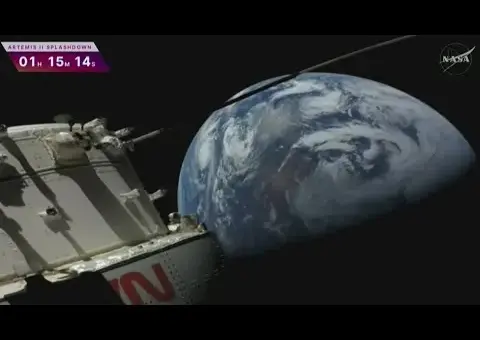
The Artemis II mission has shifted focus back to the Moon, revealing new geological insights and boosting confidence in lunar hardware. This renewed emphasis signals a potential new era of sustained lunar presence, moving beyond earlier Mars-focused ambitions and echoing the historical space race.


Trump’s Iran Plan: Empty Promises or Strategic Gamble?
Donald Trump's recent statements on Iran's control of the Strait of Hormuz are being criticized for lacking concrete plans and historical understanding. Critics argue his claims of easy solutions ignore the complex reality of U.S.-Iran relations and the IRGC's significant influence.