Trump’s Iran Plan: Empty Promises or Strategic Gamble?
Donald Trump's recent statements on Iran's control of the Strait of Hormuz are being criticized for lacking concrete plans and historical understanding. Critics argue his claims of easy solutions ignore the complex reality of U.S.-Iran relations and the IRGC's significant influence.

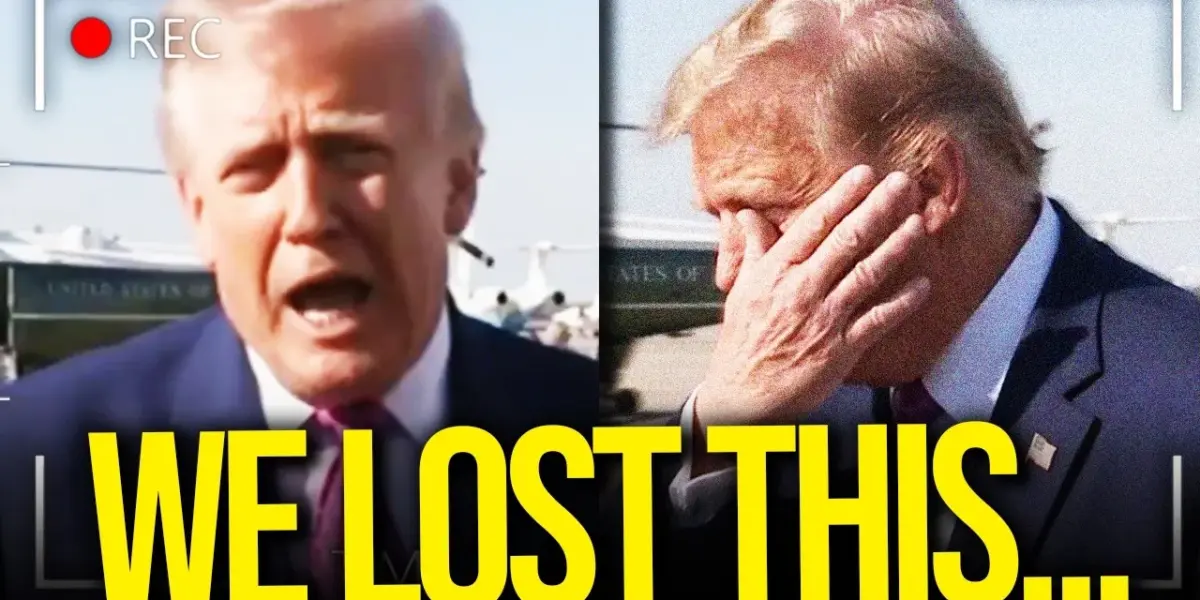
Trump’s Iran Policy Faces Scrutiny
Donald Trump’s recent statements on Iran’s role in the Strait of Hormuz and the winding down of regional conflicts have drawn sharp criticism. Many observers argue that his plans lack concrete details and a deep understanding of the complex history between the U.S. and Iran. This perspective suggests Trump is speaking broadly, hoping to sound decisive without offering real solutions.
A key point of contention is Trump’s assertion that the Strait of Hormuz will simply “open up automatically” if the U.S. withdraws. Critics compare this to his past predictions that COVID-19 would “disappear one day like a miracle.” While the pandemic’s severity has lessened, the virus still exists, much like the underlying issues impacting the Strait of Hormuz will not vanish on their own.
A Deal Without a Plan?
When asked about a “good deal” with Iran, Trump focused on preventing nuclear weapons, stating that was “99% of it.” However, the transcript notes that a deal to limit nuclear enrichment was already in place. This raises questions about what Trump’s new approach would achieve that the previous agreement did not.
Furthermore, the transcript points out that Iran may have little incentive to negotiate with an administration perceived as untrustworthy. Past actions, including bombings during negotiations and shifting diplomatic stances, could make Iran hesitant to engage. Instead of moving away from nuclear ambitions, Iran might feel pushed closer to them.
The Strait of Hormuz: A Matter of Control
Trump’s claim that the Strait of Hormuz will open “automatically” if the U.S. leaves is met with skepticism. He suggests other countries, which use the Strait, will help ensure it remains open. He also stated, “We don’t use it. Other countries use the strait.” This implies a reliance on international cooperation rather than direct U.S. enforcement.
“We don’t use it. Other countries use the strait. So, we do have other countries coming up and they’ll help out. But we don’t we don’t use it.”
This statement is particularly concerning to critics. If the U.S. is not a primary user of the Strait, its leverage to keep it open might be diminished. Relying on other nations to enforce passage could be a risky strategy, especially if those nations have different priorities or fears regarding Iran.
A Confusing Military Assessment
The analysis highlights a confusing contradiction in Trump’s statements regarding Iran’s military capabilities. At one point, he claims Iran’s “military is defeated,” its “Navy’s gone, the Air Force is gone,” and that the U.S. has “degraded just about everything.” He asserts Iran has “very few missiles” and “very little manufacturing capability.”
However, in the same breath, he discusses plans to “open up the Gulf with or without them” and ensure the Strait is open. This creates a logical gap: if Iran’s military is so thoroughly destroyed, why is there a need for extensive plans to secure a vital waterway that it currently controls?
The IRGC’s Grip
The transcript presents information from Fox News and an Israeli intelligence official suggesting that Iran, specifically the Islamic Revolutionary Guard Corps (IRGC), is actively controlling passage through the Strait of Hormuz. This control reportedly includes demanding fees from vessels and deciding who can pass.
This contrasts sharply with Trump’s claims of Iranian military defeat. The existence of a powerful IRGC Navy, equipped with drones, mines, and fast boats, is presented as the real force behind Iran’s control. The analysis distinguishes this IRGC Navy from Iran’s older, less capable regular navy, which critics suggest might be the force Trump believes has been destroyed.
Historical Context and Complexity
Understanding the current situation requires looking back at U.S.-Iran relations. The transcript briefly mentions the U.S. and Great Britain’s role in overthrowing Iran’s Prime Minister Mosaddegh in the 1950s and installing the Shah. This historical event is cited as an example of how complex the relationship is, suggesting that simple solutions are unlikely.
The transcript also notes that Iran has two distinct navies: the regular navy and the IRGC Navy. The regular navy, described as 60 years old and gifted by the UK, might be the one Trump refers to as destroyed. However, the IRGC Navy is presented as the more potent force currently exerting control over the Strait.
Propaganda vs. Reality?
The core argument presented is that Trump’s rhetoric may be more about projecting strength and claiming victory than about a well-defined strategy. The idea of a nation “losing” a war on the global stage by ceding regional control, only to negotiate for the return of a status quo, is seen as a sign of weakness, not victory.
The analysis suggests that Trump’s administration might be engaging in propaganda, framing a difficult situation as a success. The fact that Iran is reportedly demanding fees for passage through the Strait, even as Trump claims it will open easily, fuels this critique. The ongoing control by the IRGC suggests the conflict is far from resolved in the U.S.’s favor.
Why This Matters
The situation in the Strait of Hormuz is critical because it is a vital chokepoint for global oil supplies. Any disruption there can send shockwaves through the world economy. The effectiveness of U.S. foreign policy and its ability to maintain stability in a volatile region are also at stake.
The debate over Trump’s approach highlights a broader discussion about how to deal with Iran. Is it through aggressive military posturing, diplomatic engagement, or a combination of both? The transcript suggests that Trump’s current rhetoric lacks the substance needed to address these complex issues, potentially leaving the U.S. in a weaker position internationally.
Future Outlook
The future of U.S.-Iran relations and the security of the Strait of Hormuz remain uncertain. The transcript implies that without a clear, historically informed strategy, pronouncements about easy solutions may not hold up. The ongoing tension and Iran’s demonstrated ability to control the Strait suggest that future negotiations will be challenging.
The analysis concludes that the U.S. must understand the nuances of Iranian power, particularly the role of the IRGC, to craft effective policy. Simply declaring victory or predicting automatic resolutions may not be enough to secure U.S. interests or regional stability.
Source: Trump Runs Off after the TRUTH SLIPS OUT! (YouTube)

Related Articles
Trump Threatens Iran: ‘Loading Up Ships’ for Escalation
President Trump is sending a strong warning to Iran ahead of high-level talks in Pakistan, threatening further military action if negotiations fail. The US is preparing for potential escalation while also extending an 'open hand' for diplomacy.

US Energy Exports Undermine Foes, Boost Jobs
U.S. energy exports are a potent geopolitical tool, bolstering allies and undermining adversaries like Russia, according to House Majority Leader Steve Scalise. Increased domestic production, particularly from the Gulf of Mexico, is creating jobs and attracting billions in private investment.

MAGA’s Fury: Trump’s Iran Deal Sparks Backlash
Donald Trump's recent dealings with Iran have sparked significant anger and confusion within the MAGA movement. Supporters feel their leader has appeared weak, breaking campaign promises and failing to address the threat from Iran decisively.