Trump Threatens Iran: ‘Loading Up Ships’ for Escalation
President Trump is sending a strong warning to Iran ahead of high-level talks in Pakistan, threatening further military action if negotiations fail. The US is preparing for potential escalation while also extending an 'open hand' for diplomacy.

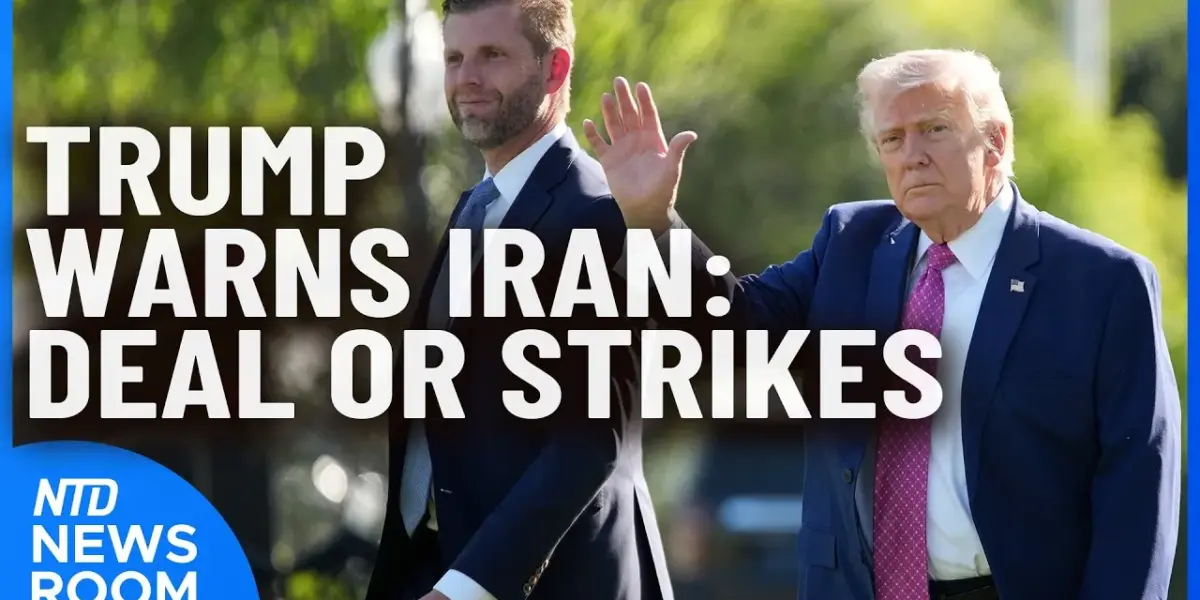
Trump Issues Stark Warning to Iran Ahead of Pakistan Summit
President Trump has sent a strong message to Iran ahead of a critical summit in Pakistan. He is demanding that Iran take upcoming negotiations seriously. The United States is working to ensure the safety of international waterways, particularly the Strait of Hormuz, which Iran has been accused of holding hostage.
US Diplomatic Push and Military Readiness
Vice President JD Vance is traveling to Pakistan for a high-stakes meeting with Iranian officials. This meeting, scheduled for tomorrow, marks the highest level of discussion between the US and Iran since 1979. Special envoy Steve Wickoff and Jared Kushner will also be part of the US negotiating team.
We’re looking forward to the negotiation. I think it’s going to be positive. We’ll of course see, as the president of the United States said, if the Iranians are willing to negotiate in good faith, we’re certainly willing to extend the open hand. If they’re going to try to play us, then they’re going to find that the negotiating team is not that receptive.
This statement from Vice President Vance highlights the administration’s dual approach: a willingness to engage peacefully but also a clear readiness for a firm response if negotiations falter. He added that the president has provided clear guidelines for the team.
Trump’s Direct Warnings and Military Posturing
President Trump has been very direct in his warnings to Iran. He told the New York Post that the US is “loading up the ships” with advanced weaponry. On Truth Social, he stated that Iran’s only leverage is the “short-term extortion of the world through international waterways.” He believes the reason Iran is still in existence is to negotiate.
These remarks come after President Trump criticized Iran’s handling of the Strait of Hormuz, calling it a “very poor job” and “dishonorable.” He pointed out that Iran appears to be charging fees to tankers passing through the strait, which he warns must stop immediately. Trump indicated that the current pause in potential action could be lifted at any time if talks do not go well.
Broader Context and Other News
The situation with Iran is unfolding alongside other significant news. In Florida, a Haitian national has been charged with the murder of a Florida mother. Separately, Meta Platforms, the parent company of Facebook, faces a legal challenge in Massachusetts. The state’s top court has ruled that the tech giant must address claims that it knowingly addicted teenagers to its platforms.
Additionally, the Justice Department has settled a case concerning social media censorship that occurred during the Biden administration. Meanwhile, lawmakers have spoken with the Artemis 2 crew as they prepare for their return to Earth. The crew’s Orion capsule is expected to splashdown later today.
Why This Matters
The escalating tensions between the US and Iran over the Strait of Hormuz are a critical issue for global trade and stability. This strait is a vital route for oil shipments, and any disruption can significantly impact energy prices worldwide. President Trump’s strong stance and military preparations signal a potentially serious escalation if diplomatic efforts fail. The upcoming summit is a crucial moment to see if dialogue can avert further conflict.
Implications and Future Outlook
The outcome of these negotiations could significantly shape regional stability in the Middle East. A successful resolution might lead to de-escalation and a return to more predictable shipping routes. However, if talks break down, the threat of military action looms, which could have severe economic and geopolitical consequences. The US administration’s approach suggests a belief that Iran is testing the limits and that a firm hand is necessary.
Historical Background
Relations between the US and Iran have been strained for decades, particularly since the 1979 Iranian Revolution. Issues like Iran’s nuclear program, its support for regional militant groups, and its influence in the Middle East have been ongoing points of contention. The Strait of Hormuz has historically been a flashpoint, with both sides engaging in actions that have threatened shipping and international commerce.
Previous US administrations have employed various strategies, including sanctions and diplomatic pressure, to manage the relationship. President Trump’s approach, characterized by direct warnings and a show of military strength, represents a distinct tactic in this long-standing diplomatic challenge. The current administration’s willingness to engage at a high level signals a potential shift, but the underlying issues remain complex.
Source: Pres. Trump: Strikes Continue If No Deal; Trump Meets GOP For DHS Funding | NTD Newsroom (April 10) (YouTube)

Related Articles

Trump’s Election Playbook: Experts Warn of Deception, Disruption
Voting rights experts are sounding the alarm on former President Donald Trump's alleged strategy for the midterm elections, describing it as a "deceive, disrupt, deny" playbook. Analysts warn that Trump aims to undermine election integrity and potentially refuse to accept results if unfavorable. Extensive legal battles are underway to counter these efforts and protect voter access.

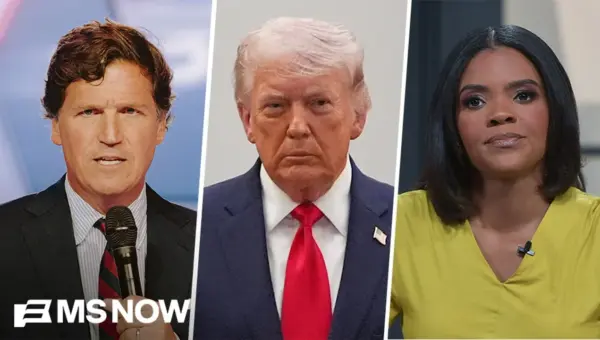
Trump’s “Low IQ” Attacks Backfire on Ex-Allies
Former President Donald Trump's insults targeting ex-allies like Tucker Carlson and Alex Jones have backfired, sparking sharp criticism and revealing divisions within the MAGA movement. Figures like Candace Owens suggested it's 'time to put Grandpa in a home,' while analysts point to the shifting dynamics and the growing influence of cultural engagement in politics.

MAGA’s Fury: Trump’s Iran Deal Sparks Backlash
Donald Trump's recent dealings with Iran have sparked significant anger and confusion within the MAGA movement. Supporters feel their leader has appeared weak, breaking campaign promises and failing to address the threat from Iran decisively.