Trump’s “Low IQ” Attacks Backfire on Ex-Allies
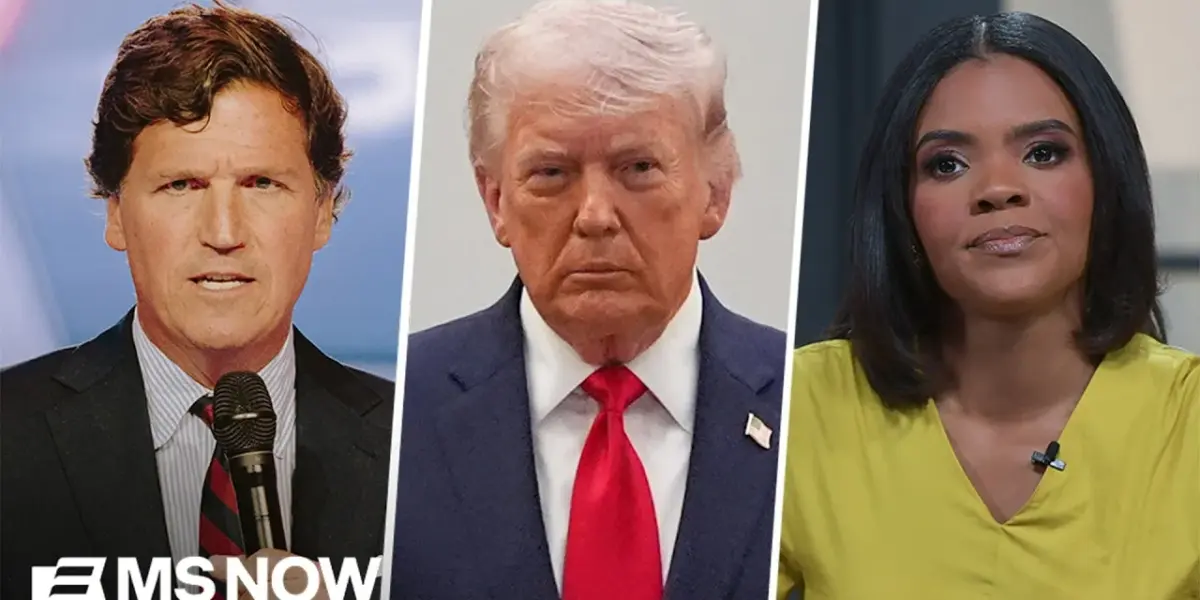
Former President Donald Trump's insults targeting ex-allies like Tucker Carlson and Alex Jones have backfired, sparking sharp criticism and revealing divisions within the MAGA movement. Figures like Candace Owens suggested it's 'time to put Grandpa in a home,' while analysts point to the shifting dynamics and the growing influence of cultural engagement in politics.

Trump’s Insults Ignite Fury from Former Allies
Former President Donald Trump’s recent insults, calling out former allies like Tucker Carlson and Alex Jones as “low IQs,” have backfired spectacularly. Instead of silencing his critics, Trump’s strong words have seemingly emboldened them, revealing a growing rift within his own political base. This development signals a potential weakening of Trump’s grip on his supporters, a group that has historically been fiercely loyal.
Allies Respond with Scathing Criticism
Alex Jones, known for his controversial views, responded with a surprisingly subdued, yet pointed, statement. He expressed pity for Trump, praying for him to be freed from “demonic influences.” This sentiment, coming from Jones, highlights the unusual nature of the situation.
Candace Owens, another prominent figure associated with the MAGA movement, delivered a particularly sharp retort. She suggested it might be “time to put Grandpa in a home,” a clear jab at Trump’s age and perceived fitness for leadership. This comment suggests a significant break from her previous alignment with Trump.
Tucker Carlson, while perhaps attempting a more statesmanlike approach, also seemed to acknowledge the shift. He reportedly released merchandise featuring a “Low IQ” red hat, a direct mockery of Trump’s insult. This move could be an attempt to align himself with growing dissatisfaction among his own followers who may view challenging Trump as a risky move.
Political Analyst Weighs In on Shifting Dynamics
Political analyst Molly Zhong, a contributing opinion writer for The New York Times, offered her perspective on the unfolding drama. She acknowledged that while she disagrees with the actions of these figures, they played a crucial role in Trump’s rise to power in 2016. “People like Tucker Carlson, who was fringe, and Alex Jones, who was fringe MAGA at that time,” Zhong noted, “are the people most responsible for making Donald Trump the nominee.”
Zhong believes these former allies are not experiencing a moment of conscience. Instead, she suggests their reactions are driven by the sentiments of their audiences and subscribers. “They are trying to serve their audience,” she explained, “and that means that Donald Trump is in more trouble than we think.” This indicates a focus on audience engagement and financial incentives over political loyalty.
Understanding Trump’s Political Style
The dynamic between Trump and his former allies can be understood by looking at his background, according to some analyses. His early influences in New York’s real estate, mafia, and World Wrestling Federation (WWF) environments shaped his approach to politics. Real estate taught him to see everything as a potential acquisition, leading to his focus on territorial gains and resource control. The mafia influence explains his emphasis on intimidation to ensure loyalty. The WWF, however, best illustrates his tendency to treat alliances as theatrical performances, where former friends can become rivals at any moment.
This perspective frames the current disputes as a form of political theater, akin to a 1980s wrestling match. Just as wrestling eventually moves past aging stars like Hulk Hogan, some argue Trump may be becoming yesterday’s news. The “circus” that propelled him may soon seek new figures to capture audience attention, suggesting his ability to command the spotlight is waning.
Culture’s Role in Political Movements
The ongoing clashes also highlight the significant role of culture in political movements. Figures like Jones, Owens, and Carlson are seen as adept at “grifting” by following audience desires and seeking financial opportunities. Andrew Breitbart’s observation that “politics is downstream of culture” is particularly relevant here.
Cultural icons, whether musicians, actors, or athletes, can lend a sense of “cool” and quasi-endorsement to political causes. When a figure like Bruce Springsteen speaks out on issues, it carries weight beyond just his words; it signifies an iconic legend engaging with political discourse. The argument is that ceding cultural influence to the right is a mistake, and that left-leaning cultural figures should actively participate in public discourse to support democracy.
The effectiveness of cultural influence is further demonstrated by Trump’s own reactions to public statements from famous individuals. Despite claims that actors’ opinions don’t matter, Trump is known to be highly sensitive to commentary from figures like Robert De Niro. This obsession suggests that cultural voices do hold sway, even if Democrats have sometimes struggled to connect emotionally with their audiences through policy alone.
Looking Ahead: Culture as a Battleground
The current dynamics suggest that cultural engagement will be a key battleground in future political contests. The ability of movements to resonate emotionally, not just logically, will be crucial. As political parties and figures increasingly recognize the power of cultural icons and movements, expect more instances of artists, athletes, and entertainers using their platforms to influence public opinion. The question remains whether political strategies will effectively integrate cultural engagement to connect with voters on a deeper level, especially as Trump faces growing challenges from within his former circle.
Source: ‘Time to put Grandpa up in a home’: Former MAGA allies HIT BACK after Trump says they have “Low IQs" (YouTube)

Related Articles
MAGA’s Fury: Trump’s Iran Deal Sparks Backlash
Donald Trump's recent dealings with Iran have sparked significant anger and confusion within the MAGA movement. Supporters feel their leader has appeared weak, breaking campaign promises and failing to address the threat from Iran decisively.

Trump’s Shifting Image: Loyalty Tested by New Realities
Supporters of Donald Trump are facing a critical moment, questioning if the man they once backed is the same today. This internal debate highlights the tension between loyalty and reality, with some calling for accountability measures.

Congress Demands Clarity on President’s Mind
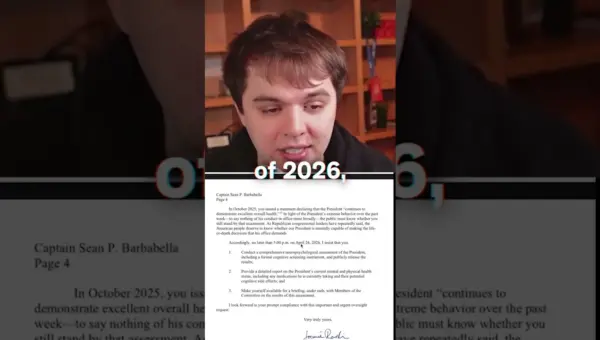
Congress is demanding a cognitive test for President Trump, citing the need for transparency on presidential mental fitness. This move reflects a growing public interest in the health of leaders and could set new precedents for evaluating those in high office.