US Energy Exports Undermine Foes, Boost Jobs
U.S. energy exports are a potent geopolitical tool, bolstering allies and undermining adversaries like Russia, according to House Majority Leader Steve Scalise. Increased domestic production, particularly from the Gulf of Mexico, is creating jobs and attracting billions in private investment.

US Energy Exports Undermine Foes, Boost Jobs
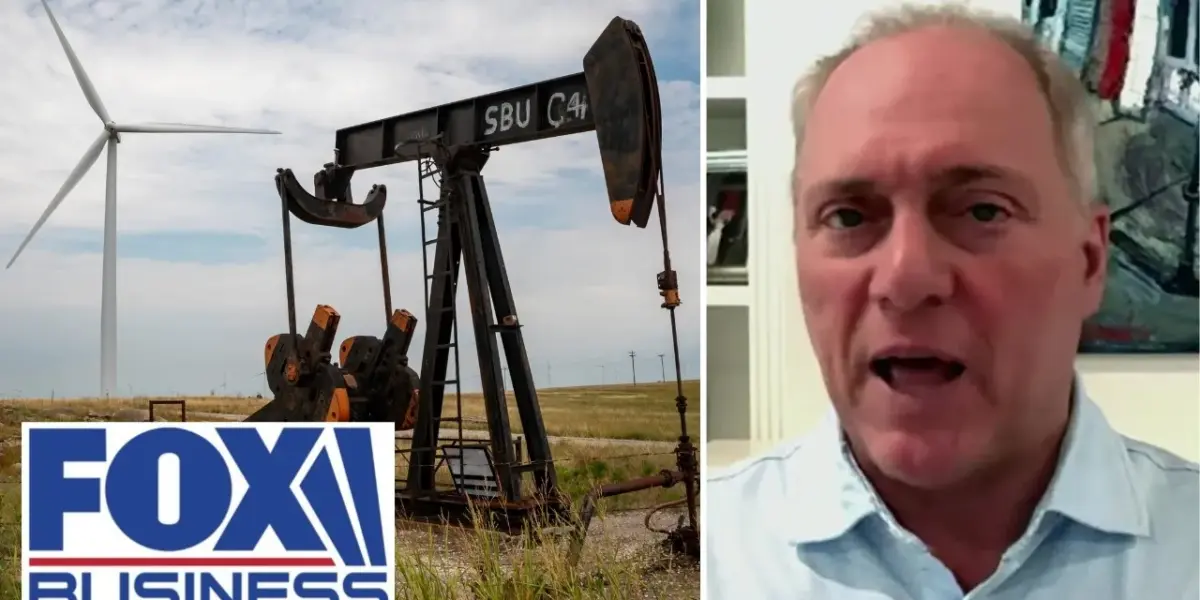
American energy production is not just about powering homes and businesses; it’s a powerful tool in global politics. House Majority Leader Steve Scalise recently led a congressional delegation on a trip to see U.S. energy operations firsthand. The tour included a deepwater oil platform in the Gulf of Mexico and a major Liquefied Natural Gas (LNG) export facility in Louisiana.
Scalise highlighted the importance of these operations, noting that a recent LNG shipment from Louisiana was bound for Poland. “You could probably fuel half a million people for a month with the tanker they loaded today,” Scalise stated. This export demonstrates how the U.S. can help allies who need energy. It also means less money flowing to adversaries like Russia. “That’s a billion dollars a month out of Vladimir Putin’s pocket he uses to go fight in Ukraine,” Scalise explained. This shows how American energy helps friends abroad while hurting enemies and creating jobs at home.
Gulf of Mexico Potential
The delegation visited an offshore platform operated by Occidental Petroleum. They also toured a new Venture Global LNG export facility. This plant, located near the Mississippi River, represents a massive private investment. “Venture Global was a $15-$20 billion privately-funded LNG export facility,” Scalise noted. These deepwater projects, some operating at depths of 12,000 to 15,000 feet, require billions of dollars in private funding and advanced American technology.
Scalise pointed to a report by McKinsey & Company that suggested the U.S. could produce an additional 2 million barrels of oil per day from the Gulf of Mexico. “We could essentially double the oil we’re getting from the Gulf,” he said. Even with just three major companies like Occidental, Chevron, and Shell, production in the Gulf already exceeds one million barrels a day.
Policy Impact on Production
Scalise contrasted the current administration’s approach with that of former President Trump. He stated that President Trump understood the energy industry well, while the Biden administration has made it difficult to get permits for energy projects. “Joe Biden shut down the Gulf of America. They couldn’t get permits to do anything,” Scalise claimed. This led to a decline in Gulf production. However, Scalise noted that since a key energy bill was signed into law about a year ago, investment and production are now on the rise again.
“We’re already seeing more investment, big, big investment I’m talking billions of dollars and more production,” he added. This suggests that policy changes can have a significant and relatively quick impact on the energy sector.
Oil Prices and Production Costs
When asked about the price of oil, Scalise identified what he considers the ideal range for oil companies. “$65 to $75 is the sweet spot,” he said. This price range likely balances profitability for producers with affordability for consumers and global markets. He also acknowledged that oil prices can decrease when certain geopolitical factors, like potential future deals involving Iran, are resolved.
This article is based on statements made by House Majority Leader Steve Scalise during a recent interview.
Market Impact
The push for U.S. energy independence and increased exports has significant implications. By supplying allies with American energy, the U.S. reduces the market share and revenue of geopolitical rivals, potentially limiting their ability to fund military actions. This strategy can stabilize global energy markets while strengthening diplomatic ties with friendly nations.
The development of offshore resources and LNG facilities also stimulates domestic job growth and technological innovation within the energy sector. Investments in these areas are often substantial, running into the billions of dollars, and rely on advanced engineering and specialized labor.
What Investors Should Know
Investors may see opportunities in companies involved in oil and gas exploration, production, and especially in the export infrastructure for LNG. Policy shifts that ease regulatory burdens and encourage domestic production can lead to increased investment and higher output.
The “sweet spot” price range of $65-$75 per barrel for oil, as mentioned, is a key indicator. Prices within this range can signal healthy profit margins for energy producers, potentially boosting stock performance. However, investors should also monitor global supply and demand dynamics, geopolitical events, and regulatory changes, as these factors can cause price volatility.
The long-term outlook for U.S. energy exports depends on sustained investment, technological advancements, and supportive government policies. The ability to reliably supply energy to international markets can position the U.S. as a crucial player in global energy security.
Source: US energy independence UNDERMINES ENEMIES: Steve Scalise (YouTube)

Related Articles


Ukraine Aid Cuts Cost Americans More Than Support
Cutting support for Ukraine has cost Americans more in increased energy prices than the aid itself would have, a new analysis suggests. The decision has also damaged global trust, with far-reaching implications.
Bolton: Trump’s Iran Threats Show Panic, Not Strategy
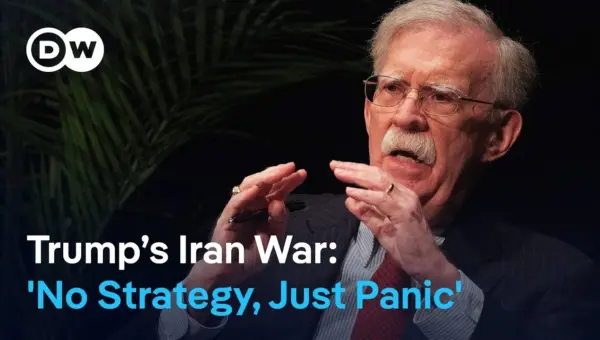
Former National Security Adviser John Bolton characterized Donald Trump's strong rhetoric towards Iran as a sign of panic driven by domestic political concerns. He believes Trump's decision-making lacks strategic depth, potentially creating international instability. Bolton also discussed the upcoming talks involving Vice President JD Vance and the ongoing risks of escalation.


US Troops Surge as Iran Conflict Looms Again
US forces are surging into the Middle East amidst a fragile ceasefire with Iran. Heavy troop and equipment movements suggest preparation for renewed combat operations if diplomatic talks fail. The closure of the Strait of Hormuz remains a critical point of tension with significant global economic impacts.