AI Backlash Sparks Violence, Threatens Tech Leaders
An Indianapolis shooting targeting a politician who supported a data center highlights a dangerous escalation in the AI backlash. Online reactions reveal disturbing support for violence, raising fears for tech leaders and the future of AI adoption.

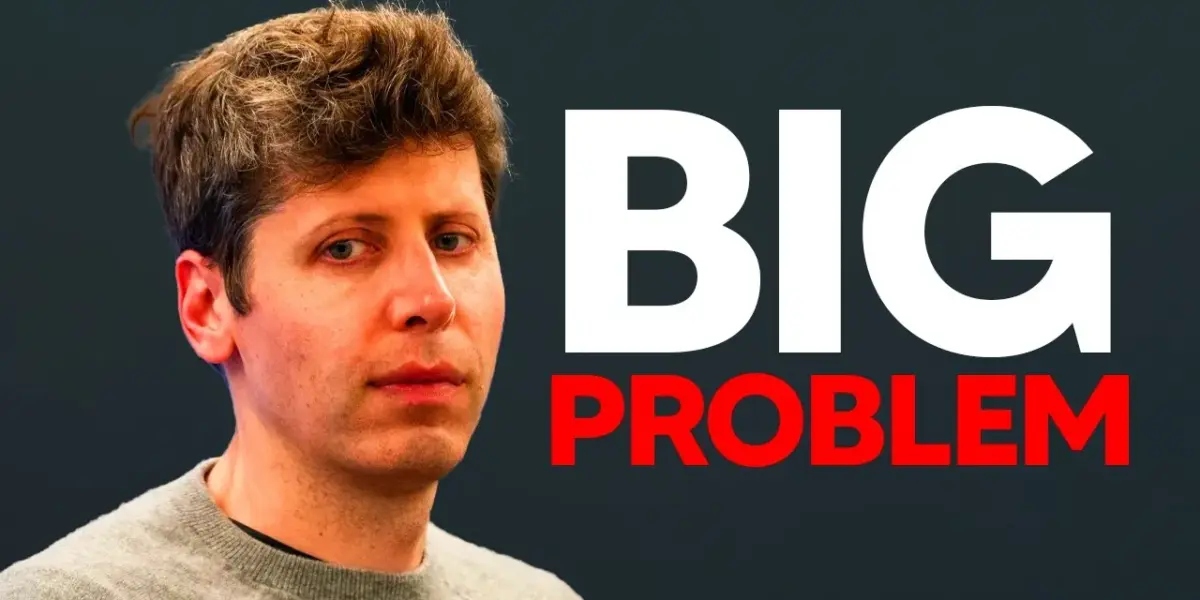
AI Backlash Turns Violent, Threatens Tech Leaders
A disturbing incident in Indianapolis has brought the growing backlash against artificial intelligence into sharp, violent focus. City councilor Ron Gibson’s home was shot at, with 13 rounds fired into his door, after he supported a data center rezoning proposal. A note reading “No data centers” was left at the scene.
Fortunately, Gibson was unharmed. However, the attack marks a serious escalation, highlighting fears that those involved in AI development or support could become targets. Local opposition to the data center cited environmental and neighborhood concerns, but the shooting suggests a dangerous fringe is taking extreme action.
Online Reaction Fuels Concerns
The online reaction to the shooting has further alarmed observers. Comments on social media, instead of condemning the violence, expressed disturbing levels of support. Some users stated they “love a feel-good story on the news such as this,” while others said they were “not mad at anyone that goes and does that.”
Even more concerning were comments suggesting violence against prominent AI figures like Sam Altman, the CEO of OpenAI. These remarks, receiving likes and support, indicate a deeply polarized sentiment. This online encouragement of violence mirrors earlier concerns that AI leaders might face threats, prompting some to avoid public appearances.
A Divide Widens
The incident underscores a growing divide between those immersed in the AI field and the general public. While AI enthusiasts see immense potential and daily benefits, many outside this bubble harbor deep resentment and fear. This disconnect makes it difficult to foster understanding and widespread adoption of AI technologies.
This isn’t just about abstract fears; it’s about tangible anxieties. People worry about job displacement, environmental impact from data centers, and the cost of living. When AI companies and proponents fail to address these concerns effectively, frustration can boil over.
Data Centers Under Fire
Data centers, the physical infrastructure powering AI, are increasingly becoming focal points of public anger. Rising electricity prices are often blamed on the energy demands of these facilities. In many areas, local opposition to new data centers is strong, with reports suggesting around 40% of those facing sustained local opposition are eventually canceled.
Beyond energy use, data centers face scrutiny over water consumption and environmental impact. Amazon, for example, settled a lawsuit for $20.5 million over allegations that its data centers used water containing nitrates, which then damaged farmland when returned to the environment.
Calls for Responsible AI Development
In response to these growing tensions, organizations like OpenAI are beginning to propose solutions. OpenAI has outlined six steps aimed at addressing the societal challenges posed by AI. These proposals emphasize the need for collaboration with policymakers to ensure AI is developed and deployed responsibly.
Tech leaders like Chamath Palihapitiya have also warned that if the tech industry doesn’t actively engage with the public and policymakers, the situation could worsen, potentially harming the U.S. economy. He pointed to data showing negative public perception of AI is now worse than that of ICE (Immigration and Customs Enforcement), highlighting a critical need to shift public sentiment.
Why This Matters
The escalating backlash against AI is more than just online chatter; it’s a real-world problem with potentially serious consequences. The Indianapolis shooting is a stark warning that frustration can lead to violence. This hostility threatens not only individuals but also the future development and adoption of AI technologies.
For AI to succeed, it needs public trust and acceptance. Companies must prioritize transparent communication, address environmental and economic concerns, and demonstrate a commitment to responsible deployment. Ignoring the growing public anger risks not only further incidents but also hindering the very progress AI promises.
The sentiment is clear: the disconnect between AI’s promise and public perception is widening. Without a concerted effort to bridge this gap, the AI revolution could face significant, and potentially dangerous, resistance.
Source: The War Against AI Has Just Begun (YouTube)

Related Articles


AI’s Tech Surge: Are We Embracing It Too Fast?
The rapid advancement of AI and technology is raising concerns about whether we're adapting quickly enough. Looking back at slower tech evolution, the current pace risks disconnecting us from tangible experiences and increasing costs for consumers.


AI Data Centers Spark Local Uprisings Amid Global Tensions
Residents in Wisconsin are protesting the construction of AI data centers, citing environmental concerns and a lack of community input. This local resistance highlights a growing conflict between technological expansion and the well-being of communities, set against a backdrop of broader geopolitical events.


OpenAI CEO Sam Altman’s Truthfulness Questioned in New Report
A new profile in The New Yorker raises serious questions about OpenAI CEO Sam Altman's truthfulness and leadership. The report, based on interviews with over a hundred sources, details allegations of deception and conflicting business practices. This scrutiny comes as OpenAI's influence grows in a largely unregulated AI industry, prompting calls for greater transparency and accountability.