Tariffs Threaten US Jobs, Sparking Automation Fears
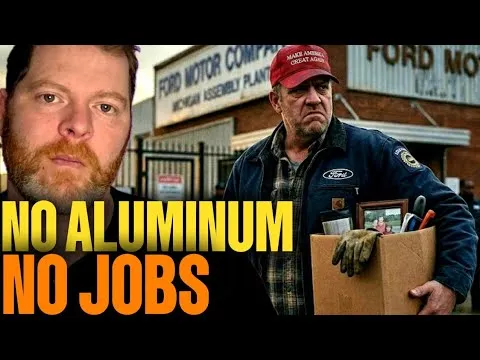
New U.S. tariffs on aluminum imports are driving up costs for manufacturers, particularly in the auto industry. This is leading to fears of job losses and a faster push towards automation. The policy raises questions about the government's role in the economy and its impact on everyday Americans.

Tariffs Threaten US Jobs, Sparking Automation Fears
New tariffs on aluminum imports are causing major problems for American manufacturers. This is especially true for the auto industry, which relies heavily on aluminum. Ford and other companies are worried about rising costs and potential job losses. The situation highlights a larger debate about how trade policies affect American workers and the economy.
Aluminum Supply Chain Under Pressure
The United States needs a lot of aluminum for manufacturing. However, it’s expensive to produce here because it uses so much energy. Most aluminum is mined in places like Australia. Then, it’s processed in countries like China, the Middle East, or Canada. Finally, it arrives at the U.S. border.
But now, new taxes, called duties and tariffs, are making imported aluminum much more expensive. A 50% duty on raw aluminum and a 25% tariff on aluminum products mean many U.S. companies can’t afford to buy it. Since the U.S. doesn’t produce enough aluminum on its own, this hurts businesses that need it to make their products.
Automotive Industry Faces Rising Costs
The automotive industry is a big employer in the U.S. Cars like the Ford F-150 use a lot of aluminum. The commercials might call it “military grade,” but it’s a key part of making these vehicles. With higher aluminum costs, car makers face tough choices.
To keep prices down, companies might have to use more automation. This means robots and machines could replace human workers on the assembly line. This could lead to job cuts for millions of people, especially in the auto sector.
Economic Impact and Government Revenue
These tariffs are not just affecting car companies. They are hitting manufacturers across the board. Wall Street, where big companies are traded, is showing signs of panic. Even though these tariffs are meant to help American industries, they are hurting profits and making it harder to do business.
Some believe these tariffs are a way for the government to collect more money. This revenue could fund military actions or other government programs. This is happening as the U.S. economy shifts, with some seeing it as a move towards a wartime footing.
Historical Context: Weaponizing Trade
Using tariffs as a tool in foreign policy is not new. However, recent actions show a growing trend of using trade restrictions to achieve political goals. Even though courts have questioned some of these tariffs, presidents have found ways to impose them. This gives leaders the power to make these decisions quickly.
Studies show that most of the cost of these tariffs is passed on to consumers. This means Americans end up paying more for everyday goods. It’s like an indirect tax that adds to inflation. This system, burdened by fees and tariffs, could become too much for the economy to handle.
Automation and the Future of Work
The discussion about automation and artificial intelligence (AI) is growing. While AI might boost company profits, it also raises concerns about widespread job losses. If millions of Americans lose their jobs and there’s no safety net like a universal basic income, many could struggle.
The wealth generated could go to a small percentage of the population, while many others face hardship. This trend could lead to economic instability and job cuts. Companies might start freezing hiring or laying off workers.
Global Implications and Shifting Alliances
The U.S. is also involved in international tensions. Ceasefires are sometimes seen as a way for the U.S. to prepare for future conflicts. There are also new, high tariffs between countries like Ecuador and Colombia, showing trade disputes are happening in other regions too.
The U.S. energy infrastructure is already strained by demands from data centers. This makes it hard to boost energy-intensive industries like aluminum production. The country seems to be heading in an unusual direction, and many Americans may not fully grasp the potential consequences.
Why This Reshapes the World Order
The increasing use of tariffs, the focus on automation, and the shift towards a potential wartime economy are changing how the world works. Countries are looking at how trade affects their own industries and jobs. The U.S. is using its economic power in new ways, which could lead other nations to do the same. This could create a more complex and unpredictable global trade environment.
The reliance on imported materials like aluminum, coupled with high tariffs, forces companies to either raise prices, cut jobs, or invest heavily in automation. This dynamic puts pressure on workers and consumers. It also highlights how interconnected global supply chains are and how vulnerable they can be to political decisions.
Future Scenarios
One possibility is that these tariffs remain, leading to continued price increases for consumers and a faster shift towards automation. This could cause significant job displacement. Another scenario is that the government reverses these policies due to pressure from industries and public outcry, leading to a more stable but perhaps less protected domestic market.
A third, more concerning scenario, involves further economic contraction and social unrest as the working class feels increasingly abandoned. This could also lead to increased geopolitical tensions as nations use economic tools more aggressively.
Source: WARNING: The 50% Tariff Destroying American Manufacturing (YouTube)

Related Articles


Tariffs Hurt Small Businesses Despite Court Ruling
Small businesses continue to face rising costs due to tariffs, despite a Supreme Court ruling meant to halt them. Owner Nneka Christiane details how these tariffs increase her business expenses and create supply chain issues. The lack of recourse for compensation leaves many entrepreneurs struggling.
Humanoid Robots Enter Auto Plant, Reshaping Manual Labor
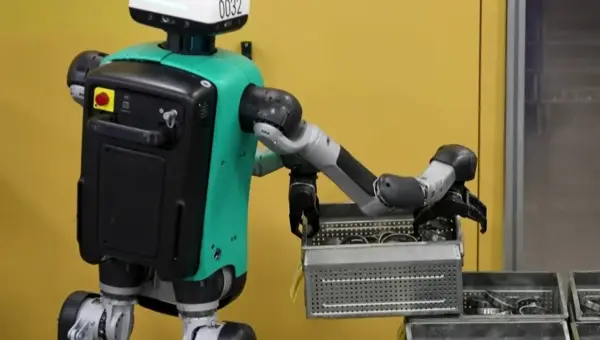
Humanoid robots are now taking on manual jobs in U.S. factories, with Schaeffler in South Carolina employing a robot named Digit for auto parts handling. While the company reskills human workers for higher-tech roles, experts warn of potential job displacement for lower-skilled workers. Safety and cost remain key factors as the technology continues to advance.

Tariffs Bolster US Steel, Aluminum Amid China’s ‘Rob, Replicate, Replace’ Strategy
New tariffs are strengthening the U.S. steel and aluminum industries, encouraging significant domestic investment and job growth. These measures counter China's 'rob, replicate, replace' strategy and are seen as vital for national security and economic independence.