Virgin Galactic Stock Plummets 99% Amid Bankruptcy Fears
Virgin Galactic's stock has plummeted by nearly 99% since 2019, pushing the space tourism company towards potential bankruptcy. Despite raising ticket prices to $750,000, the company faces significant financial hurdles, including massive operating losses and a struggling new spacecraft development timeline.

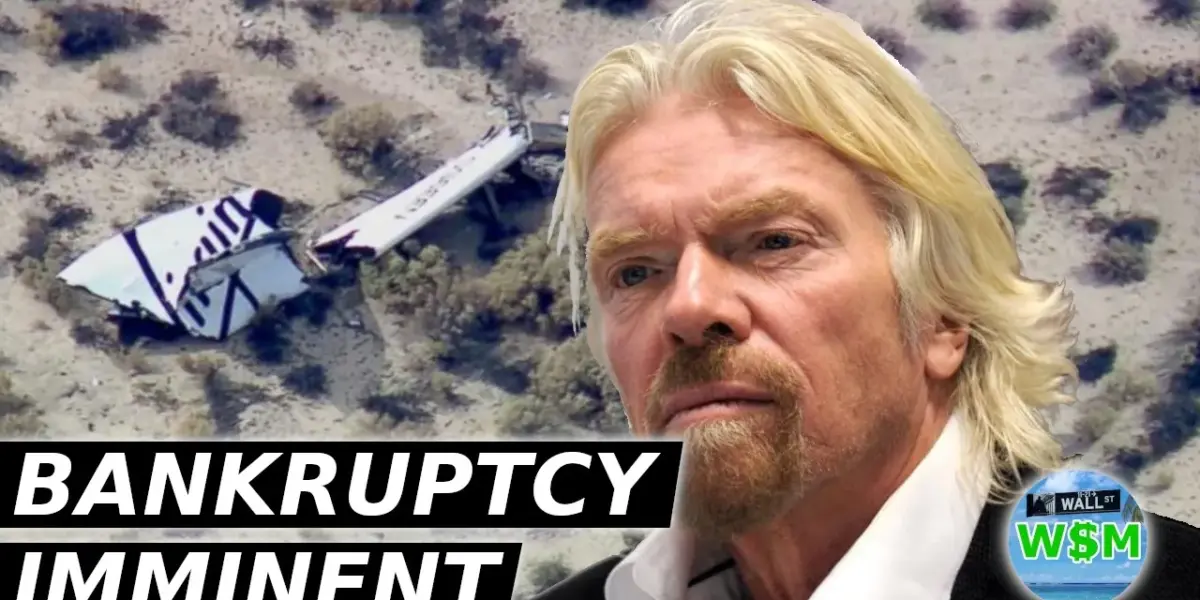
Virgin Galactic Stock Plummets 99% Amid Bankruptcy Fears
Virgin Galactic, once a symbol of futuristic space tourism, is now facing a dire financial crisis. Since its public debut in 2019, the company’s stock value has crashed by nearly 99%. Reports suggest the company is on the brink of bankruptcy, struggling to secure vital cash for its operations.
A Rocky Road to Space
Founded in 2004 by billionaire Richard Branson, Virgin Galactic aimed to offer space experiences to wealthy individuals. The initial vision was ambitious, with commercial flights expected by 2007. However, this timeline proved overly optimistic. A major setback occurred in 2014 when the VSSS Enterprise spaceship crashed during a test flight, tragically killing one pilot. Investigations pointed to pilot error and insufficient training as key factors.
Following the 2014 incident, Virgin Galactic developed a second spacecraft, the VSSS Unity. This vessel completed its first space flight in 2018. Yet, due to the inherent risks and the previous fatal accident, aviation regulators imposed strict testing requirements. This meant a significant delay before paying customers could fly.
Going Public and Public Promises
Building spaceships is incredibly expensive. To fund its operations, Virgin Galactic merged with a special purpose acquisition company (SPAC) in 2019. This move brought the company to the public market, exciting many retail investors eager to invest in space exploration. Chamath Palihapitiya, a prominent stock promoter, made bold claims about the company’s future, suggesting it was low-risk with profit margins superior to software firms.
In 2021, Virgin Galactic received approval from the Federal Aviation Administration (FAA) to fly passengers. A promotional flight carrying Richard Branson followed in July 2021. However, this flight triggered an FAA investigation when the spacecraft deviated from air traffic control instructions during re-entry. This led to the grounding of the spaceship and a two-year hiatus for crucial structural upgrades.
Limited Flights, Massive Losses
Commercial flights finally began in June 2023, initially carrying Italian scientists on a government mission. Subsequent flights catered to high-net-worth individuals, some of whom had reserved seats for nearly two decades. The VSSS Unity could only fly about once a month due to the extreme conditions and necessary maintenance after each flight. Between 2023 and 2024, Virgin Galactic completed seven missions, carrying 23 passengers and generating roughly $14 million in revenue.
This revenue pales in comparison to the company’s expenses. During the same two-year period, Virgin Galactic reported over $1 billion in operating losses. The VSSS Unity’s limited flight capacity made its business model unsustainable, unable to cover the high maintenance costs.
Retiring the Past, Banking on the Future
In June 2024, Virgin Galactic retired the VSSS Unity and halted commercial flights. The company is now focused on developing a new spacecraft, the Delta class. This new design is larger, intended to carry six passengers instead of four, and crucially, is projected to fly eight times per month, a significant increase from the Unity’s single monthly flight. The company hopes the Delta class will generate over $20 million monthly in ticket revenue.
An Unrealistic Timeline?
Virgin Galactic aims for the Delta class to begin commercial operations in the fourth quarter of 2026. However, this timeline appears highly optimistic, bordering on unrealistic. As of early 2026, the Delta spaceship is far from complete. While some components like the fuselage are built, the spacecraft is still in its early stages of construction. Following construction, it must undergo extensive FAA testing, a process that historically takes years, not months.
To illustrate, the VSSS Unity was completed in 2016 but didn’t fly its first revenue-generating mission until 2023, a seven-year gap. The Delta class faces a similar, if not longer, development and approval path. The company’s projection of flying its first revenue mission by the end of 2026, just months away, seems improbable given its track record.
Slumping Demand and Rising Prices
Demand for space tourism has also been a challenge. Virgin Galactic has adjusted its ticket prices multiple times over the years. Initially, tickets ranged from $200,000 to $250,000. After the 2014 crash, sales paused. By August 2021, prices rose to $450,000, increasing to $600,000 for commercial flights in 2023. Most recently, with the impending retirement of the Unity, reservations reopened in March 2026 at a staggering $750,000 per ticket.
Despite claiming massive pent-up demand, reservation numbers have surprisingly declined. After reaching a peak of 800 reservations in 2022, the number fell to 675 by the end of 2025. This indicates that over 100 customers canceled their reservations, despite having paid substantial non-refundable deposits, often exceeding $100,000.
Financial Distress and a Desperate Move
Virgin Galactic’s financial situation is precarious. The company burned through over $400 million in 2025 alone, with cash reserves dwindling. Its cash balance peaked at over $900 million in 2023 but had fallen to just $37 million by the end of 2025. This is less than a year’s worth of operating expenses.
Adding to its woes, the company has $283 million in outstanding debt. Significant portions of this debt are due in 2026 and 2027. With its low stock price limiting its ability to raise capital through stock sales, Virgin Galactic is desperately seeking cash from customer deposits. However, potential customers are likely deterred by the company’s evident financial instability.
In a recent move, Virgin Galactic reopened reservations for just 50 slots at the $750,000 price point. As of early April 2026, not all slots have been filled, suggesting that even the allure of space travel isn’t enough to overcome the perceived risk. The company’s 20-year history is marked by delays, accidents, and financial struggles. With its current cash crunch and looming debt, the possibility of bankruptcy in the near future appears increasingly likely.
Market Impact
Virgin Galactic’s struggles highlight the immense challenges and capital requirements of the nascent space tourism industry. Investors who bought into the company’s potential in 2019 have seen almost their entire investment vanish. The company’s financial health remains highly uncertain, with its survival potentially hinging on the successful and timely development of the Delta class spacecraft and its ability to attract paying customers. The recent attempt to raise ticket prices and secure deposits underscores the company’s desperate need for cash, but this strategy may be undermined by a lack of trust from potential buyers.
What Investors Should Know
The company’s stock performance, down nearly 99% since going public, signals deep investor skepticism. The ambitious timeline for the Delta class spacecraft, coupled with a history of missed deadlines, raises serious doubts about its feasibility. Potential customers face significant risk, as deposits are non-refundable, and the company’s financial situation puts the actualization of their space flight dreams in jeopardy. The high price point and slow pace of flights, combined with substantial operating losses and debt, paint a bleak picture for Virgin Galactic’s future. Investors and potential customers should carefully consider the company’s long track record of setbacks and its current precarious financial standing before committing any capital.
Source: Virgin Galactic Is On The Brink of Bankruptcy (YouTube)

Related Articles


Market Rallies Despite Ceasefire Deal Doubts
Global markets are climbing despite doubts over a Middle East ceasefire deal and a historic drop in U.S. consumer confidence. Investors seem to be betting on de-escalation, even as high prices erode household finances.


Iran War Sparks $120B Stock Wipeout in UAE
The UAE's stock markets have lost $120 billion amid the Iran conflict, shaking its reputation as a safe haven. Disruptions to air travel, trade, and the energy sector are creating significant economic challenges. Investors are watching closely as the nation reevaluates its security alliances.

Bull Market Deserves Doubt, Says Wealth CIO
Truist Wealth CIO Keith maintains that the current bull market deserves the benefit of the doubt, citing record corporate profits and resilience through economic challenges. Key sectors like materials, industrials, and technology show strong potential despite investor anxiety.