US, Iran Hold High-Stakes Peace Talks Amid Tensions
Vice President J.D. Vance led U.S. negotiations with Iran in Pakistan, seeking to de-escalate tensions amid ceasefire violations and threats of military action. The talks face significant hurdles, including Iran's demands for a Lebanon ceasefire and asset release, and the critical closure of the Strait of Hormuz. The conflict's economic impact is evident in rising inflation and falling consumer confidence.


US, Iran Begin Crucial Diplomatic Talks in Pakistan
Vice President J.D. Vance led the U.S. delegation into high-stakes diplomatic negotiations with Iran in Islamabad, Pakistan, aiming to de-escalate tensions and secure a peace agreement. The talks, which began April 11th, come amid accusations from both sides of violating a previously agreed-upon ceasefire, casting a shadow over the potential for a breakthrough.
President Trump’s Pressure Campaign
Ahead of the talks, President Trump intensified pressure on Iran. He used social media to criticize Iran’s actions regarding the Strait of Hormuz, claiming Tehran had failed to reopen the vital waterway as promised. Trump also suggested military action was imminent if negotiations failed, stating that U.S. naval ships were being “loaded up with the best weapons ever made.” These strong words signaled the administration’s firm stance and willingness to use force if diplomacy faltered.
Iran’s Demands and Regional Tensions
Iran’s delegation, led by Parliament Speaker, presented its own conditions for the talks. They insisted that any progress was contingent on a ceasefire between Israel and Hezbollah in Lebanon. Additionally, Iran demanded the release of its assets frozen by international sanctions. This linkage to the conflict in Lebanon highlights the complex regional dynamics at play, with the ongoing Israeli bombardment of Hezbollah targets in southern Lebanon adding to the volatile atmosphere.
Strait of Hormuz: A Key Sticking Point
The closure of the Strait of Hormuz emerged as a critical issue. Traffic through the waterway, essential for global oil transport, has been severely restricted. S&P Global Market Intelligence reported that only two vessels, neither of them tankers, transited the strait recently. The U.S. administration viewed reopening the Strait as a primary goal, potentially the most achievable outcome from the negotiations. The lack of movement through this vital passage directly impacted global energy markets and underscored the urgency of the diplomatic efforts.
Vice President Vance’s Role and U.S. Strategy
Vice President Vance’s leadership of the U.S. delegation is notable. While he was reportedly initially opposed to military action against Iran, he has since aligned with the President’s strategy. A source close to the Vice President indicated that Vance’s role is to represent the President’s position, not personal views. Despite Vance’s relative inexperience in such complex negotiations, some believe he brings a fresh perspective and credibility to the talks, potentially offering Iran a new interlocutor after perceived trust issues with other U.S. officials.
"Look, we’re looking forward to the negotiation. I think it’s going to be positive. We’ll, of course, see, as the President of United States said, if the Iranians are willing to negotiate in good faith, we’re certainly willing to extend the open hand. If they’re going to try to play us, then they’re going to find that the negotiating team is not that receptive."
Economic Impact and Consumer Sentiment
The conflict’s economic repercussions are significant. The Labor Department reported a nearly full percentage point jump in consumer prices in March alone, with a 3.3% increase compared to the previous year. This surge was largely driven by the largest one-month rise in gas prices in nearly 60 years. A University of Michigan survey revealed a sharp decline in consumer sentiment, hitting a record low in April. This pessimism, fueled by rising costs and economic uncertainty, could impact consumer spending and broader economic indicators.
Israel’s Position and Regional Stability
From Tel Aviv, NBC News International Correspondent Matt Bradley reported that Israel is closely watching the talks. For Prime Minister Netanyahu, the conflict initially presented an opportunity but has since become a challenge. Israel’s ability to influence the negotiations directly is limited, relying instead on the U.S. as an intermediary. The pressure from the Trump administration to scale back attacks against Hezbollah in Lebanon is significant, as Israel attempts to balance its security concerns with the diplomatic push for a broader regional de-escalation.
Pakistan’s Mediating Role
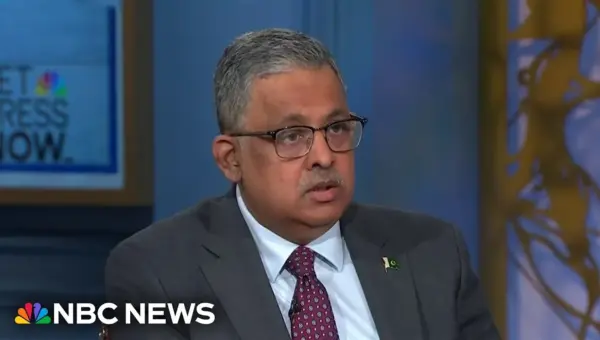
Ambassador Rizwan Saeed Sheikh of Pakistan emphasized his country’s commitment to facilitating the talks. Pakistan, with a history of mediating international disputes, has been working with multiple partners to bring the U.S. and Iran to the negotiating table. Ambassador Sheikh expressed confidence that the talks would proceed, viewing any remaining issues as points that could be addressed once negotiations commenced. He stressed that diplomacy and dialogue are paramount, especially if the parties are prepared to engage in good faith.
What’s Next?
With both sides arriving in Islamabad, the focus remains on whether a durable agreement can be reached. The success of these talks hinges on navigating complex demands, historical distrust, and the volatile regional landscape. Observers will be watching to see if the initial discussions can lay the groundwork for sustained peace or if further escalation remains a possibility. The economic implications, both domestically and globally, will also be a key indicator of the talks’ ultimate impact.
Source: Meet the Press NOW — April 10 (YouTube)

Related Articles

Trump’s Iran War Sparks Global Economic Crisis, Fuel Shortages
Donald Trump's war with Iran has triggered a global economic crisis, marked by surging inflation, gas price hikes, and potential jet fuel shortages. Iran's control over the vital Strait of Hormuz has become a key economic and geopolitical advantage, complicating U.S. objectives and impacting international stability.
US, Iran Peace Talks Begin Amid Ceasefire Dispute
Vice President J.D. Vance leads a U.S. delegation to Pakistan for crucial peace talks with Iran, aiming to resolve escalating regional tensions. The negotiations commence amidst disputes over a ceasefire agreement, with both nations accusing each other of violations. Key issues include the Strait of Hormuz and the conflict in Lebanon, impacting global energy markets and consumer confidence.
Iran Gains Strait of Hormuz Control Amidst War
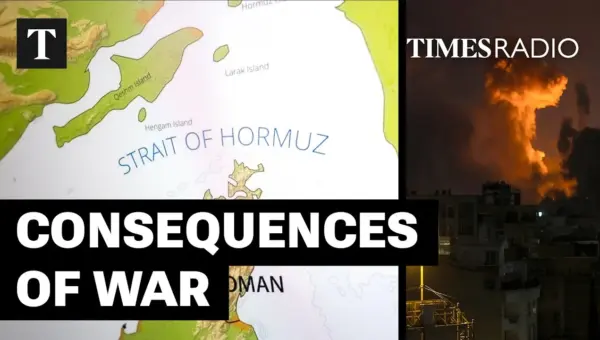
Top US officials are traveling to Pakistan for critical talks with Iran, facing preconditions including a ceasefire in Lebanon and the release of blocked assets. Iran's de facto control over the Strait of Hormuz has emerged as a significant leverage point in the escalating regional tensions. The negotiations are expected to be tough, with both sides holding firm positions on key issues.