Trump’s Iran War Sparks Global Economic Crisis, Fuel Shortages
Donald Trump's war with Iran has triggered a global economic crisis, marked by surging inflation, gas price hikes, and potential jet fuel shortages. Iran's control over the vital Strait of Hormuz has become a key economic and geopolitical advantage, complicating U.S. objectives and impacting international stability.

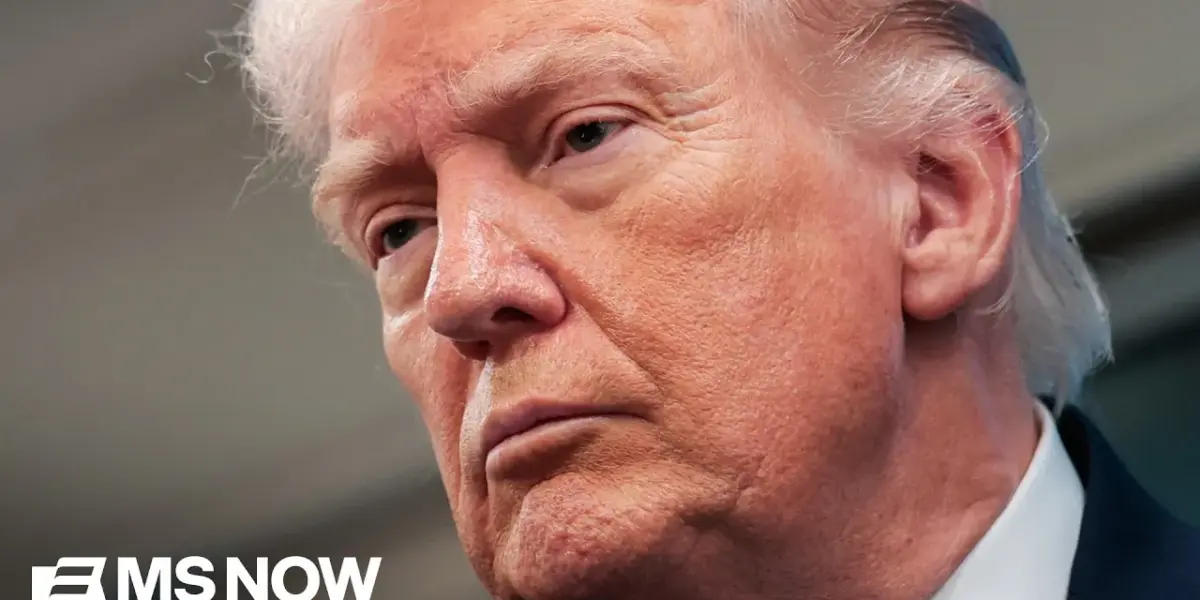
Global Economy Reels as Trump’s Iran War Triggers Widespread Disruption
The global economy is facing significant disruption and rising inflation, largely due to the ongoing conflict with Iran initiated under Donald Trump’s presidency. The crisis has led to surging gas prices, potential jet fuel shortages in Europe, and even prompted the Irish government to deploy the army to quell protests over fuel scarcity. Analysts suggest the economic fallout may be more severe and far-reaching than initially reported, with Iran leveraging its control over the critical Strait of Hormuz as a geopolitical and economic advantage.
Strait of Hormuz: Iran’s Strategic Leverage
Iran has maintained a significant chokehold on the Strait of Hormuz, a vital waterway through which approximately one-fifth of the world’s oil and gas supply flows. Despite military actions by the United States, Iran has retained strategic control, using the threat of its remaining ballistic missiles and drones to influence maritime traffic. The New York Times reported that Iran is prioritizing vessels from friendly nations, effectively creating a selective passage. This situation has put President Trump on the defensive, with him issuing a public statement warning Iran against charging fees to tankers passing through the strait.
Mixed Outcomes and Diplomatic Challenges
Susan Glasser of The New Yorker noted that Iran has not only kept control of the Strait of Hormuz but now asserts the right to charge fees. This outcome falls short of Donald Trump’s stated objectives. Meanwhile, Vice President J.D. Vance is preparing for high-stakes peace talks in Pakistan, aiming to negotiate an end to the conflict. However, Vance reportedly enters these talks in a precarious position, having privately voiced opposition to the war even as the administration pursued an aggressive military campaign. President Trump has also threatened military escalation if the talks do not yield success within 24 hours, signaling a potentially volatile path forward.
Expert Analysis: Strategic Disconnect and Economic Impact
Former CIA Director John Brennan and other national security experts have analyzed the strategic implications of the conflict. Nancy Yusuf, a staff writer for The Atlantic, explained that while Iran has suffered military setbacks, its strategic position, particularly its control over the Strait of Hormuz, remains strong. This control has become Iran’s key leverage. The United States aims for the Strait to be open and for Iran to halt its nuclear weapons program. Iran, conversely, seeks sanctions relief, a new relationship regarding the strait, an end to fighting in Lebanon, and assurances against future strikes. The current situation leaves uncertainty about achieving an enduring cessation of hostilities, with Iran entering talks feeling it holds the upper hand.
“Iran has not only retained control of the Strait through which one-fifth of the world’s oil and gas supply flows. It now asserts the right to charge millions of dollars.”
— Susan Glasser, The New Yorker
Global Reputation and Future Uncertainty
The conflict and its economic repercussions are also damaging America’s standing in the world. Allies are reportedly making contingency plans, with some leaders expressing open criticism of U.S. actions. The protests in Ireland over fuel shortages highlight the tangible impact on ordinary citizens, who reportedly view the U.S. decision to go to war as needless and senseless. Experts suggest that America’s reputation is in tatters, leading to a more transactional global relationship. The upcoming negotiations are critical, with both sides needing to determine minimum acceptable outcomes, potentially involving sanctions relief and asset unfreezing as compensation for Iran, while the U.S. seeks assurances on nuclear programs and stability in the Strait of Hormuz.
Looking Ahead: The Path to De-escalation
The coming days will be crucial as the peace talks in Pakistan unfold. The effectiveness of these negotiations will determine whether the current economic disruption can be eased and if a lasting de-escalation in the region is achievable. The world watches to see if diplomatic solutions can overcome the strategic leverage held by Iran and the volatile rhetoric from the U.S., potentially reshaping international economic and political alliances.
Source: ‘Worse than we think’: Trump’s Iran war failures causing MASSIVE economic disruption across globe (YouTube)

Related Articles
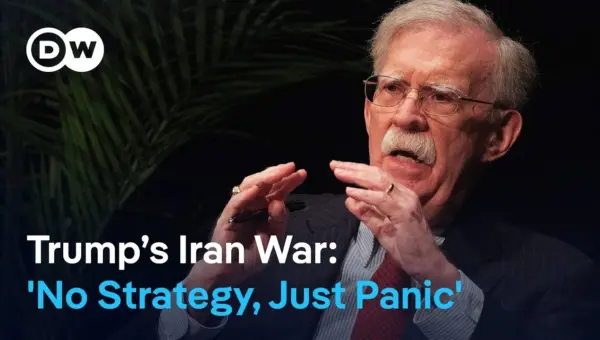
Bolton: Trump’s Iran Threats Show Panic, Not Strategy
Former National Security Adviser John Bolton characterized Donald Trump's strong rhetoric towards Iran as a sign of panic driven by domestic political concerns. He believes Trump's decision-making lacks strategic depth, potentially creating international instability. Bolton also discussed the upcoming talks involving Vice President JD Vance and the ongoing risks of escalation.
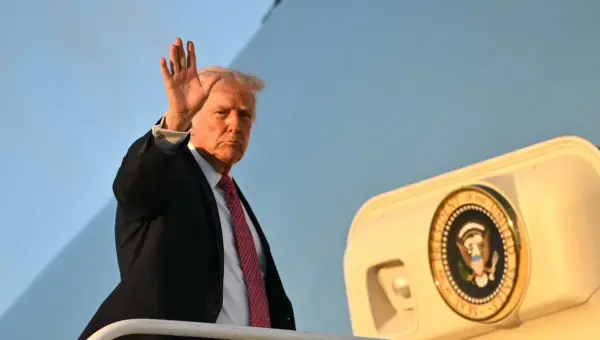
Trump Hints at War Strategy: ‘No Nuclear Weapons’ Key
Former President Donald Trump shared insights into his military strategy, emphasizing the non-use of nuclear weapons and assessing an adversary's weakened state. His comments suggest a preference for decisive action over prolonged talks.

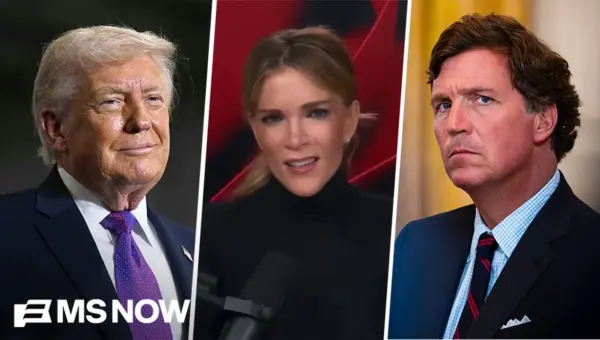
Trump Clashes With MAGA Allies Over Iran War Stance
Donald Trump has publicly feuded with former allies like Tucker Carlson and Candace Owens over their criticism of his stance on the Iran war. The dispute has exposed deep divisions within the MAGA movement, with allies questioning Trump's judgment and mental state. Experts believe these internal conflicts could significantly impact the Republican party's future.