Israel Blames Hezbollah for Ceasefire Blockade
Israel identifies Hezbollah as the sole obstacle to a ceasefire amidst ongoing strikes in Lebanon that have claimed hundreds of lives. Diplomatic efforts are underway, with Lebanon seeking a truce for peace talks, while Israel vows to continue its operations against Hezbollah.

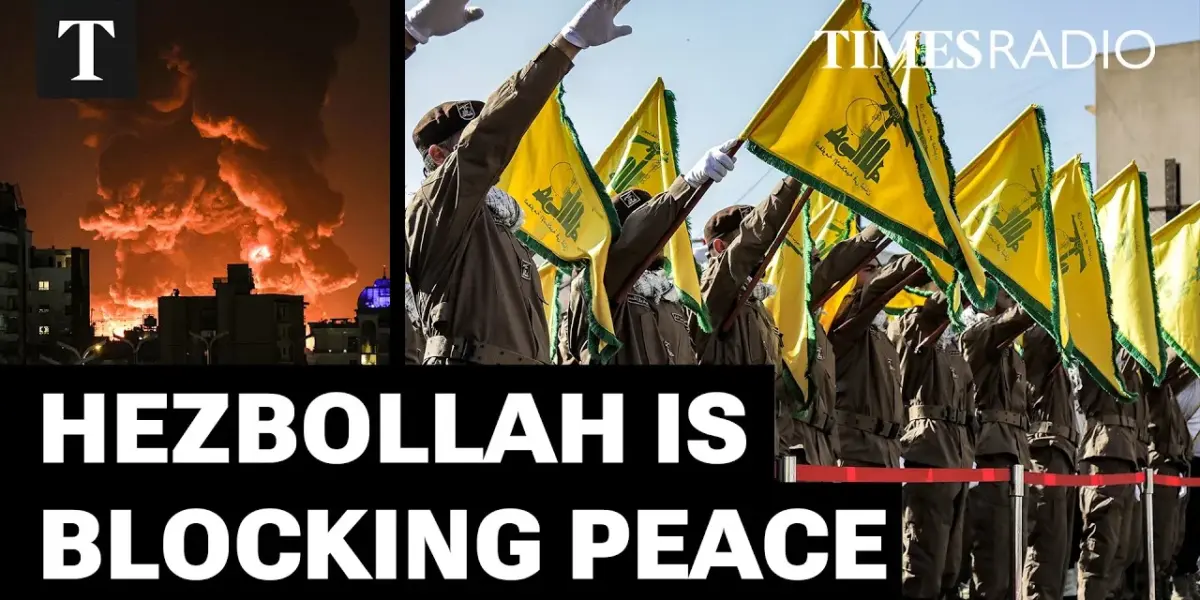
Israel Cites Hezbollah as Ceasefire Hurdle Amidst Ongoing Strikes
Israel has declared that Hezbollah is the sole impediment to achieving a ceasefire in the ongoing conflict. This statement comes as Israeli strikes continue to hit Lebanon, resulting in significant casualties. The Lebanese government, meanwhile, is seeking a temporary truce to facilitate upcoming peace talks with Israel, which are scheduled to take place in Washington.
Escalating Violence and Diplomatic Efforts
The conflict has seen at least 300 people killed and over 1,100 injured since Wednesday, with widespread Israeli air strikes targeting Lebanon. Dozens of these strikes hit the Lebanese capital, Beirut, in a single 10-minute period, making it the deadliest day in over a month of fighting. Bodies are still being recovered from the rubble, highlighting the severity of the situation.
Amidst this violence, diplomatic channels are being explored. Iran has stated that a halt to the strikes in Lebanon is a prerequisite for the talks scheduled for tomorrow. The Lebanese government views these negotiations as a pathway to ending the war and reclaiming national sovereignty. However, some Hezbollah supporters perceive these talks as a sign of submission to Israel.
Netanyahu’s Stance and US Involvement
Israeli Prime Minister Benjamin Netanyahu has asserted that there will be no ceasefire in Lebanon, vowing to continue attacking Hezbollah with full force. This stance follows a request from President Trump for Netanyahu to adopt a less aggressive approach in Lebanon. The United States has shown increasing receptiveness to Lebanon’s calls for de-escalation over time, a contrast to their earlier stance when the conflict began.
Lebanese officials, including the president and prime minister, had called for a ceasefire early in the conflict. They condemned Hezbollah’s rocket fire, which they saw as sparking the escalation, and proposed direct talks to prevent an Israeli ground invasion. France was a notable supporter of these early efforts, while the U.S. was initially preoccupied with Iran.
The Disarmament Stalemate
A key point of contention is Israel’s stated mission to disarm Hezbollah, which it believes the Lebanese government has not adequately supported. When the current Lebanese government took power just over a year ago, it adopted a strong stance on disarming Hezbollah and consolidating state arms. However, critics, including Israel, argue that insufficient action has been taken.
The Lebanese government counters that Israeli strikes, which continued after a late 2024 ceasefire, and Israel’s ongoing presence in southern Lebanon hinder these disarmament efforts. They claim to have dismantled Hezbollah’s military positions in large areas of southern Lebanon, but Israel maintains this is not enough. This disagreement remains a significant obstacle.
Concerns Over Southern Lebanon and Potential Occupation
There have been discussions within some Israeli government circles about annexing parts of southern Lebanon as a war aim. Following a ground invasion, Israeli troops have pushed into southern Lebanon, aiming to establish a security zone extending about 20 kilometers into Lebanese territory, up to the Leani River. This has led to fears of a new military occupation, especially as residents are told they cannot return indefinitely.
The language used by Israeli officials regarding this zone has been vague, fueling uncertainty. Over a million people in Lebanon have been displaced by the conflict. Fierce fighting continues between Hezbollah militants and Israeli forces in various towns. The exact terms of a potential withdrawal and disarmament remain unclear and are expected to be a critical element in future negotiations.
International Alignment Against Hezbollah
Jonathan Conricus, a former IDF spokesperson, highlighted what he described as a unique and positive situation involving an unofficial alliance. He stated that Israel, the United States, France, Saudi Arabia, the Emirates, Syria, and the state of Lebanon share a common interest in removing Hezbollah. Conricus characterized Hezbollah as a foreign, Iranian-backed terrorist organization that destabilizes Lebanon and threatens Israel.
According to Conricus, all these nations desire a ceasefire and peace talks. He reiterated that only Hezbollah and its sponsor, Iran, are against such measures. He emphasized that Israel can cease fire easily if substantial talks are to occur, but Hezbollah’s reluctance to engage in talks will likely lead to continued conflict and Israeli operations in southern Lebanon.
Addressing War Crime Accusations
Responding to accusations of war crimes, Conricus explained that Hezbollah embeds its military infrastructure, including weapons and command centers, within or beneath civilian structures. He argued that this practice by Hezbollah is what puts civilians at risk. He stated that Hezbollah has fired over 6,500 projectiles toward Israel since March 2nd, with most targeting Israeli civilians.
Conricus acknowledged that some civilian casualties in Lebanon are unintentional, resulting from strikes near Hezbollah facilities. He stated that Israel has expressed condolences for such incidents, emphasizing they were not intended targets. He pointed to the Lebanese state’s own calls for Hezbollah to cease firing rockets as evidence that the government recognizes Hezbollah operates behind Lebanese civilians to advance Iranian interests.
The Unseen Alliance and Iran’s Role
Conricus suggested that Israel’s military actions against Hezbollah effectively serve as support for the Lebanese state, even if not officially acknowledged. He believes that Israel is weakening Hezbollah’s military capabilities, which benefits Lebanon domestically. He described Israel as one of the few entities in the Middle East with the will and skill to confront such organizations.
Regarding Iran, Conricus expressed that for Israelis to live in stability without Iranian aggression, the current Iranian regime must eventually be removed. He believes this change must come from the Iranian people themselves, not through military force by Israel. Until then, he warned, the consequences of Iranian aggression will continue to be felt across the region.
Source: Israel Says Hezbollah Is The ‘Only Obstacle’ To A Ceasefire | Former IDF Spokesperson (YouTube)

Related Articles

US Troops Surge as Iran Conflict Looms Again
US forces are surging into the Middle East amidst a fragile ceasefire with Iran. Heavy troop and equipment movements suggest preparation for renewed combat operations if diplomatic talks fail. The closure of the Strait of Hormuz remains a critical point of tension with significant global economic impacts.
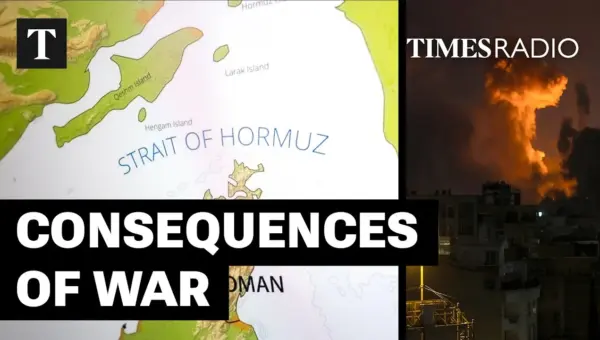
Iran Gains Strait of Hormuz Control Amidst War
Top US officials are traveling to Pakistan for critical talks with Iran, facing preconditions including a ceasefire in Lebanon and the release of blocked assets. Iran's de facto control over the Strait of Hormuz has emerged as a significant leverage point in the escalating regional tensions. The negotiations are expected to be tough, with both sides holding firm positions on key issues.
UK Offers Iran Negotiation Insight to Aid Trump’s Stalled Deal
The UK is offering its diplomatic expertise to the US to help President Trump navigate complex negotiations with Iran. As talks loom amidst uncertainty and strained UK-US relations, London believes its experience can aid in achieving a settlement and reopening the Strait of Hormuz. Discussions also highlight the UK's defense readiness and its role in regional stability.