Trump Hints at War Strategy: ‘No Nuclear Weapons’ Key
Former President Donald Trump shared insights into his military strategy, emphasizing the non-use of nuclear weapons and assessing an adversary's weakened state. His comments suggest a preference for decisive action over prolonged talks.

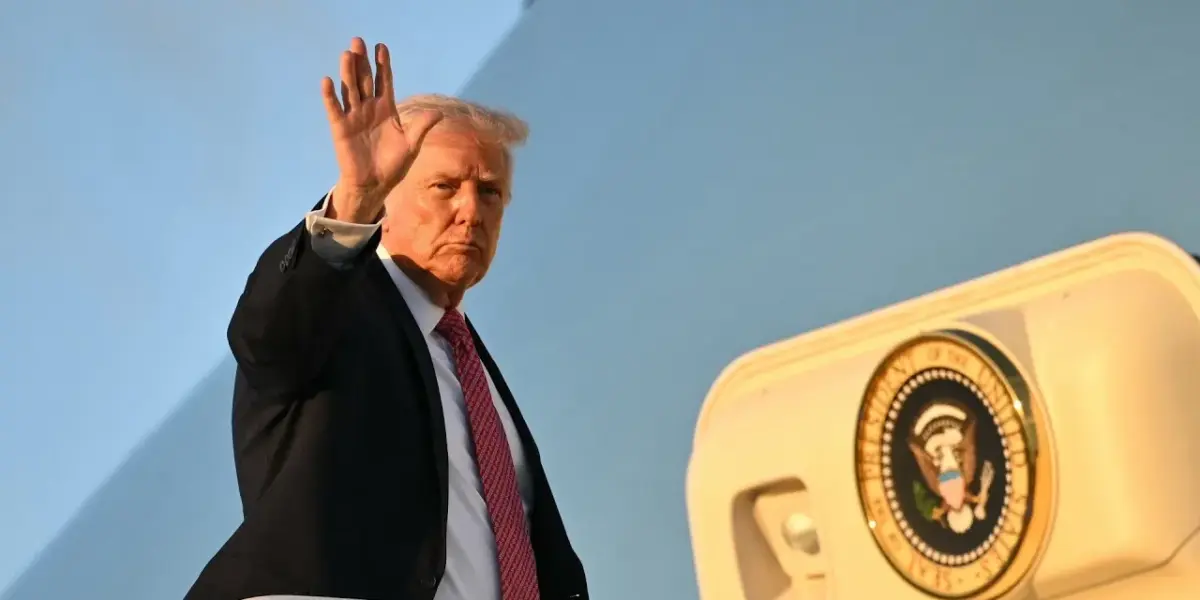
Trump Discusses Military Strategy in Rare Public Comments
During a brief departure from Joint Base Andrews on April 10th, former President Donald Trump made some notable comments about military strategy. While the context of the conversation was not fully detailed, Trump touched upon the idea of not using nuclear weapons and the state of an opposing military. These remarks offer a glimpse into his thinking on foreign policy and conflict resolution.
Focus on ‘No Nuclear Weapons’
A central point of Trump’s statement was the exclusion of nuclear weapons from any potential military action. He emphasized that this is a primary consideration, stating, “No nuclear weapon number one.” He suggested this approach is already in place and that it represents a significant portion of their overall strategy. This focus highlights a desire to avoid the most destructive forms of warfare.
Trump also mentioned that if a certain action were taken, like leaving a particular situation, a related pathway or “straight” would automatically open up. He explained that this pathway is crucial for financial reasons, as it generates income. However, he reiterated that their involvement would not include nuclear weapons, even as this pathway opens. He pointed out that other countries use this pathway, and they would assist, but the United States itself would not be a direct user.
“We don’t use the straight. Other countries use the straight. So, we do have other countries coming up and they’ll help out, but we don’t we don’t use it.”
Assessing the Opposing Military
When asked about a backup plan, Trump dismissed the need for one, asserting that the opposing military is already defeated. He described their forces as gone, with most of their capabilities degraded. According to his assessment, they possess very few missiles and have little manufacturing ability left. He credited the U.S. military for its amazing job in achieving this degraded state.
He described the situation as having “hit them hard.” The implication is that the military operations undertaken have severely weakened the adversary. This assessment suggests a belief that further escalation or complex planning is unnecessary due to the opponent’s current weakness.
Openness to Future Talks
Regarding the possibility of further negotiations, Trump seemed uncertain. He stated he couldn’t say for sure and would need to see how events unfolded the following day. He noted that other administrations had engaged in talks for 47 years without significant progress. His comment, “we’re not doing much talking,” suggests a preference for decisive action over prolonged negotiations, especially given his assessment of the opponent’s weakened state.
Why This Matters
Trump’s comments, though brief and somewhat fragmented, offer insight into his approach to international conflict. The explicit rejection of nuclear weapons as a tool is a significant stance. It suggests a desire to manage conflicts in a way that avoids catastrophic escalation, a concern shared by many global leaders. This approach could be seen as a way to de-escalate tensions while still projecting strength.
Furthermore, his confident assessment of the enemy’s weakened state is noteworthy. If accurate, it could influence diplomatic and military decisions. It might suggest that a strong military posture can achieve objectives without prolonged engagement. However, such assessments can also be subjective and may not always reflect the full reality on the ground, potentially leading to miscalculations.
Historical Context and Future Outlook
Throughout history, the use of nuclear weapons has been a major deterrent. The doctrine of Mutually Assured Destruction (MAD) has largely kept major powers from direct conflict since World War II. Trump’s emphasis on avoiding nuclear use aligns with this long-standing global concern. However, his comments also suggest a willingness to engage in actions that might be considered aggressive, even without resorting to nuclear options.
The mention of a financial “straight” that would open up is intriguing. It could refer to trade routes, economic sanctions being lifted, or other financial mechanisms that become available as a result of a military situation. Understanding these economic levers is often as important as military might in shaping the outcome of conflicts. The future outlook for international relations will likely continue to involve a complex interplay of military readiness, diplomatic engagement, and economic considerations. Trump’s approach, as hinted at in these remarks, prioritizes a decisive military advantage and a cautious approach to nuclear escalation, while leaving the door open for future discussions based on evolving circumstances.
Source: Trump Departs Joint Base Andrews for Virginia (April 10) (YouTube)

Related Articles
Trump Clashes With MAGA Allies Over Iran War Stance
Donald Trump has publicly feuded with former allies like Tucker Carlson and Candace Owens over their criticism of his stance on the Iran war. The dispute has exposed deep divisions within the MAGA movement, with allies questioning Trump's judgment and mental state. Experts believe these internal conflicts could significantly impact the Republican party's future.
Congress Demands Trump’s Mental Exam Amidst Alarming Statements
Democrats in the House are demanding Donald Trump publicly release his cognitive exams and take a new one due to concerns about his mental health. Citing his increasingly erratic public statements and threats, they argue the public needs assurance of his fitness for office. This push brings historical context of presidential health scrutiny to the forefront.

Alex Jones Accuses Trump of Demonic Possession
Alex Jones has publicly stated that former President Donald Trump is "possessed by demonic influences" and acting like a "supervillain." This marks a significant break from Jones's previous strong support for Trump. The accusations also involve claims about Trump's wife and the Jeffrey Epstein case.