Heal Fawning Response: Find Your Voice and Peace
Learn to recognize and heal from the fawn response, a survival instinct often developed in childhood. This article offers practical steps to help you reclaim your voice and build healthier relationships.

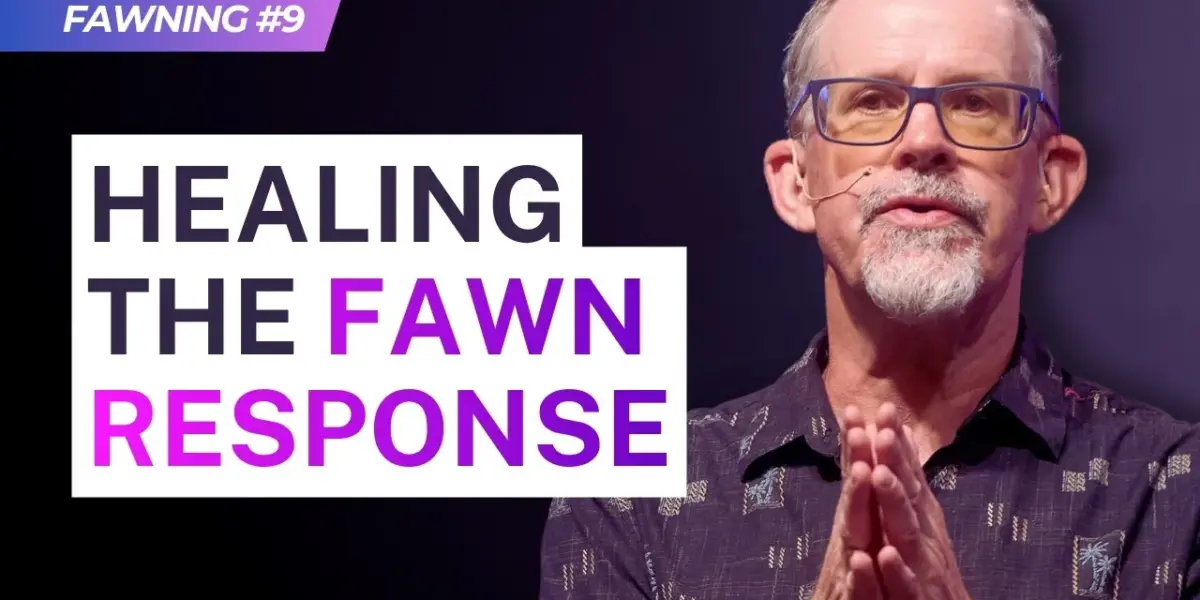
Heal Fawning Response: Find Your Voice and Peace
If you often go out of your way to please others, avoid conflict at all costs, and feel like you lose yourself in relationships, you might be experiencing a ‘fawn response.’ This is a survival instinct, like fight, flight, or freeze, that kicks in when we feel threatened or unsafe. Understanding and healing from fawning can help you build healthier relationships and feel more in control of your life.
Tim Fletcher, a counselor with decades of experience in complex trauma and addiction, explains that fawning is a way the nervous system tries to keep us safe. It’s often developed in childhood when a person feels they must manage the emotions and needs of others to avoid negative consequences. This can lead to people-pleasing behaviors and difficulty setting boundaries in adulthood.
What is the Fawn Response?
Imagine a deer caught in headlights. It freezes, hoping the danger won’t see it. The fawn response is similar, but instead of freezing, the person tries to appease the ‘threat.’ This threat isn’t always a physical danger; it can be the fear of rejection, disapproval, or emotional conflict. People who fawn often become hyper-aware of others’ needs and feelings, trying to prevent any potential upset.
This can look like:
- Always agreeing with others, even if you disagree.
- Difficulty saying ‘no’ to requests.
- Taking on too much responsibility for others’ feelings.
- Feeling responsible for other people’s happiness.
- Staying in relationships or situations that are not good for you.
- Feeling numb or disconnected from your own needs and desires.
Why Does Fawning Happen?
Fawning is a learned survival strategy. It often starts in childhood. If a child grew up in an environment where expressing their own needs led to anger, criticism, or neglect, they might learn to suppress their feelings. Instead, they focus on keeping the peace and making others happy. This helps them feel safer and more accepted. Dr. Ingrid Clayton, an expert in fawning, highlights this connection in her work.
Think of it like this: a child learns that if they are quiet, agreeable, and anticipate what their parent wants, they get less yelling or more attention. This behavior becomes deeply ingrained. As adults, these patterns can continue, affecting friendships, romantic relationships, and even work environments. The person may not even realize they are doing it.
Healing from the Fawn Response
Healing from fawning involves learning to reconnect with your own needs, feelings, and voice. It’s about building a sense of safety within yourself, not just seeking it from others. Fletcher suggests that this is a journey of self-discovery and self-compassion.
Here are some steps that can help:
1. Recognize the Pattern
The first step is simply noticing when you are fawning. Pay attention to your physical sensations and thoughts during interactions. Do you feel a knot in your stomach when someone is upset? Do you find yourself saying ‘yes’ when you want to say ‘no’? Awareness is key to making a change.
2. Validate Your Feelings
Your feelings are valid, even if they were dismissed in the past. Allow yourself to feel anger, sadness, or frustration without judgment. These emotions are signals that something is not right. Learning to sit with these feelings, rather than trying to smooth them over for others, is crucial.
3. Practice Setting Boundaries
Setting boundaries can feel scary, but it’s essential for healthy relationships. Start small. Practice saying ‘no’ to minor requests. You can say something like, ‘I can’t help with that right now, but thank you for asking.’ It’s not about being mean; it’s about respecting your own limits and energy.
4. Reconnect with Your Needs
What do you actually want? What do you need? Take time to check in with yourself. Ask yourself what feels good, what energizes you, and what you enjoy. Make time for activities that nourish you, even if they seem small.
5. Seek Support
Healing from complex trauma and fawning is often easier with support. Connecting with others who understand or working with a therapist can provide guidance and encouragement. Communities focused on trauma recovery, like those Tim Fletcher offers, can be a valuable resource.
Fawning is a protective mechanism that served you well at one point. However, as an adult, it can hinder your ability to form authentic connections and live a fulfilling life. By understanding this response and taking steps toward healing, you can learn to trust yourself, honor your needs, and build relationships based on mutual respect and genuine connection.
Disclaimer: This information is for educational purposes only and is not a substitute for professional medical advice, diagnosis, or treatment. Always seek the advice of your physician or other qualified health provider with any questions you may have regarding a medical condition.
Source: How To Heal From The Fawn Response | Fawning #9 (YouTube)

Related Articles

Heal Fawning: Self-Compassion is Your First Step
Discover how self-compassion can be your most powerful tool in overcoming the fawning response, a survival strategy often rooted in complex trauma. Learn practical steps to reconnect with yourself and build healthier relationships.


Stop People-Pleasing: Unlock Your True Self
Discover how to stop people-pleasing and reclaim your authentic self. Learn to identify the 'fawn response' where you suppress your true needs and opinions to gain approval, and find steps to embrace who you really are.


Stop Shrinking Yourself to Please Others
Learn why constantly trying to please others, known as fawning, can harm your well-being. Discover how to recognize these patterns and start prioritizing your own needs for a healthier life.