Iran Talks Crumble: Ceasefire Unravels Amidst Standoff
Talks between the U.S. and Iran are on the brink of collapse as preconditions remain unmet and fighting continues. Iran is demanding the release of blocked assets and a full ceasefire before negotiations can begin, while both sides appear to be preparing for renewed hostilities rather than de-escalation.

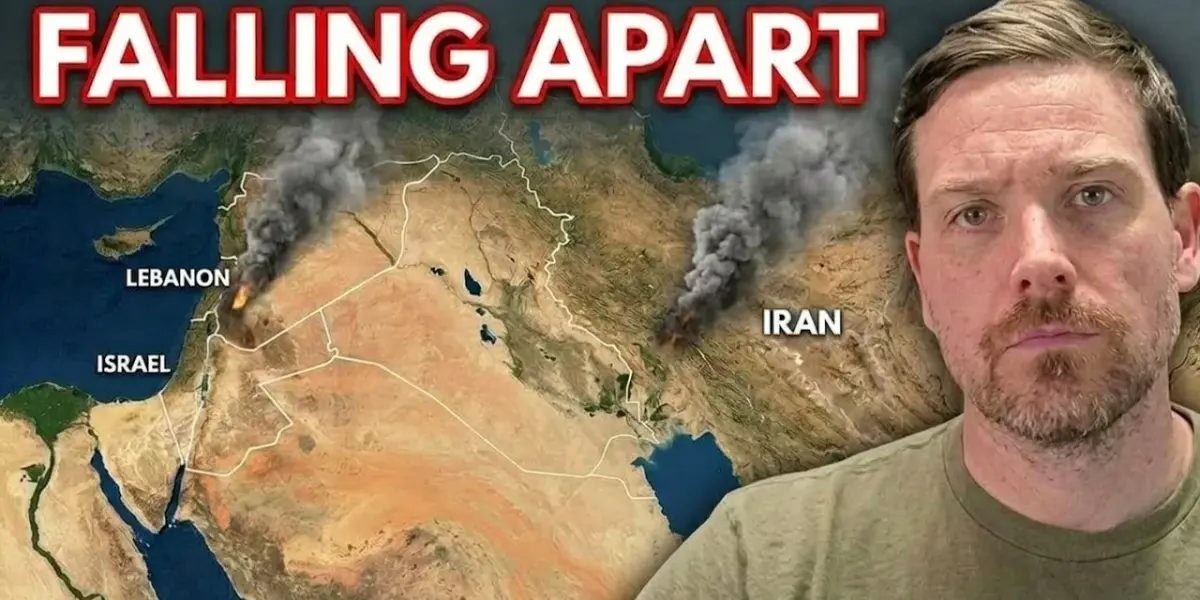
Iran Talks Crumble: Ceasefire Unravels Amidst Standoff
The fragile ceasefire between Iran and the United States, aimed at de-escalating conflict in the Middle East, appears to be on the verge of collapse before it truly began. Both sides are currently posturing and setting conditions, but actions on the ground and statements from Iranian officials suggest a continuation of hostilities is more likely than productive talks.
A Meeting at an Impasse
The United States delegation, led by Vice President JD Vance, has already departed for Pakistan, where talks were scheduled to take place. However, the Iranian delegation has not yet left Iran. Iranian officials are firmly stating that certain conditions must be met before they will even sit down with the United States. Specifically, the speaker of Iran’s parliament, Halib, announced that two mutually agreed-upon measures have not been implemented: a ceasefire in Lebanon and the release of Iran’s blocked assets. These, he stated, are necessary before any negotiations can start.
Unclear Blueprints for Peace
The exact terms of what was agreed upon for these talks remain unclear. Previously, Iran presented a 10-point proposal, which has been described as an Iranian wish list. The U.S. also put forth its own 15-point proposal outlining desired outcomes for the conflict. However, there’s confusion regarding which proposal, if any, is serving as the basis for current discussions. President Trump mentioned Iran’s 10-point plan as a starting point, but this faced criticism for not addressing key issues like Iran’s missile program, proxies, or nuclear activities.
The administration has since suggested there is a different, private 10-point list that the U.S. is working from, adding to the opacity surrounding the preconditions for dialogue. This lack of clarity makes it difficult to understand the true sticking points.
Ceasefire Violations Fuel Distrust
A major hurdle for Iran is the ongoing fighting between Hezbollah and Israel. Despite reports that these groups were included in the ceasefire, attacks from both sides have continued. This persistent conflict is being used by Iran as a reason to refuse to engage in talks. As long as this fighting persists, Iran argues, there is no basis for negotiation.
The Price of Dialogue: Blocked Assets
Another significant demand from Iran, now publicly voiced, is the release of its blocked assets. Gregory Brew, a senior analyst at Eurasia Group, noted that approximately $6 billion in Iranian assets are frozen in Qatar, with another $4 billion held elsewhere. Iran is now reportedly asking for this $10 billion as the price for sitting down with the U.S. This demand, raised after the U.S. delegation had already departed, suggests Iran may be seeking to extract further concessions from the United States.
New Leadership, Harder Line?
Adding another layer of complexity, Iran’s new leadership, under Motab Ham, has adopted a more assertive stance. Ham recently stated that Iran will demand compensation for every injury, “blood money for the martyrs,” and reparations for disabled veterans. He also indicated a plan to advance the management of the Strait of Hormuz to a “new stage.” This rhetoric, coupled with actions like Iran’s assertion that ships must coordinate with the IRGC Navy to avoid destruction and a map showing restricted shipping lanes, suggests Iran may be preparing for renewed hostilities.
Israeli assessments suggest this new leadership may be more radical than its predecessor, a potential step in the wrong direction for regional stability. Despite the damage inflicted on Iran’s missile systems and launch infrastructure during recent operations, Israeli officials warn that Iran is already working to rebuild its capabilities.
Posturing and Preparations
Both sides are engaging in significant posturing. President Trump has been vocal, asserting that Iran is weak and only engaged in talks because the U.S. allows it. Conversely, some argue that Iran’s willingness to come to the table was a response to Trump’s threats of total destruction. The U.S. is also preparing for potential renewed conflict, with President Trump stating they are loading ships with advanced ammunition, suggesting a readiness to re-engage militarily if talks fail.
The argument against a ceasefire from both sides highlights the strategic implications of a pause in fighting. For Iran, a ceasefire allows the U.S. to restock and reposition assets. From a U.S. perspective, Iran might use the pause to rebuild its defenses and relocate its assets, potentially making future operations more difficult. Israel, in particular, is concerned that Iran is already working to restore its missile production capabilities, even while fighting continues.
The Strait of Hormuz: A Constant Flashpoint
The Strait of Hormuz remains a critical point of contention. President Trump had previously stated that the U.S. would stop bombing Iran as long as it allowed free travel through the strait. However, the strait has not been consistently open, and U.S. officials have recently suggested it might take another two months to fully open. This ambiguity and the ongoing Iranian actions related to the strait add to the instability.
Future Outlook: A Short-Lived Pause?
Given the current situation, the outlook for these talks is grim. The conditions set by Iran, the ongoing fighting, the unclear negotiation terms, and the strategic posturing from both sides all point towards a likely restart of hostilities. The current ceasefire, if it can even be called that, may not last much longer, possibly no more than another five days. The conflict appears poised to continue, with both Iran and the U.S. preparing for the possibility of renewed fighting.
Why This Matters
The failure of these talks and the potential resumption of conflict have significant implications for regional stability and global energy markets. The Strait of Hormuz is a vital chokepoint for global oil shipments, and any disruption there can cause oil prices to spike. The ongoing conflict also risks wider escalation, drawing in other regional actors and potentially impacting international security. The inability of the U.S. and Iran to find common ground, even at the negotiation table, highlights the deep-seated mistrust and complex geopolitical challenges that continue to plague the Middle East.
Source: US Iran Talks Falling Apart in Real Time (YouTube)

Related Articles

NATO Allies Urged to Step Up Support for US
Retired Navy SEAL Mike Cirelli urges NATO allies to increase their support for U.S. international efforts, citing delays in crucial operations. NATO's chief acknowledges past slow responses, while Cirelli emphasizes the need for allies to take greater responsibility for global security, especially concerning energy supplies.

Iran Nuclear Talks Heat Up Amid Ceasefire Concerns
The White House is clarifying its stance on Iran's nuclear program, emphasizing that enrichment is off the table. Meanwhile, a high-level delegation is heading to Pakistan for critical talks amid reports of continued hostilities and the alleged closure of the Strait of Hormuz, testing a fragile ceasefire.

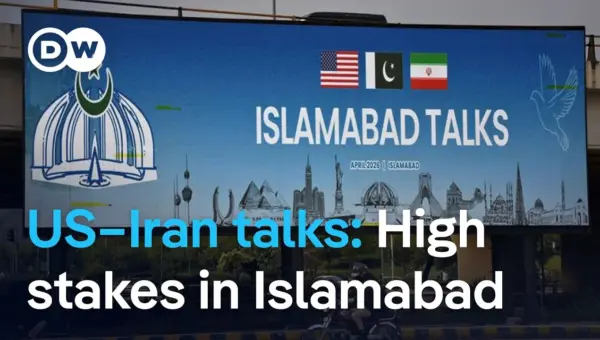
US-Iran Talks Falter Amid Hormuz Standoff, Ceasefire Strain
A fragile ceasefire between the US and Iran is under severe strain as tensions rise over the critical Strait of Hormuz. Both nations accuse each other of violating the terms of a recent deal, while international efforts to secure the vital shipping lane intensify. Crucial peace talks are underway in Pakistan, but deep-seated distrust and maximalist demands from both sides cast doubt on the likelihood of a comprehensive agreement.