Ukraine Strikes Deep: Russia’s War Machine Falters
Ukraine's strategic strikes deep within Russia are crippling its war machine, leading to a 93% drop in Russian territorial gains over two months. Economic strain, infrastructure decay, and technological innovation by Ukraine are placing immense pressure on the Putin regime.

Ukraine Strikes Deep: Russia’s War Machine Falters
Ukraine is shifting its focus from direct front-line battles to striking at the very roots of Russia’s ability to wage war. This strategy aims to cripple Russian industries and systems essential for sustaining the conflict. The effectiveness of these deep strikes is evident in the declining territorial gains made by Russia. In January, Russia advanced approximately 319 square kilometers. By February, this figure dropped to just 123 square kilometers. This month, Russian territorial gains have fallen to a mere 23 square kilometers, representing a 93% decrease in just two months.
Rising Costs and Falling Gains
The cost of these limited advances is also soaring. The personnel cost per square kilometer has increased by 556%. This sharp rise indicates that Russia’s strategy is becoming increasingly inefficient and unsustainable. Experts suggest Russia is in a difficult position, unable to easily recover from its current war-fighting capabilities.
Targeting Systemic Leverage
Ukraine’s approach goes beyond simply defending its territory. It seeks to gain systemic leverage over Russia’s war machine. This involves attacking industries that support the Putin regime, disrupting missile programs, straining budgets, and halting transportation networks. The impact is being felt across Russia, with reports of frozen cash flows and grinding machinery. This widespread burden is no longer confined to military barracks but is spreading throughout the nation.
The Drone War and International Alliances
Innovation is a key aspect of Ukraine’s defense. The country has become a leader in drone warfare. Ukrainian President Zelenskyy’s recent trip to the Middle East secured agreements to help countries defend against Iranian drones. Ironically, Russia itself relies on Iranian drones, often produced with Iranian parts and expertise, even if assembled within Russia. This collaboration between Russia and Iran, both sanctioned nations, highlights a growing partnership against Western interests. Ukraine’s success in drone warfare is notable, with interceptor drones reportedly destroying over 33,000 Russian drones in March alone. By contrast, Russia’s best available technology still comes from Iran.
Economic Strain on Russia
Russia’s economic situation appears increasingly dire. Budget deficits have already surpassed yearly projections, with some data suggesting the reality is even worse. This economic strain is leading to a shortage of police officers as salaries fall and work hours increase. There are also concerns about the government’s ability to fund pensions for the full year. Ukraine’s continued attacks on Russian oil facilities, particularly in the north and south, further exacerbate these economic challenges. These strikes impact Russia’s ability to export oil, as it relies heavily on pipelines and rail transport for distribution.
Infrastructure Under Pressure
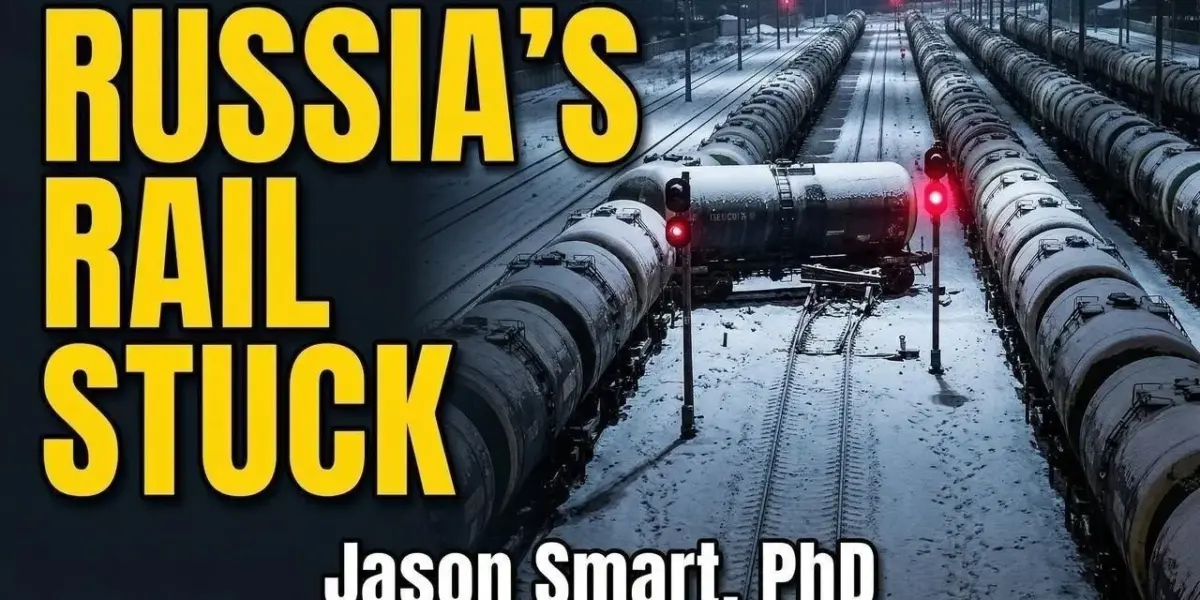
The Russian railway system, crucial for both military logistics and civilian transport, is reportedly in severe decline. Repair numbers have fallen by half, and new wagon output has decreased by over 50%. Russian Railways is cutting approximately 6,000 jobs at its headquarters. One in nine freight cars is considered impaired. The system is reportedly facing bankruptcy with over $50 billion in debt, and the government lacks the necessary funds for repairs. This decay is attributed to years of embezzlement and a lack of essential maintenance, leading to routine derailments.
Internal Dissent and Censorship
The Russian government’s response to these mounting pressures includes increased censorship. Platforms like Telegram have been throttled or shut down, restricting access to news and communication. This censorship fuels public suspicion and raises questions about what the government is trying to hide. Even within Russia, there are growing criticisms from those who previously supported the occupation of Ukraine, suggesting that Putin’s regime may not be acting in Russia’s best interest. The government’s reliance on censorship, a tactic often associated with dictatorships, is seen as a reactive and unsustainable approach.
Robotics and Technological Divide
Ukraine is also demonstrating advancements in robotics for battlefield use. In the first quarter, Ukrainian-made robotics completed over 21,500 missions, with more than 9,000 occurring in March alone. This technological edge contrasts sharply with Russia’s reported use of basic transportation like bicycles and golf carts for some military operations. This technological superiority gives Ukraine a significant advantage in fighting and winning engagements.
Strategic Implications
Ukraine’s strategy of striking deep into Russian territory and targeting its industrial capacity is demonstrating significant success. The declining territorial gains for Russia, coupled with rising costs and economic strain, suggest a faltering war effort. The disruption of critical infrastructure like railways and oil facilities further weakens Russia’s ability to sustain the conflict. This approach not only impacts military operations but also creates systemic pressure on the Putin regime. The increased censorship and internal dissent indicate that the war’s weight is beginning to exceed Russia’s foundational strength, a trajectory from which escape appears increasingly difficult.
Historical Parallels
The current situation in Russia, with its economic strain, decaying infrastructure, and attempts at information control, bears some resemblance to the late stages of the Soviet Union. The inability to sustain costly foreign wars while facing internal economic and logistical challenges ultimately contributed to the Soviet Union’s collapse. While not a direct parallel, the current pressures on Russia’s system echo some of these historical dynamics.
The Role of External Support
The transcript highlights the importance of external support for Ukraine, particularly in areas like drone technology. Donations and fundraising efforts for drones are presented as crucial for maintaining Ukraine’s technological advantage. This underscores the interconnectedness of the conflict and the role of international assistance in bolstering Ukraine’s defense capabilities.
Source: Putin Offensive Just BROKE (YouTube)

Related Articles

Putin Purges Defense Circle Amid War Woes
President Putin is reportedly purging allies of Defense Minister Sergei Shoigu, arresting deputies on corruption charges. This move may aim to deflect blame for military failures or weaken Shoigu's influence amid growing internal dissent.

NATO Allies Urged to Step Up Support for US
Retired Navy SEAL Mike Cirelli urges NATO allies to increase their support for U.S. international efforts, citing delays in crucial operations. NATO's chief acknowledges past slow responses, while Cirelli emphasizes the need for allies to take greater responsibility for global security, especially concerning energy supplies.

Trump’s NATO Frustration Fuels Exit Threats, Alliance Faces Crisis
President Trump's frustration with NATO allies over Iran policy has intensified, leading to renewed threats of withdrawal. While legal avenues exist to potentially block a full exit, the U.S. could significantly weaken the alliance by simply withdrawing support and troops, raising concerns among European nations.