Iran Uses Strait of Hormuz to Pressure Israel-Lebanon Truce
The Strait of Hormuz remains largely blocked with over 3,000 ships waiting, despite a ceasefire agreement. Escalating conflict in Lebanon and Iran's demands for asset release and a Lebanese ceasefire are jeopardizing peace talks. This disruption impacts global energy markets and highlights the region's strategic importance.

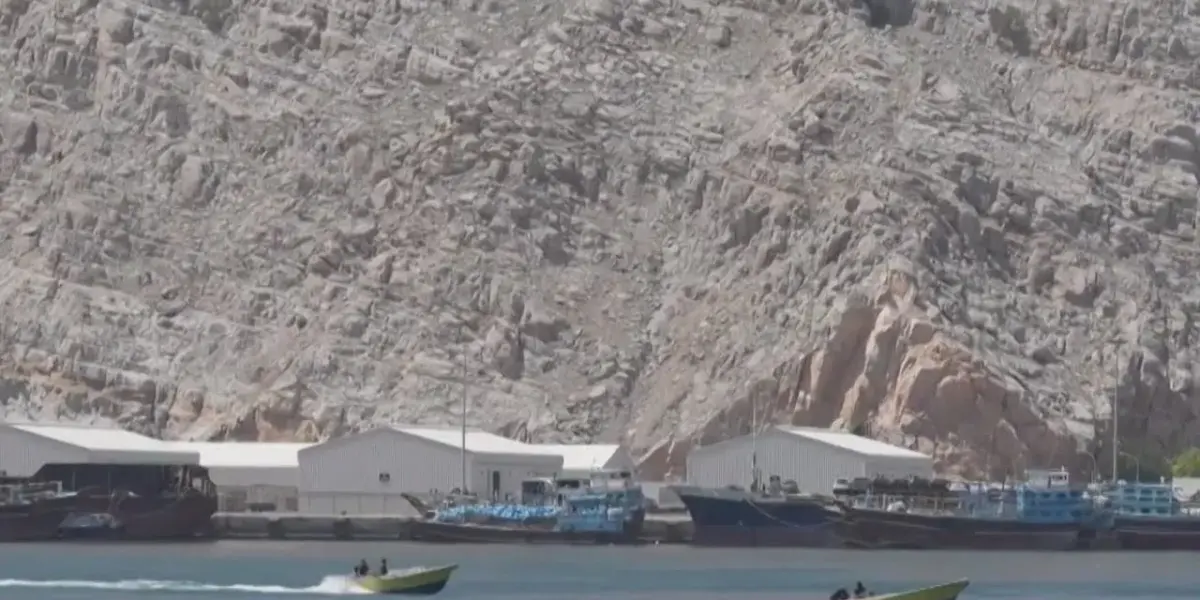
Strait of Hormuz Remains Blocked Amid Escalating Lebanon Conflict
The critical Strait of Hormuz, a vital waterway for global oil shipments, remains largely blocked. This comes despite a ceasefire agreement that was supposed to reopen the passage. Over 3,000 vessels, mostly oil tankers and cargo ships, are now waiting to pass through.
Lebanon Conflict Threatens Peace Talks
The ongoing conflict in Lebanon is escalating and was not part of the initial ceasefire talks. U.S. President Trump has urged Israeli Prime Minister Netanyahu to reduce attacks. This is because the continued fighting could jeopardize peace negotiations.
Iran’s Demands for Ceasefire
Iran has laid out two main conditions for its cooperation. First, a ceasefire must be established in Lebanon. Second, Iran demands the release of its frozen financial assets, which have been held for years. These demands are crucial for Iran’s participation in further discussions.
Escalation in Lebanon
Day three of the ceasefire between the U.S., Israel, and Iran is underway. However, increased fighting between Israel and Hezbollah is putting the agreement at risk. Hezbollah has fired missiles deeper into Israel, targeting the southern port city of Ashdod. Israel has responded with airstrikes into Lebanon.
Humanitarian Crisis Worsens in Lebanon
Lebanon is observing a national day of mourning following deadly attacks. The humanitarian crisis there is worsening significantly. Nearly 500 people have been killed in the past two days alone. Around 1 million people are now displaced, and Lebanese hospitals are struggling to cope with the influx of casualties. This dire situation adds pressure to the upcoming ceasefire talks scheduled between the U.S. and Iran.
Strait of Hormuz Traffic Hindered
The Strait of Hormuz is not yet fully open. Iran has stated it will not fully reopen the strait until fighting in Lebanon stops. They are currently only allowing a small number of ships to pass. Normally, about 120 ships use the strait daily. Now, only about a dozen are getting through. This control over shipping traffic is a key point of leverage for Iran.
Negotiations and Confusion
Israeli strikes on Lebanon could render the current negotiations meaningless. Prime Minister Netanyahu has stated Israel will begin direct negotiations with Lebanon. However, military action against Hezbollah will continue. Hezbollah is identified as an Iran-backed group. All attention is now focused on Pakistan, where diplomatic efforts are hopefully aiming for a resolution. There is considerable confusion about the exact status of negotiations involving Iran, Lebanon, and Hezbollah, as all parties express a desire to end the fighting.
Global Impact
The continued blockage of the Strait of Hormuz has significant global economic consequences. This waterway is essential for transporting crude oil from the Persian Gulf to the rest of the world. Any disruption can lead to higher oil prices and affect global energy markets. The delay in shipments can disrupt supply chains for various industries worldwide. The ongoing conflict and its impact on this vital shipping lane highlight the fragility of international trade routes in times of geopolitical tension.
Historical Context
The Strait of Hormuz has historically been a flashpoint. Its strategic importance has led to various international incidents and diplomatic efforts to ensure freedom of navigation. Control or disruption of this strait has often been used as a tool by regional powers to exert influence. Past tensions have shown how quickly events in this region can impact global energy security and international relations.
Economic Leverage and Future Scenarios
Iran is using its control over the Strait of Hormuz as economic leverage. By restricting traffic, it pressures other nations to address its demands regarding frozen assets and the conflict in Lebanon. This tactic highlights the interconnectedness of regional conflicts and global economics. Future scenarios depend heavily on the success of diplomatic efforts in Pakistan. If talks fail, the Strait of Hormuz could remain partially or fully closed, leading to further economic instability. A successful negotiation could see traffic resume, easing market concerns. However, the deep-seated issues between the involved parties suggest that achieving lasting peace and open trade routes will be challenging.
Source: Shipping traffic through Hormuz remains at standstill despite ceasefire | NewsNation Live (YouTube)

Related Articles

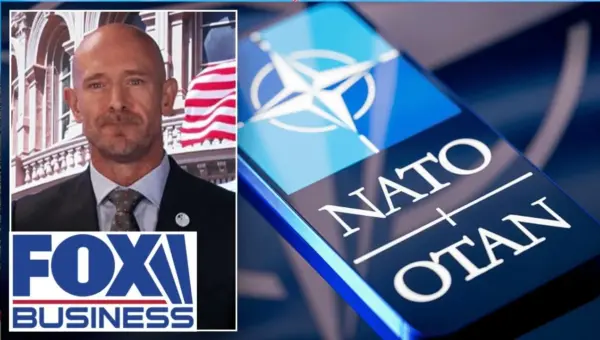
NATO Allies Urged to Step Up Support for US
Retired Navy SEAL Mike Cirelli urges NATO allies to increase their support for U.S. international efforts, citing delays in crucial operations. NATO's chief acknowledges past slow responses, while Cirelli emphasizes the need for allies to take greater responsibility for global security, especially concerning energy supplies.

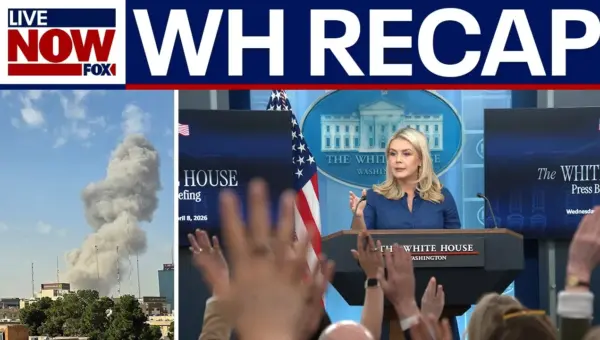
Iran Nuclear Talks Heat Up Amid Ceasefire Concerns
The White House is clarifying its stance on Iran's nuclear program, emphasizing that enrichment is off the table. Meanwhile, a high-level delegation is heading to Pakistan for critical talks amid reports of continued hostilities and the alleged closure of the Strait of Hormuz, testing a fragile ceasefire.
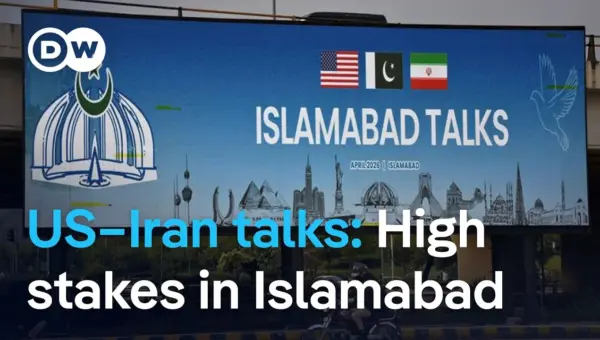
US-Iran Talks Falter Amid Hormuz Standoff, Ceasefire Strain
A fragile ceasefire between the US and Iran is under severe strain as tensions rise over the critical Strait of Hormuz. Both nations accuse each other of violating the terms of a recent deal, while international efforts to secure the vital shipping lane intensify. Crucial peace talks are underway in Pakistan, but deep-seated distrust and maximalist demands from both sides cast doubt on the likelihood of a comprehensive agreement.