US Readies Forces to Reopen Strait of Hormuz
The Strait of Hormuz remains largely blocked despite a U.S.-Iran ceasefire, with Iran demanding high tolls and providing IRGC escorts. The U.S. has deployed naval and air assets, including F-15s and mine-sweeping helicopters, signaling readiness to ensure freedom of navigation. The situation raises questions about Iran's control over the IRGC and the potential for further military action.


Strait of Hormuz Remains Blocked Despite Ceasefire
As of April 10th, 2026, the vital Strait of Hormuz remains largely closed to international shipping. This situation persists despite a recent ceasefire agreement between the United States and Iran, which included Iran’s commitment to reopen the strait. Only a small number of vessels, estimated at five or six, have transited the waterway in the past 24 hours. This is a stark contrast to the usual flow of approximately 140 ships per day.
Iran Imposes Heavy Tolls and Demands
Iran is reportedly demanding significant fees, as high as $2 million per ship, for passage through the strait. Furthermore, Iranian forces are providing escorts for these limited transits. The nature of these escorts, particularly from the Islamic Revolutionary Guard Corps (IRGC) given the reported damage to Iran’s naval capabilities, has been questioned. Some observers wonder if these escorts are even effective, with one commentator humorously suggesting they might involve nothing more than rowboats.
President Trump Issues Warning, Military Assets Mobilized
Former President Trump has publicly condemned the situation, calling it “dishonorable.” He has also issued a warning of potential further action if the free flow of ships through the Strait of Hormuz is not immediately restored. In response to the ongoing blockade, naval assets have been deployed to the region. These include F-15 and F-18 fighter jets, drones, and specialized mine-sweeping helicopters. These assets are reportedly being prepared to escort oil tankers and other commercial vessels through the strait.
Questions Linger Over Diplomatic Resolution and IRGC Control
The key question remains whether diplomatic negotiations will succeed in compelling the IRGC to fully reopen the Strait of Hormuz. There is also speculation about internal divisions within Iran’s military structure. It is possible that hardline factions within the IRGC are maintaining control over the strait, potentially acting independently of the central Iranian government’s authority. This could explain Iran’s inability or unwillingness to fully comply with the ceasefire terms regarding maritime passage.
Strategic Implications
The Strait of Hormuz is a critical chokepoint for global oil supply. Approximately 20-30% of the world’s oil passes through this narrow waterway daily. Any disruption here has immediate and significant impacts on global energy markets, potentially leading to price spikes and supply shortages. The presence of U.S. naval assets, including advanced fighter jets and mine-clearing helicopters, signals a readiness to use military force to ensure freedom of navigation. This could escalate tensions in the region, even in the context of a ceasefire.
Historical Parallels
The situation echoes past conflicts and tensions in the Persian Gulf where control of maritime chokepoints has been a major strategic objective. During the Iran-Iraq War in the 1980s, both sides targeted shipping in the Strait of Hormuz, leading to U.S. naval intervention to protect oil tankers and ensure the free flow of commerce. This historical precedent highlights the strategic importance of the strait and the potential for external powers to become involved when its passage is threatened.
Understanding the Military Assets
The deployment of F-15 and F-18 fighter jets signifies air superiority and the ability to project power over the strait. These aircraft can provide close air support and interdict any threats to shipping. Drones offer persistent surveillance and reconnaissance, allowing commanders to monitor the situation closely. Mine-sweeping helicopters are crucial for ensuring the safety of vessels, as mines pose a significant threat to naval operations in confined waterways. Their presence indicates a preparedness for potential naval mine warfare.
Geopolitical Ramifications
The continued closure of the Strait of Hormuz, even after a ceasefire, complicates regional diplomacy. It puts pressure on the Biden administration to demonstrate resolve while avoiding a wider conflict. The situation also tests the effectiveness of international sanctions and diplomatic pressure on Iran. Global energy security remains a primary concern, and nations heavily reliant on oil imports will be closely watching developments. The actions taken by the U.S. and Iran in the coming days will have significant implications for stability in the Middle East and beyond.
Source: The INSANE U.S. Military Operation to Open the Strait of Hormuz (YouTube)

Related Articles

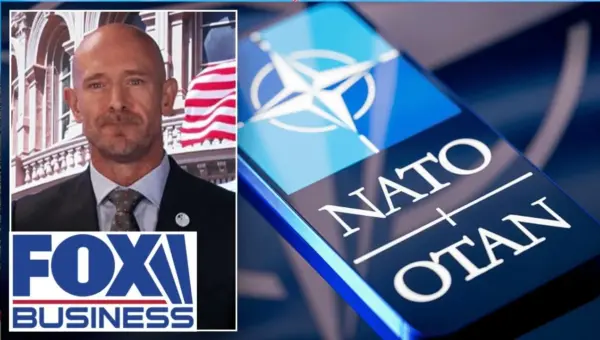
NATO Allies Urged to Step Up Support for US
Retired Navy SEAL Mike Cirelli urges NATO allies to increase their support for U.S. international efforts, citing delays in crucial operations. NATO's chief acknowledges past slow responses, while Cirelli emphasizes the need for allies to take greater responsibility for global security, especially concerning energy supplies.

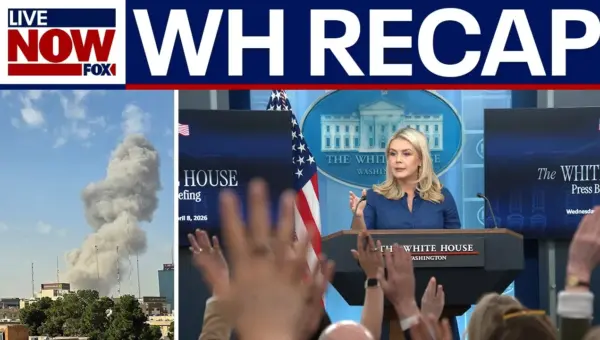
Iran Nuclear Talks Heat Up Amid Ceasefire Concerns
The White House is clarifying its stance on Iran's nuclear program, emphasizing that enrichment is off the table. Meanwhile, a high-level delegation is heading to Pakistan for critical talks amid reports of continued hostilities and the alleged closure of the Strait of Hormuz, testing a fragile ceasefire.

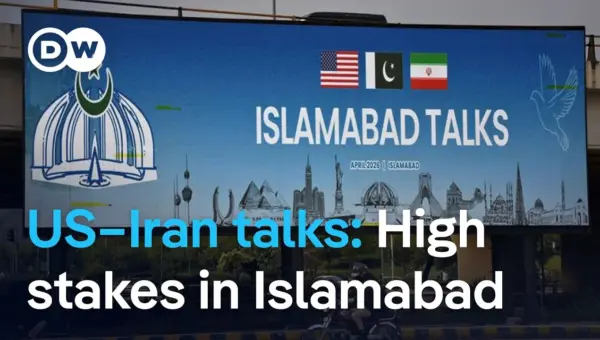
US-Iran Talks Falter Amid Hormuz Standoff, Ceasefire Strain
A fragile ceasefire between the US and Iran is under severe strain as tensions rise over the critical Strait of Hormuz. Both nations accuse each other of violating the terms of a recent deal, while international efforts to secure the vital shipping lane intensify. Crucial peace talks are underway in Pakistan, but deep-seated distrust and maximalist demands from both sides cast doubt on the likelihood of a comprehensive agreement.