Market Rallies Despite Ceasefire Deal Doubts
Global markets are climbing despite doubts over a Middle East ceasefire deal and a historic drop in U.S. consumer confidence. Investors seem to be betting on de-escalation, even as high prices erode household finances.

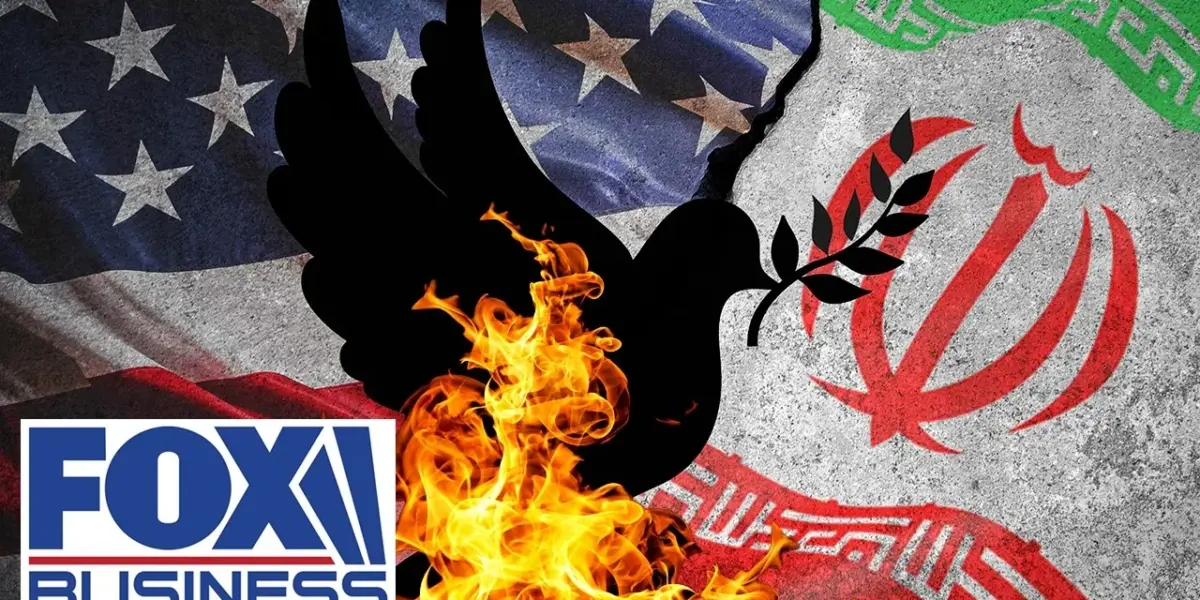
Markets Climb as Ceasefire Uncertainty Lingers
Global stock markets have shown surprising strength, with major indexes like the Dow Jones Industrial Average and S&P 500 posting weekly gains of over 3.5% and the Nasdaq climbing 4.3%. This rally comes despite ongoing doubts about the effectiveness of a recently brokered ceasefire deal in a key geopolitical region and a significant drop in consumer confidence. The market’s upward movement suggests investors may be pricing in a de-escalation of conflict, even as underlying concerns remain.
Ceasefire Deal Faces Scrutiny
While the White House has extended an “open hand” for good-faith negotiations, signaling a willingness to extend the ceasefire, there are significant concerns about Iran’s adherence to the terms. Reports indicate that shipping traffic through the Strait of Hormuz has not returned to pre-conflict levels, instead trickling through at a bare minimum. This suggests that the expected benefits of the deal, such as easing global oil prices and boosting market sentiment, may not be fully materializing. Some analysts believe the Iranian regime might be “playing games,” using the ceasefire to consolidate its position and assert dominance in the region.
Allies’ Support Questioned
The article also touches upon the support provided by U.S. allies. While some nations are now reportedly offering logistical and auto support, there’s a sentiment that this assistance was slow to arrive and that some allies were caught off guard. The implication is that the burden of maintaining stability in the region has fallen heavily on the United States, with allies scrambling to catch up after initial delays.
Consumer Confidence Hits Historic Low
Adding a layer of concern to the market’s optimism is a sharp decline in consumer confidence. The University of Michigan’s Consumer Sentiment Index has fallen to its lowest point since 1970, reaching a reading of 47.6. This broad-based deterioration affects all demographics and political affiliations, indicating widespread economic anxiety. A significant factor contributing to this sentiment is the impact of high prices, with 48% of consumers spontaneously mentioning that rising costs are eroding their finances. This figure is up from 47% last month and 38% a year ago.
Inflationary Pressures Persist
While oil prices have seen some decline, dropping to around $99 a barrel from previous highs, the inflationary impact on consumers is expected to be felt with a lag. Even if oil prices stabilize or fall, the costs are often spread throughout the supply chain over several months. Businesses may absorb some of these costs through promotional activities, but consumers are likely to face higher prices eventually. This disconnect between falling commodity prices and persistent consumer inflation could continue to weigh on sentiment.
Market Impact and Investor Outlook
What Investors Should Know
The current market rally appears to be driven by the belief that the immediate downside risks from the geopolitical conflict have passed. Investors seem to be looking past the immediate uncertainties, focusing on the potential for a return to stability. However, the sharp drop in consumer confidence and persistent inflationary pressures present significant headwinds. The market’s reaction to future developments in the ceasefire talks and the broader economic landscape will be critical.
The situation highlights the complex interplay between geopolitical events, commodity prices, and consumer sentiment. While markets may have priced in a resolution or at least a de-escalation, the real-world impact on household finances and the broader economy remains a significant concern. Investors should monitor consumer confidence data closely, as it often serves as a leading indicator for economic activity and corporate earnings.
Furthermore, the discussion around private credit funds, with some planning to raise significantly smaller amounts than before, suggests a more cautious approach in certain financial sectors. This could indicate a shift towards nimbler, less leveraged investment strategies in response to market volatility and redemption pressures. The performance of major asset managers in this space, such as Blackstone, KKR, and Apollo, is being watched closely as a potential barometer for the health of the alternative investment market.
In conclusion, while the stock market is showing resilience, the underlying economic conditions, particularly consumer sentiment and inflation, warrant careful observation. The effectiveness of the ceasefire and the broader geopolitical stability will continue to be key determinants of market direction in the coming months.
Source: 'CEASEFIRE CON': Is the deal collapsing? (YouTube)

Related Articles


NATO Allies Urged to Step Up Support for US
Retired Navy SEAL Mike Cirelli urges NATO allies to increase their support for U.S. international efforts, citing delays in crucial operations. NATO's chief acknowledges past slow responses, while Cirelli emphasizes the need for allies to take greater responsibility for global security, especially concerning energy supplies.

Oil Prices Hold Steady Amid Iran Tensions, Inflation Eases
Oil prices remain below $100 a barrel despite rising tensions with Iran, as inflation shows signs of cooling. While diplomatic talks face significant hurdles, Saudi Arabia's pipeline capacity and falling food prices offer some economic stability. Investors remain cautious, weighing geopolitical risks against easing price pressures.

Trump’s NATO Frustration Fuels Exit Threats, Alliance Faces Crisis
President Trump's frustration with NATO allies over Iran policy has intensified, leading to renewed threats of withdrawal. While legal avenues exist to potentially block a full exit, the U.S. could significantly weaken the alliance by simply withdrawing support and troops, raising concerns among European nations.