Buttigieg Questions Trump’s Shifting Stance on Iran Deal
Pete Buttigieg questions Donald Trump's evolving demands on Iran, contrasting initial calls for "unconditional surrender" with later ambiguity. The discussion revisits the effectiveness of the Obama-era Iran nuclear deal, with Buttigieg arguing it was undermined by Trump's withdrawal.

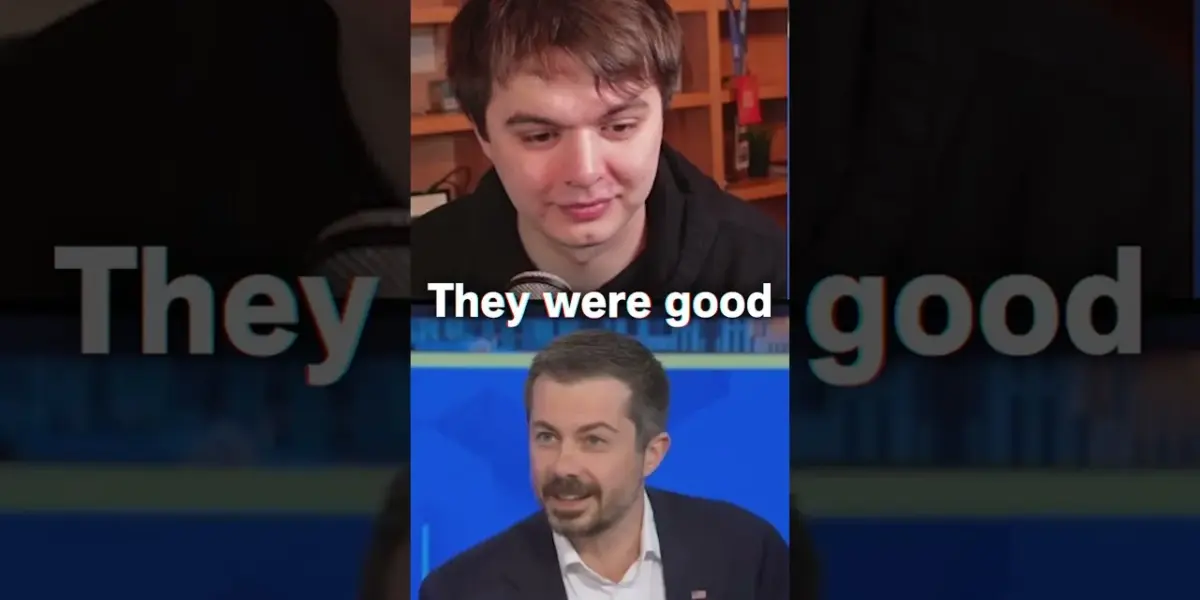
Buttigieg Questions Trump’s Shifting Stance on Iran Deal
Transportation Secretary Pete Buttigieg recently questioned former President Donald Trump’s changing demands regarding Iran. A key point of discussion involved Trump’s initial call for “unconditional surrender” from Iran, a stark contrast to later statements where the outcome seemed less certain.
The Shifting Demands
Buttigieg pointed out that Trump’s stance appeared to soften over time. What started as a demand for immediate, unconditional surrender seemed to evolve into a more ambiguous position. This shift raises questions about the strategy and goals behind the United States’ approach to Iran.
The conversation also touched upon the Strait of Hormuz, a vital shipping lane. Concerns were raised about potential disruptions if tensions escalate. The situation was framed as potentially worse than before, especially if Iran were to develop nuclear weapons. This highlights the delicate balance of power and the potential for conflict in the region.
Debating Past Policies
The discussion then turned to the Obama administration’s nuclear deal with Iran, known as the Joint Comprehensive Plan of Action (JCPOA). A common Republican talking point suggests the deal failed. However, Buttigieg argued that the JCPOA did not get a chance to fully work because President Trump withdrew the U.S. from it.
The reason why it didn’t work is because Donald Trump tore it up himself. It didn’t get the chance to work.
This perspective suggests that the deal had the potential for success. The implication was that Iran might have been willing to renegotiate or extend the terms of the agreement after an initial period. This historical context is crucial for understanding current foreign policy debates.
Historical Context of the JCPOA
The JCPOA was an agreement reached in 2015 between Iran and several world powers, including the United States. Its main goal was to prevent Iran from developing nuclear weapons in exchange for relief from economic sanctions. The deal included strict limitations on Iran’s nuclear program and robust international inspections.
However, the agreement was controversial from the start. Critics argued that it did not go far enough to curb Iran’s nuclear ambitions or address its other activities, such as ballistic missile development and support for regional proxies. The Trump administration officially withdrew the U.S. from the JCPOA in May 2018, reimposing sanctions on Iran.
The “Close Enough” Argument
A critical point of contention was whether Iran was close to acquiring nuclear weapons before or after the JCPOA. Buttigieg challenged the idea that the Obama administration’s approach was ineffective. He questioned whether Iran obtained nuclear weapons during Obama’s tenure.
The response suggested that Iran came “close enough within months” to developing a nuclear weapon. This statement implies that the JCPOA, or at least the diplomatic path pursued under Obama, was actively preventing Iran from reaching that threshold. The effectiveness of diplomatic solutions versus more aggressive tactics remains a central theme in foreign policy discussions.
Why This Matters
This debate is significant because it touches upon critical issues of international security, diplomacy, and the effectiveness of different foreign policy approaches. The U.S. stance on Iran has a direct impact on regional stability and global non-proliferation efforts.
Understanding the history of the JCPOA and the differing interpretations of its success or failure is vital. It helps to explain current geopolitical tensions and the ongoing debate about how to best manage relations with Iran. The credibility of U.S. foreign policy and its commitment to international agreements are also at stake.
Implications and Future Outlook
The shifting rhetoric from political figures like Trump, and the responses from officials like Buttigieg, highlight the complex and often unpredictable nature of international relations. The potential for conflict, the economic consequences of sanctions, and the long-term goal of preventing nuclear proliferation all depend on consistent and clear foreign policy objectives.
The future outlook remains uncertain. Whether diplomatic channels can be reopened effectively or if a more confrontational path will be pursued depends on many factors. These include domestic politics in both the U.S. and Iran, as well as the actions of other international players. The effectiveness of past agreements and the lessons learned from them will undoubtedly shape future strategies.
Source: Pete Buttigieg Calls Out Trump Backing Off #politics #fyp #new (YouTube)

Related Articles

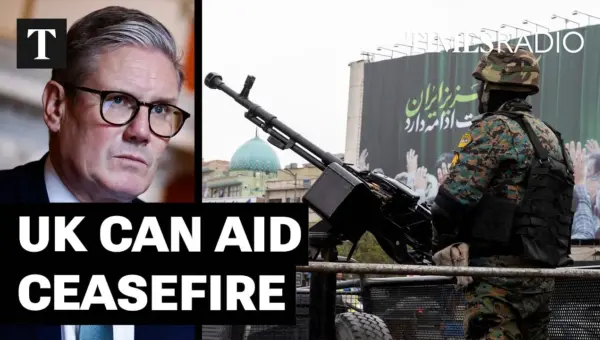
UK Offers Iran Negotiation Insight to Aid Trump’s Stalled Deal
The UK is offering its diplomatic expertise to the US to help President Trump navigate complex negotiations with Iran. As talks loom amidst uncertainty and strained UK-US relations, London believes its experience can aid in achieving a settlement and reopening the Strait of Hormuz. Discussions also highlight the UK's defense readiness and its role in regional stability.
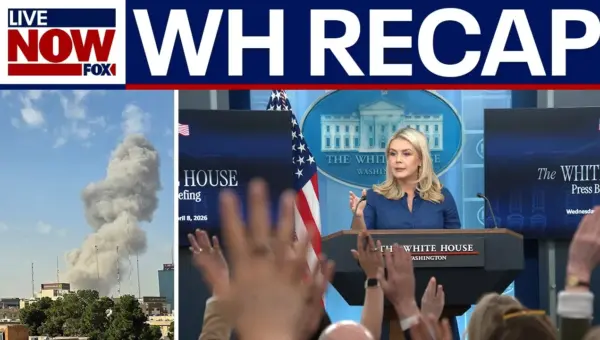
Iran Nuclear Talks Heat Up Amid Ceasefire Concerns
The White House is clarifying its stance on Iran's nuclear program, emphasizing that enrichment is off the table. Meanwhile, a high-level delegation is heading to Pakistan for critical talks amid reports of continued hostilities and the alleged closure of the Strait of Hormuz, testing a fragile ceasefire.

Trump Health Scare Sparks Probe into Medical Records
An urgent investigation has been launched into Donald Trump's medical records following a recent health scare. The probe aims to uncover how private health details were exposed and whether privacy laws were violated. This situation highlights the critical need for robust data security and patient confidentiality, even for public figures.