Democrats Push Iran War Powers Act, Sparking Debate
House Democrats are seeking Republican support for a War Powers Resolution against Iran, sparking debate over presidential authority and foreign policy. The DNC's silence on Israel further fueled political divisions, raising concerns about anti-Semitism within the party and its implications for U.S.-Israel relations.

Democrats Push Iran War Powers Act, Sparking Debate
House Democrats are actively discussing a plan with Republicans to pass a War Powers Resolution aimed at limiting President Trump’s military actions against Iran. House Minority Leader Hakeem Jeffries stated that Democrats are seeking a few Republican votes to join them in stopping what he called a “reckless war of choice.” He specifically mentioned needing support from lawmakers like Mike Lawler and Nicole Malliotakis to end the conflict quickly.
However, not all lawmakers agree with this approach. Representative Nicole Malliotakis, when asked about the resolution, said she voted against it and would do so again. She acknowledged that Congress needs to discuss the situation after the initial 60-day period the President has, and that members from both parties do not want the war to continue. Yet, she pointed out that significant damage was done to Iran within five weeks, and Iran is a major funder of terrorism through groups like Hezbollah and Hamas. Malliotakis believes the President should be allowed to handle the situation while negotiations proceed.
Understanding the War Powers Resolution
A War Powers Resolution is a congressional action that aims to clarify Congress’s constitutional authority to declare war. When passed, it can limit the President’s ability to commit U.S. forces to armed conflict without congressional approval. However, the resolution mentioned in this discussion is described as nonbinding. This means it doesn’t carry the force of law but serves as a strong statement of Congress’s opinion or intent.
Concerns Over a “Double Standard”
Malliotakis raised concerns about a potential double standard in how Congress handles presidential military actions. She reminded Democrats that President Obama conducted military strikes in Libya for seven months, and President Clinton exceeded the 60-day mark. She feels that by pushing this resolution now, Democrats might be undermining the President’s efforts to protect the world from nuclear weapons and stop terrorist funding. She suggested this action could be used as propaganda by Iran.
DNC’s Stance on Israel Creates Further Division
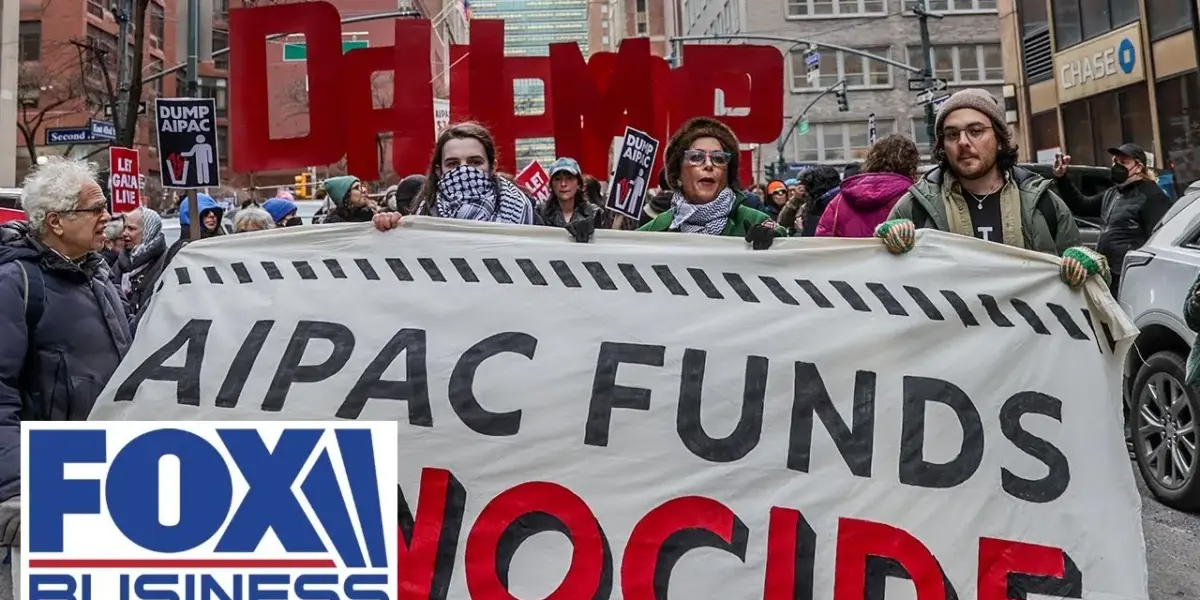
The discussion also touched upon the Democratic National Committee’s (DNC) decision not to take a stand on Israel. Stuart, the interviewer, questioned if this indicated Democrats were giving too much power to anti-Semites within the party. Malliotakis agreed that a left-wing faction within the Democratic Party is openly supportive of anti-Semitism and has members who have used anti-Semitic rhetoric.
She highlighted the importance of the U.S.-Israel relationship, noting that organizations like AIPAC (American Israel Public Affairs Committee) support politicians from both parties who believe in this crucial alliance. This relationship is vital for security and military partnerships against terrorism. Malliotakis felt the DNC should have taken a stronger stance in defending AIPAC but was glad they did not adopt the resolution. She criticized what she called “anti-Semitic left-wing advocates” who she believes fueled protests on college campuses and support the Boycott, Divestment, and Sanctions (BDS) movement against Israel. She finds it “ludicrous” that any political party would embrace such positions, especially when they appear to support groups like Hamas and Hezbollah.
Market Impact
The political back-and-forth regarding Iran and the DNC’s stance on Israel could have indirect impacts on market sentiment. Geopolitical tensions, particularly those involving potential military action or significant shifts in foreign policy, can create uncertainty. Investors often react to such uncertainty by becoming more cautious, which can affect stock markets and commodity prices. For instance, instability in the Middle East can sometimes lead to fluctuations in oil prices. However, the nonbinding nature of the War Powers Resolution and the DNC’s internal debate might limit immediate, direct market reactions. The focus remains on how these political developments could influence future U.S. foreign policy and international relations.
What Investors Should Know
Investors should pay close attention to how these political discussions evolve. While the immediate impact might be minimal due to the nonbinding nature of the resolution, any escalation of tensions or significant policy changes could affect global markets. The ongoing debate highlights divisions within the Democratic party regarding foreign policy and its relationship with Israel. Understanding these internal party dynamics is important for assessing potential future policy directions. Investors should monitor any developments that could lead to increased geopolitical risk or affect international trade and energy markets.
Source: SERIOUS BREAK: Alarm bells RING over Democrats' TROUBLING stance on Israel (YouTube)

Related Articles

Senator Slams Jeffries’ Iran Stance, Cites Nuclear Threat
Senator Rick Scott sharply criticized House Democratic Leader Hakeem Jeffries over his stance on Iran, calling him an "idiot" for seeking to limit the President's authority. Scott highlighted the threat of Iran developing nuclear weapons. The discussion also covered President Trump's stance on NATO and the ongoing DHS funding shutdown.


Ukraine War: Brutal Combat Footage Reveals Tactics
Intense combat footage from Ukraine reveals brutal tactics and high casualties. A detailed analysis of battles near Berdychi and the fight for Nadiia showcases combined arms warfare, infantry vulnerability, and the critical role of command and control. The conflict's ongoing nature continues to impact global markets.
Trump Criticizes Iran as Oil Deal Hits Snags
President Trump has criticized Iran's handling of oil shipments through the Strait of Hormuz, adding uncertainty to a fragile deal. Despite geopolitical tensions, markets have shown resilience, but concerns linger over potential inflation and economic growth.