California Hospice Fraud Ring Stole $267M
A massive $267 million Medicare fraud scheme has been uncovered in California, leading to the arrest of 21 individuals. Criminals allegedly used stolen identities from the dark web to purchase and operate 14 hospice companies, billing for services that were never provided. Authorities seized millions in cash and assets during recent raids.

California Hospice Fraud Ring Stole $267M
California officials have exposed a massive fraud scheme that stole $267 million from Medicare. Criminals used stolen identities from the dark web to bill for hospice care that was never given. The scheme involved buying up 14 hospice companies and using fake records to make false claims.
Raids and Arrests Uncover the Scheme
This week, law enforcement raided several homes in Los Angeles as part of a large operation. Body camera video showed agents breaking down doors and taking people into custody. In total, 21 people have been charged with healthcare fraud, money laundering, and identity theft. They are accused of using stolen identities, including those of people from out of state, to bill for fake hospice services.
How the Fraud Worked
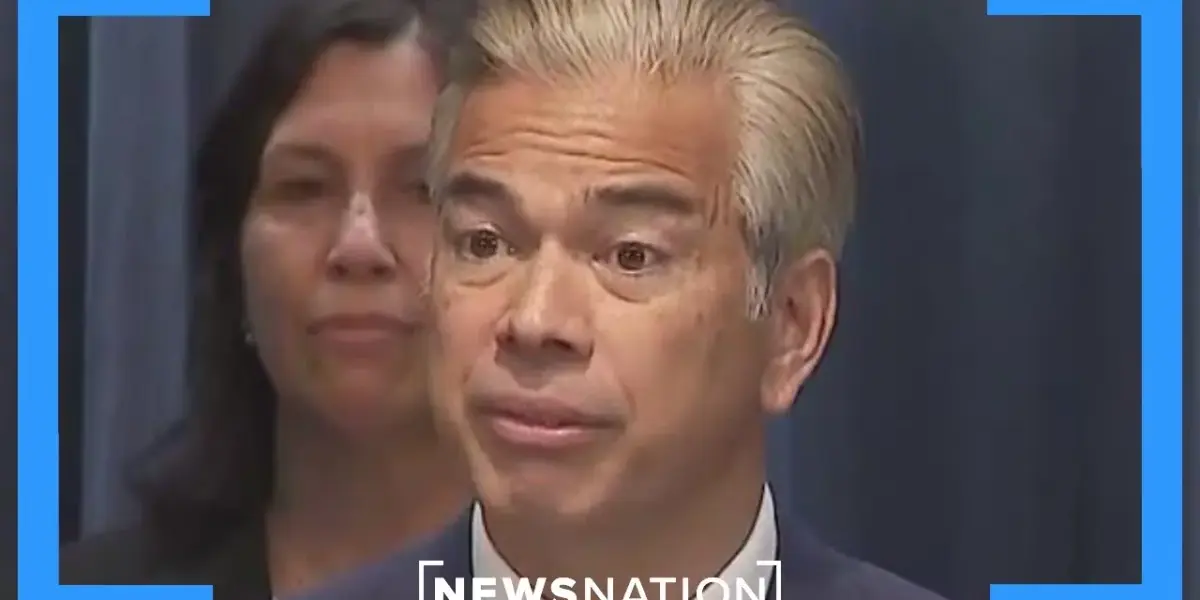
California Attorney General Rob Bonta called the operation “Skipped Race.” He said it uncovered and stopped a hospice fraud scheme that defrauded Medicare of $267 million. The criminals used “straw owners” – people who legally own a company but are just fronts – to buy many hospice companies. Then, they started billing Medi-Cal (California’s Medicaid program) for services that were never provided to the people whose identities were stolen. These supposed patients were often healthy, lived far away, or were completely unaware their identities were being used.
To make the fake claims look real, the fraudsters used made-up patient records, claimed to have nonexistent offices, and invented medical diagnoses. The goal was simply to justify sending bills to Medicare for services that never happened.
Massive Amounts of Money and Goods Seized
During the raids, authorities seized about $7.15 million in cash. They also found two handguns and other assets. Investigators believe around $30 million has already been recovered from the stolen funds. This bust comes after a separate large raid earlier in the week and follows months of reporting on widespread Medicaid fraud in states like Minnesota.
Political Accusations Fly
When asked if this crackdown was a response to pressure from the White House or public attention from figures like Dr. Oz, who has been highlighting fraud issues in California recently, Attorney General Bonta pushed back. He suggested that some individuals are more interested in political talking points than in finding real solutions to complex problems. Bonta stated that his office has been fighting fraud in California long before these recent calls for action. He implied that some critics, like Dr. Oz, have made brief public appearances to draw attention to the issue without doing the ongoing investigative work required to solve it.
Global Impact
While this specific case is a domestic issue within the United States, it highlights a growing problem of healthcare fraud that costs taxpayers billions each year. The use of stolen identities, often sourced from the dark web, shows how digital crime networks can be used to commit large-scale financial fraud. This type of crime drains public funds that could be used for actual healthcare services. It also erodes trust in healthcare systems and government programs designed to help those in need.
Historical Context
Healthcare fraud is not a new problem. For decades, criminals have found ways to exploit government programs like Medicare and Medicaid. Past schemes have involved billing for unnecessary procedures, upcoding services (billing for more expensive services than were provided), or creating fake medical practices. What’s new in cases like this is the scale of the operation, the sophisticated use of stolen identities from online sources, and the speed at which companies can be bought and exploited.
Economic Leverage and Motivation
The motivation for these criminals is clear: immense profit. By buying multiple hospice companies and using stolen identities, they could bill for a huge number of non-existent services. The $267 million figure represents the total amount they allegedly billed, not necessarily the final profit, but it shows the vast scale of the operation. The use of the dark web to acquire identities suggests a well-organized criminal network. Recovering these funds is a priority for law enforcement, as it represents money that should have gone to legitimate healthcare providers and taxpayers.
Future Scenarios
This bust is likely to lead to increased scrutiny of hospice companies and a tighter focus on preventing identity theft in healthcare billing. We may see more investigations into similar operations across the country. It’s also possible that this will spur new legislation or technological solutions to better track and verify patient identities and services. However, as long as there are profitable government programs to exploit and ways to obtain stolen identities, criminals will likely continue to attempt these types of large-scale frauds.
Source: 21 charged in $267M hospice fraud scheme in California | NewsNation Live (YouTube)

Related Articles
Eviction Notice Turns Deadly: A Deputy’s Sacrifice
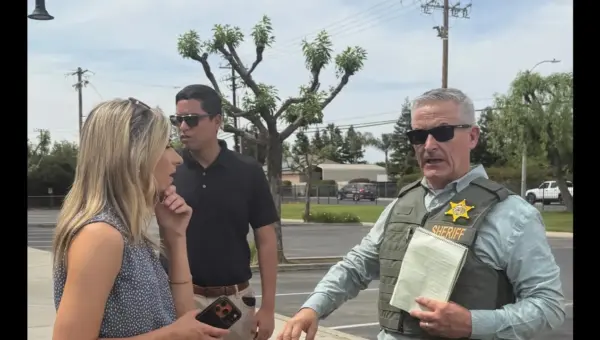
A sheriff's deputy was killed serving an eviction notice in California, highlighting law enforcement dangers. Meanwhile, a massive $267 million hospice fraud scheme involving stolen identities and shell companies was uncovered.


California Officials Clash Over Fraud Fight
California officials are locked in a public dispute over who is leading the charge against widespread hospice fraud. The conflict, playing out on social media, raises questions about the state's effectiveness in combating financial crimes and protecting taxpayer funds.


California Loses $180B to Fraud, Officials Accused of Lax Oversight
California is reportedly facing $180 billion in losses due to fraud and abuse, with allegations of lax enforcement by state officials. The scale of the problem, particularly in healthcare and home services programs, has drawn criticism and fueled public concern over government spending. Experts believe the pandemic significantly worsened the situation by increasing the amount of money in circulation without adequate oversight.