Trump Pivots to Business with Iran Amidst Global Chaos
Amidst confusing reports from Iran, Donald Trump has shifted focus to a potential business deal involving the Strait of Hormuz. His suggestion of a "joint venture" with Iran has drawn criticism for prioritizing potential personal profit over complex geopolitical issues.

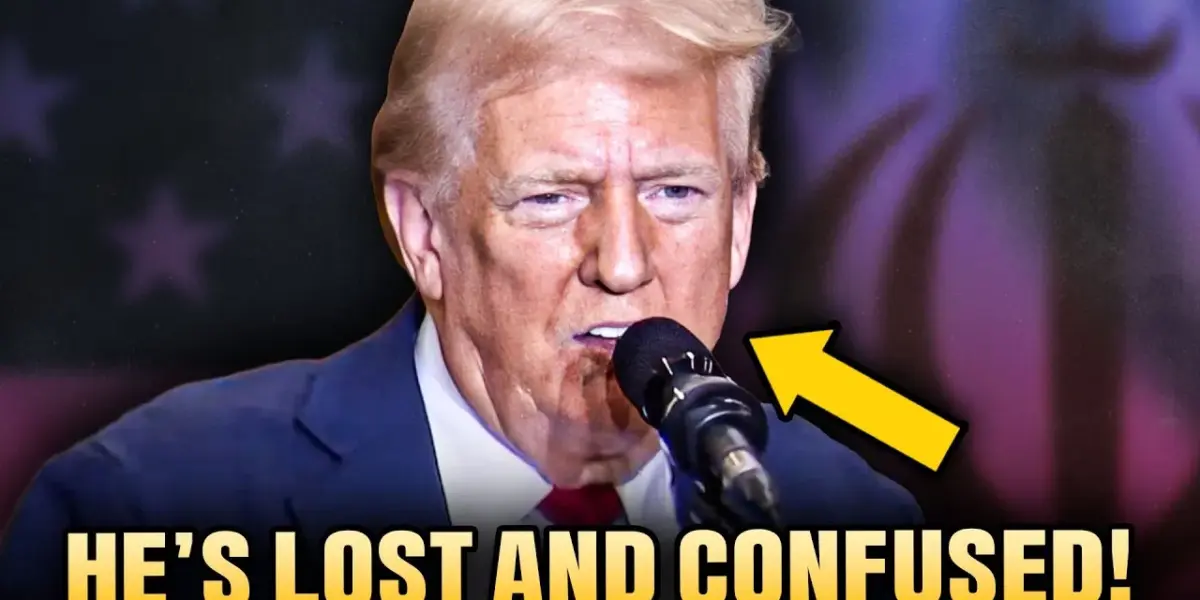
Trump Pivots to Business with Iran Amidst Global Chaos
Reports about the situation in Iran have been confusing lately. It’s hard to tell if there’s a real ceasefire or if ships can freely pass through the Strait of Hormuz. Different governments are giving different stories, leaving everyone unsure about what’s happening now or what will happen next.
Amidst this uncertainty, Donald Trump seems focused on one thing: making money. As soon as news broke about a fragile ceasefire, Trump immediately commented on Iran’s plan to charge ships for passage. He thought this was a good idea, but then he added his own twist: he wanted a cut of the profits.
A Business Opportunity?
Trump suggested a “joint venture” with Iran. He called the idea of charging ships “beautiful” and implied it could be a way to secure the situation and keep others out. He framed it as a way to make money for the United States, but his comments suggested a personal interest as well.
“Money is it’s a beautiful thing… Maybe I’d get my hands on some of that money. Wouldn’t that be wonderful?”
This proposal raises serious questions. Trump’s past actions and statements directly contradict this new business-minded approach. Just hours before suggesting a joint venture, he had threatened to completely destroy Iran’s civilization, even mentioning genocide. It seems highly unlikely that a country facing such threats would agree to share its revenue with the person making them.
The idea that Iran would willingly give Trump a share of its earnings, especially after such extreme threats, seems far-fetched. It highlights a perceived pattern of prioritizing personal financial gain over complex geopolitical strategies.
A Pattern of Prioritizing Profit
Critics argue that this incident reveals a core aspect of Trump’s approach: if there’s a chance to make money, it becomes the top priority, regardless of other global or national concerns. This tendency, they say, makes him easily influenced.
The suggestion of a joint venture effectively signals to other nations, including adversaries, that financial incentives can sway U.S. policy. It implies that by offering Trump personal financial benefits, other countries might gain free rein and avoid U.S. interference. This could weaken America’s standing and encourage less scrupulous dealings on the world stage.
Historical Context and Implications
This situation echoes past concerns about Trump’s business dealings and potential conflicts of interest while in office. Throughout his presidency, questions arose about how his personal business empire might influence his decisions as president. Critics often pointed to instances where his policies seemed to benefit his own properties or ventures.
The Strait of Hormuz is a critical waterway for global oil transport, making any disruption there a significant international concern. Historically, tensions in this region have often involved complex negotiations and careful diplomacy. Trump’s approach, however, appears to bypass traditional diplomatic channels in favor of a direct business transaction.
This focus on personal gain, as interpreted by critics, could embolden nations looking to exploit perceived weaknesses in U.S. foreign policy. It suggests a transactional approach to international relations, where financial considerations might outweigh strategic alliances or long-term stability.
Why This Matters
The implications of this stance are significant. It suggests that foreign policy decisions could be influenced by the potential for personal profit, rather than national interest or global security. This could undermine trust in U.S. leadership and create opportunities for adversaries to manipulate American policy.
For the United States, this approach raises questions about the integrity of its foreign policy and its commitment to democratic values. If financial incentives can dictate actions, it weakens the U.S. position as a reliable global partner. It also sets a dangerous precedent for future leaders.
Future Outlook
Looking ahead, this incident highlights the ongoing debate about the role of business interests in politics. It raises concerns about transparency and accountability in foreign policy decisions. The long-term impact on international relations and the perception of American leadership will depend on how such situations are handled and the precedents they set.
The world watches to see if a more traditional, security-focused approach to the Strait of Hormuz will prevail, or if the allure of potential business deals will continue to shape U.S. foreign policy in unpredictable ways. The emphasis on personal financial gain, if it becomes a defining characteristic of foreign policy, could lead to a more unstable and transactional global environment.
Source: Trump Suddenly Wants To Be Iran's Business Partner (YouTube)

Related Articles

Iran Nuclear Talks Heat Up Amid Ceasefire Concerns
The White House is clarifying its stance on Iran's nuclear program, emphasizing that enrichment is off the table. Meanwhile, a high-level delegation is heading to Pakistan for critical talks amid reports of continued hostilities and the alleged closure of the Strait of Hormuz, testing a fragile ceasefire.

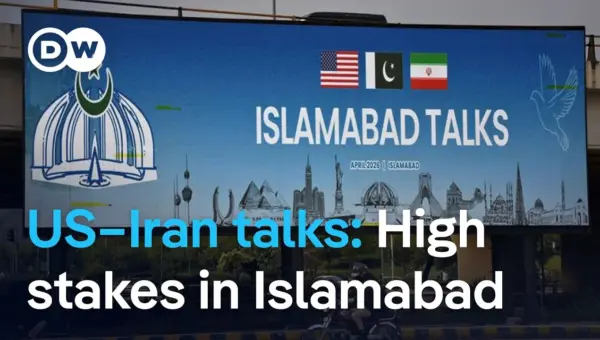
US-Iran Talks Falter Amid Hormuz Standoff, Ceasefire Strain
A fragile ceasefire between the US and Iran is under severe strain as tensions rise over the critical Strait of Hormuz. Both nations accuse each other of violating the terms of a recent deal, while international efforts to secure the vital shipping lane intensify. Crucial peace talks are underway in Pakistan, but deep-seated distrust and maximalist demands from both sides cast doubt on the likelihood of a comprehensive agreement.

Buttigieg Spars With MAGA Host Over Iran War Claims
Transportation Secretary Pete Buttigieg and a MAGA host clashed over Iran's nuclear program and the justification for military action. The debate highlighted differing views on presidential credibility and American strength.