Buttigieg Confronts MAGA Critic on Key Issues Live
Transportation Secretary Pete Buttigieg engaged in a spirited debate on CNBC, challenging pro-Trump arguments on Iran, inflation, and leadership. The exchange highlighted differing perspectives on complex economic and foreign policy issues.

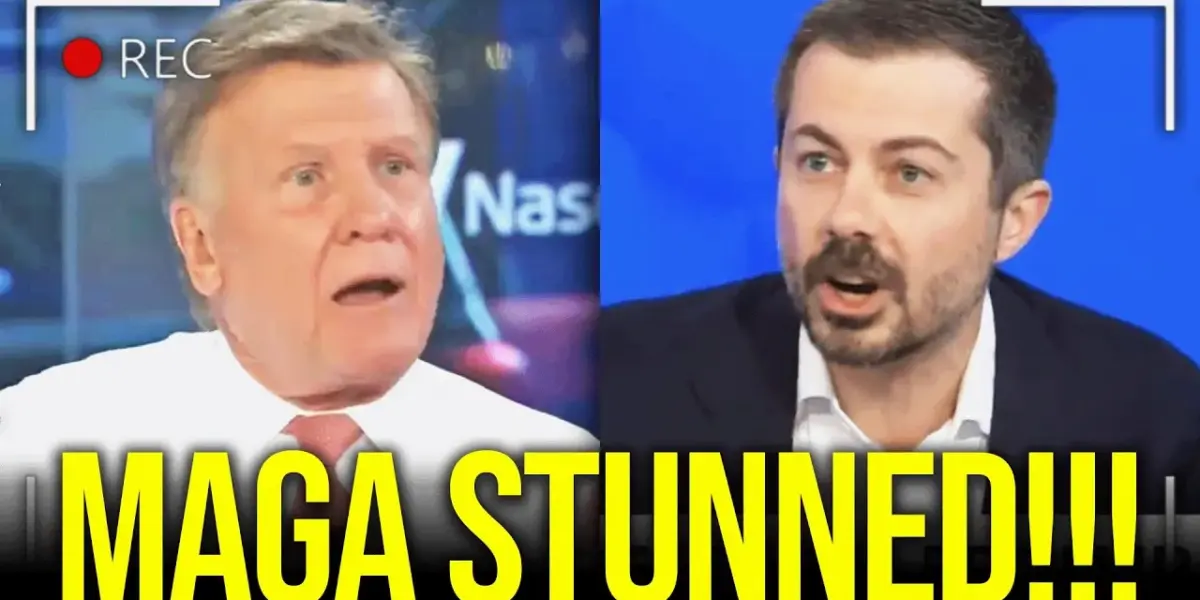
Buttigieg Confronts MAGA Critic on Key Issues Live
A recent exchange on CNBC showed Transportation Secretary Pete Buttigieg facing tough questions from a pro-Trump commentator. The discussion touched on major topics like the conflict with Iran, rising inflation, and questions about leadership. This moment brought to light the increasing focus on the current administration’s statements and how they connect to real-world problems.
Challenging the Narrative
The debate started with the commentator presenting arguments often heard from supporters of former President Trump. He questioned the administration’s approach to international conflicts, particularly concerning Iran. The commentator also raised concerns about the economy, linking current inflation rates to the government’s policies. These points are central to the ongoing political debate in the United States.
Buttigieg responded directly to these criticisms, offering a different perspective. He pushed back on the idea that the administration’s policies were solely responsible for economic issues like inflation. He also addressed the situation with Iran, suggesting that the previous administration’s actions had created challenges. It was a clear attempt to counter the narrative being presented.
Inflation and Economic Concerns
Inflation has been a major concern for many Americans. Prices for everyday goods, from groceries to gas, have gone up significantly in recent years. The commentator suggested that government spending and certain policies were the main drivers of this price increase. This is a common argument from those who favor less government intervention in the economy.
Secretary Buttigieg, however, pointed to a more complex picture. He argued that global factors, such as the lingering effects of the COVID-19 pandemic and supply chain disruptions, also play a large role in inflation. He also highlighted efforts the administration is taking to address these economic challenges. It’s like trying to fix a leaky faucet while a storm is raging outside; multiple factors are at play, and some are harder to control.
Foreign Policy and Leadership
The discussion also turned to foreign policy, with a specific focus on Iran. The commentator implied that the current administration’s approach had weakened America’s standing and emboldened adversaries. He suggested a return to the policies of the Trump era would be more effective in promoting stability.
Buttigieg defended the administration’s foreign policy decisions. He argued that the previous administration’s approach had led to instability and increased tensions in the region. He emphasized the importance of diplomacy and working with allies to address global challenges. The goal, he suggested, was to build stronger relationships and find peaceful solutions, rather than relying solely on confrontation.
The Art of the Debate
The exchange highlighted the different communication styles and political strategies at play. The commentator used direct, often confrontational language, aiming to rally a specific base of support. Buttigieg, on the other hand, adopted a more measured tone, attempting to provide detailed explanations and counter arguments with facts and policy points.
This kind of public debate is crucial in a democracy. It allows voters to hear different viewpoints on important issues. It also shows how political figures handle pressure and criticism. The way these arguments are presented can influence public opinion and shape political discourse for months to come.
Why This Matters
This CNBC exchange is more than just a single debate; it’s a snapshot of the broader political and economic discussions happening today. It shows how complex issues are debated on live television, often simplified for a general audience. The effectiveness of these arguments and the responses they receive can impact voter perceptions and policy decisions.
Understanding these exchanges helps us see the different visions for the country. One side emphasizes a more nationalistic approach and less government spending, while the other focuses on international cooperation and government programs to address societal needs. The challenge for voters is to sift through these competing claims and decide which direction they believe is best.
Looking Ahead
As the election cycle approaches, expect more debates like this. Politicians will continue to challenge each other on their records and their plans for the future. Issues like inflation, foreign policy, and leadership will remain at the forefront of these discussions.
The way these debates are handled, both by the participants and the media, will be important. Clear communication and fact-based arguments are essential for an informed public. The ability of leaders to address complex problems effectively will be a key factor in shaping the country’s path forward.
Historical Context
Political debates on television are not new. Since the days of televised presidential debates in the mid-20th century, media has played a huge role in shaping public opinion. Different formats have emerged, from formal debates to more informal interview-style exchanges like the one on CNBC.
Each era has its own challenges and communication styles. In the past, debates might have focused more on character or broad policy ideas. Today, with the 24/7 news cycle and social media, discussions can become more focused on specific events, economic data, and immediate policy impacts. This CNBC moment fits into that modern tradition of rapid-fire political discussion.
Source: Pete Buttigieg Body Slams MAGA Boomer on LIVE TV (YouTube)

Related Articles

Buttigieg Spars With MAGA Host Over Iran War Claims
Transportation Secretary Pete Buttigieg and a MAGA host clashed over Iran's nuclear program and the justification for military action. The debate highlighted differing views on presidential credibility and American strength.


Netanyahu Pushed for Iran Attack; Only Trump Said Yes
John Kerry confirmed that Israeli Prime Minister Benjamin Netanyahu proposed attacking Iran to multiple U.S. presidents. While Barack Obama, George W. Bush, and Joe Biden refused, Donald Trump was the only one who agreed to the plan. This highlights significant differences in foreign policy approaches among U.S. leaders regarding Iran.
Oil Prices Hold Steady Amid Iran Tensions, Inflation Eases
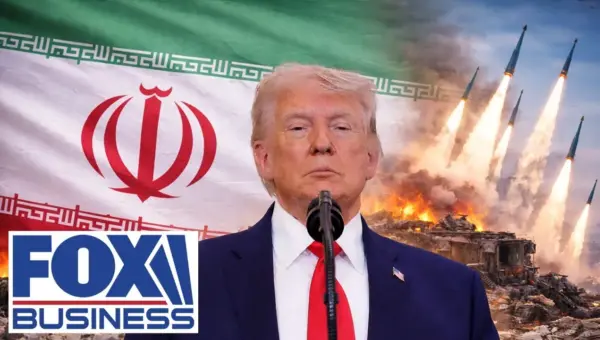
Oil prices remain below $100 a barrel despite rising tensions with Iran, as inflation shows signs of cooling. While diplomatic talks face significant hurdles, Saudi Arabia's pipeline capacity and falling food prices offer some economic stability. Investors remain cautious, weighing geopolitical risks against easing price pressures.