US, Iran Clash on Ceasefire Terms Ahead of Pakistan Talks
Vice President Vance leads U.S. talks with Iran in Pakistan amid a shaky ceasefire and Iranian demands for Lebanon's inclusion and asset release. Tensions over the Strait of Hormuz and domestic inflation add complexity to the high-stakes negotiations.

US, Iran Clash on Ceasefire Terms Ahead of Pakistan Talks
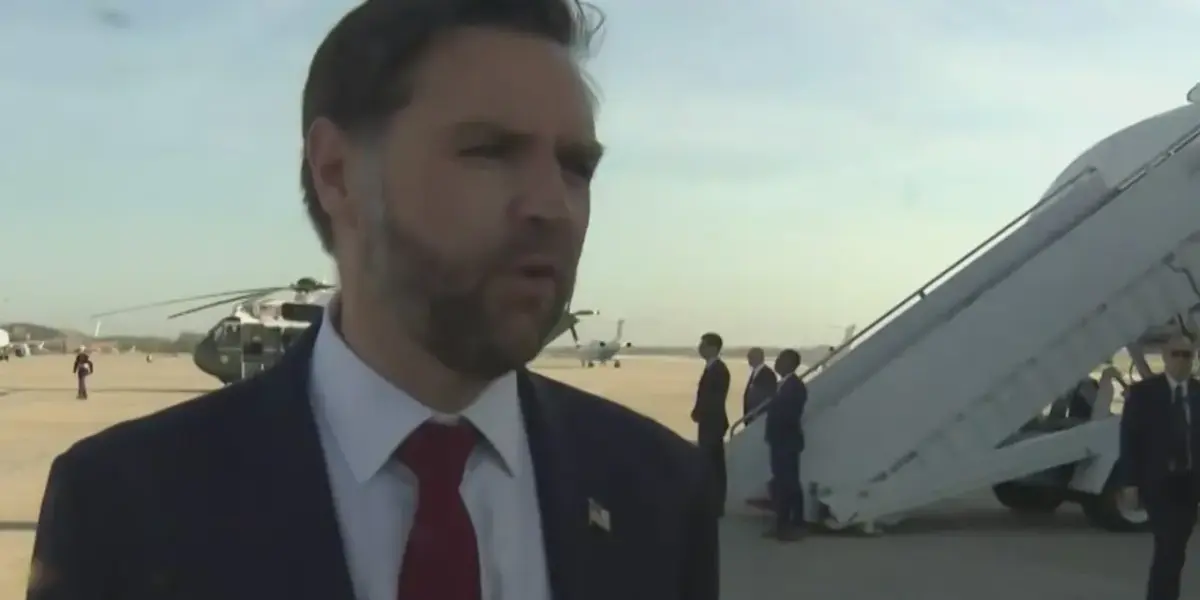
Vice President Vance is heading to Pakistan for high-stakes peace talks with Iran, but a fragile ceasefire hangs in the balance. The U.S. delegation aims for a deal to end the ongoing conflict. However, Iran has publicly demanded terms the White House calls unrealistic. These include a ceasefire in Lebanon and the release of frozen Iranian assets. Tensions over the Strait of Hormuz also threaten the truce, with President Trump noting Iran’s poor handling of oil shipments. These disagreements create a complex backdrop for the upcoming negotiations in Islamabad.
U.S. Expresses Cautious Optimism
Before departing for Pakistan, Vice President Vance shared his hopes for the talks. He told reporters he expects the negotiations to be positive. “We’re looking for the negotiation. I think it’s going to be positive,” Vance stated. He added that if Iran negotiates in good faith, the U.S. will reciprocate with an open hand. However, he warned that the U.S. team would not be receptive if Iran attempts to “play us.” President Trump has given clear guidelines for the talks, and the U.S. delegation intends to follow them.
Iran’s Demands Complicate Negotiations
Iran’s Parliament Speaker has made specific demands before the talks can begin. He insists on seeing a ceasefire in Lebanon and the release of Iran’s blocked assets. Iran is reportedly unhappy that Lebanon was not part of the previous ceasefire agreement. The White House has called these demands serious and potentially deal-breaking. Previously, Iran had threatened to withdraw from negotiations if strikes on Lebanon did not stop. President Trump recently spoke with Israeli Prime Minister Benjamin Netanyahu, urging him to pull back on strikes in Lebanon. This shows the U.S. is trying to mediate specific regional issues impacting the broader ceasefire.
Strait of Hormuz Tension and Economic Factors
The critical Strait of Hormuz, a key route for global oil transport, is another point of contention. President Trump stated that Iran is not managing oil flow through the strait as agreed. “That is not the agreement we have,” he remarked. This issue adds to the significant disagreements that need resolution before a lasting peace can be achieved. The U.S. has expressed confidence that a deal is possible, despite these hurdles.
Key Players and Political Stakes
Vice President Vance is a central figure leading these talks for the U.S. As a potential presidential candidate in 2028, this negotiation could significantly impact his political future. Special Envoy Steve Witkoff and Jared Kushner, who have led previous talks with Iran, are also accompanying Vance. On the Iranian side, the Foreign Minister and Parliament Speaker are expected to be present. However, the exact representatives are unclear. The conflict has led to the deaths of several key Iranian leaders, creating uncertainty about new power dynamics within Iran and potentially influencing the negotiation process.
Domestic Economic Concerns: Inflation
The ongoing war is also impacting the U.S. economy, leading to a surge in inflation. New data from the Labor Department shows consumer prices rose 0.3% in March compared to the previous year. This rise is largely driven by a significant increase in gas prices, which jumped nearly 19% in March. Housing costs also increased, though prices for groceries and health insurance saw slight decreases. The White House is working to address these concerns. A spokesperson stated that while gas and energy prices are volatile, costs for essentials like eggs, beef, and prescription drugs are falling or stable due to President Trump’s policies. The administration maintains that the American economy is on a solid path. President Trump plans to visit Nevada and Arizona next week to highlight changes to tax policy, calling it “Tax Week.”
Global Impact
The success or failure of these U.S.-Iran talks in Pakistan could have wide-ranging consequences. A stable ceasefire would reduce regional instability and potentially ease global energy supply concerns. The Strait of Hormuz is vital for international trade, and any disruption impacts oil prices worldwide. Furthermore, the outcome could reshape diplomatic relations in the Middle East, influencing alliances and rivalries. The U.S. administration’s approach, balancing assertiveness with a willingness to negotiate, will be closely watched by global powers. Domestically, managing inflation and economic stability remains a key challenge for the Trump administration, especially with upcoming elections.
Historical Context
The current tensions echo past diplomatic efforts and conflicts in the Middle East. The U.S. has a long history of engaging with Iran, marked by periods of confrontation and attempts at dialogue. Previous agreements, like the Joint Comprehensive Plan of Action (JCPOA), aimed to curb Iran’s nuclear program but faced significant challenges and eventual withdrawal. The current conflict’s impact on regional stability and global energy markets also recalls historical crises, such as the oil shocks of the 1970s. The complex web of regional actors, including Israel and Lebanon, adds layers of historical grievances and strategic interests to the current negotiations.
Future Scenarios
Several outcomes are possible from these talks. A successful agreement could lead to de-escalation and a more stable Middle East. However, if negotiations fail, the conflict could intensify, leading to further regional instability and economic repercussions. A breakdown in talks might also strengthen hardliners on both sides, making future dialogue more difficult. The U.S. faces the challenge of brokering a deal that satisfies its interests while being acceptable to Iran and its allies. The internal political dynamics within Iran, especially following leadership losses, add another layer of unpredictability to the situation.
Source: Vance believes ceasefire negotiations with Iran will be ‘positive’ | NewsNation Live (YouTube)

Related Articles

Iran Nuclear Talks Heat Up Amid Ceasefire Concerns
The White House is clarifying its stance on Iran's nuclear program, emphasizing that enrichment is off the table. Meanwhile, a high-level delegation is heading to Pakistan for critical talks amid reports of continued hostilities and the alleged closure of the Strait of Hormuz, testing a fragile ceasefire.
US-Iran Talks Falter Amid Hormuz Standoff, Ceasefire Strain
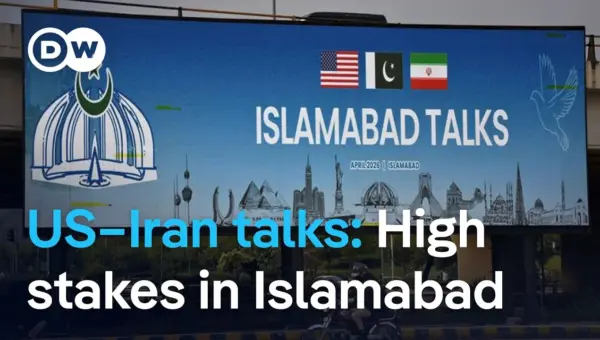
A fragile ceasefire between the US and Iran is under severe strain as tensions rise over the critical Strait of Hormuz. Both nations accuse each other of violating the terms of a recent deal, while international efforts to secure the vital shipping lane intensify. Crucial peace talks are underway in Pakistan, but deep-seated distrust and maximalist demands from both sides cast doubt on the likelihood of a comprehensive agreement.


Netanyahu Pushed for Iran Attack; Only Trump Said Yes
John Kerry confirmed that Israeli Prime Minister Benjamin Netanyahu proposed attacking Iran to multiple U.S. presidents. While Barack Obama, George W. Bush, and Joe Biden refused, Donald Trump was the only one who agreed to the plan. This highlights significant differences in foreign policy approaches among U.S. leaders regarding Iran.