PM Criticizes Trump, Putin Over Rising Energy Bills
Prime Minister Rishi Sunak has directly criticized Russian President Vladimir Putin and former US President Donald Trump, blaming their actions for rising UK energy bills. Analysts discuss the honesty of this approach, public confidence in US leadership, and the UK's diplomatic role in the Middle East. Concerns are also raised about potential US audits of NATO members and the evolving future of the alliance.

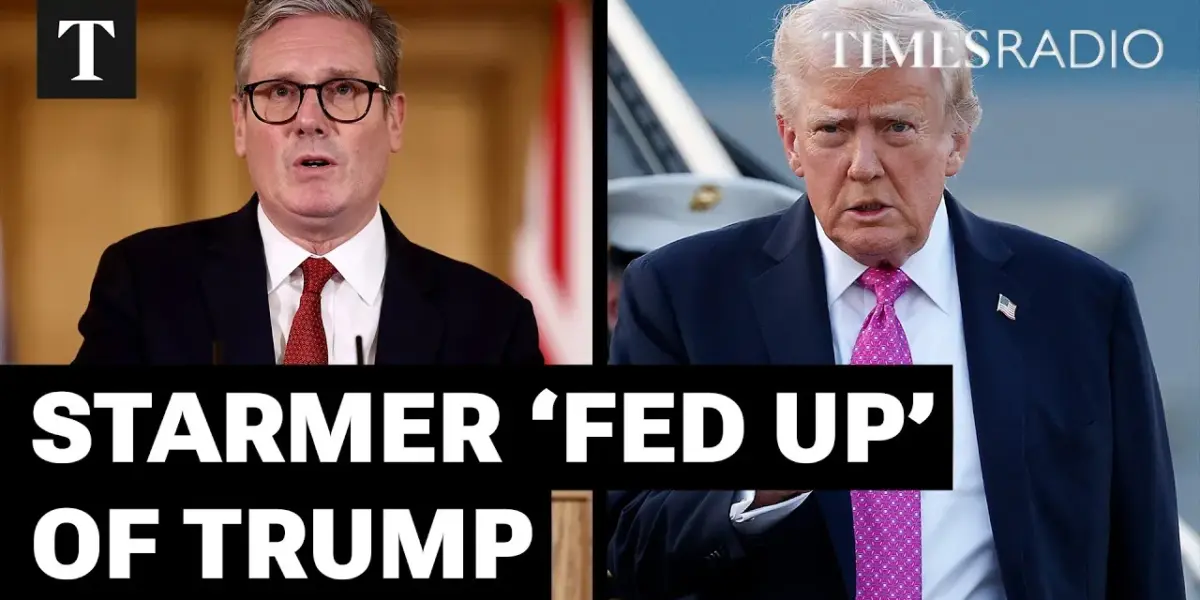
PM’s Strong Criticism of Trump and Putin on Energy Costs
Prime Minister Rishi Sunak has directly criticized both Russian President Vladimir Putin and former US President Donald Trump, blaming their actions for rising energy bills in the UK. This marks some of the strongest language used by the Prime Minister against the US president. The comments came during a trip to Saudi Arabia, where he discussed global energy security.
Honesty and Public Trust in Politics
Nikki, a political commentator, suggested that the Prime Minister’s words, while perhaps loosely phrased, were ultimately honest. She believes the public wants to hear what politicians truly think, especially regarding issues that directly impact household budgets. The government had aimed to focus on the cost of living crisis early in the year, but global events have complicated these efforts. The Prime Minister’s frustration is seen as understandable given these pressures.
Public Confidence in US Leadership
Recent polling indicates a shift in public opinion regarding the US. While historical affection for the US remains, confidence in the current US administration’s ability to make rational decisions appears to have waned. This sentiment likely influences the Prime Minister’s focus on protecting British interests and addressing domestic concerns, especially with local elections approaching. Voters are expected to consider their ability to afford household bills and future energy costs when casting their ballots.
Navigating Mixed Messaging and International Roles
Jack, another analyst, raised concerns about mixed messaging from the UK government. While the government has stated that the current conflict is “not our war,” reports suggest the UK is playing a key role in efforts to reopen the Strait of Hormuz. He cautioned against using extreme language in international diplomacy, noting that even the use of a president’s last name instead of their title can be seen as unprofessional. Maintaining a focus on the significant threat posed by Russia to Europe is also crucial, he argued.
UK’s Role in the Middle East and Diplomacy
Regarding the Middle East, Jack pointed out that the UK does not rely heavily on oil passing through the Strait of Hormuz, unlike countries such as Japan. While maintaining good relations and promoting diplomacy are important, he advised against exaggerating the UK’s impact or appearing to push for a role. A delicate balance is needed between clearly stating British interests, participating in international alliances, and addressing the domestic audience about real priorities.
Keir Starmer’s Position and UK’s Diplomatic Efforts
The discussion also touched upon the role of opposition leader Keir Starmer. Nikki suggested that it is in the UK’s interest to be active in seeking a way forward, particularly regarding the Strait of Hormuz, due to the impact of high oil prices on domestic energy costs. She acknowledged that the UK might be seen as playing catch-up in its diplomatic efforts, facing criticism from Gulf states and Cyprus for being slow to act. However, she believes the UK is well-positioned to help secure the reopening of the strait, capitalizing on its long-standing links with Gulf states.
Concerns Over Trump’s Potential Actions and NATO’s Future
Jack expressed discomfort with the Prime Minister linking Putin and Trump in the same breath, especially given Trump’s past comments about NATO. He felt that while the Prime Minister was trying to show empathy for those facing rising bills, a leader must be cautious about appearing “fed up.” He stressed the strategic importance of separating Trump from Putin, despite any perceived affinity, to avoid damage to the eastern flank of Europe.
The Threat of Audits and NATO’s Evolving Role
Nikki highlighted a new concern: reports that the Trump administration intends to audit the UK and other NATO members to identify those who have disappointed the president regarding the conflict in Iran. She described this idea of an “audit” as extraordinary and likely to be based on Trump’s personal judgment. She agreed with Jack that allies must be careful in their approach to the US, particularly concerning the future of NATO. The conflict has fundamentally changed the relationship with NATO and European security, she stated, and allies need to recognize this shift quickly.
Strategic Importance of NATO and US Involvement
Nikki further elaborated that if allies want the US to remain supportive of NATO, they must carefully manage their interactions. NATO’s primary role is to secure the eastern flank against Russia, which requires continued US involvement. However, the nature of this involvement is changing, and NATO members must adapt to this new reality. The focus remains on ensuring security against Russia, but the dynamics of US participation in the alliance are undergoing a significant transformation.
Source: Starmer Went Too Far In Saying He Was ‘Fed Up’ With Trump | Lord McConnell (YouTube)

Related Articles
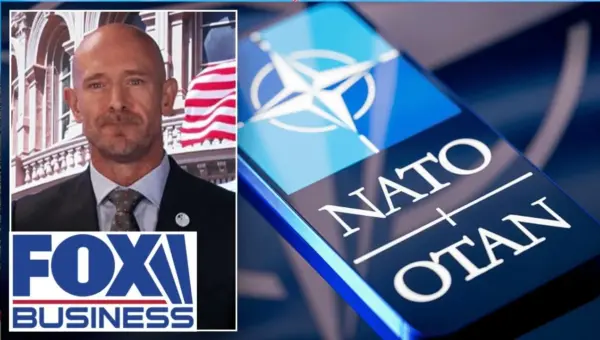
NATO Allies Urged to Step Up Support for US
Retired Navy SEAL Mike Cirelli urges NATO allies to increase their support for U.S. international efforts, citing delays in crucial operations. NATO's chief acknowledges past slow responses, while Cirelli emphasizes the need for allies to take greater responsibility for global security, especially concerning energy supplies.

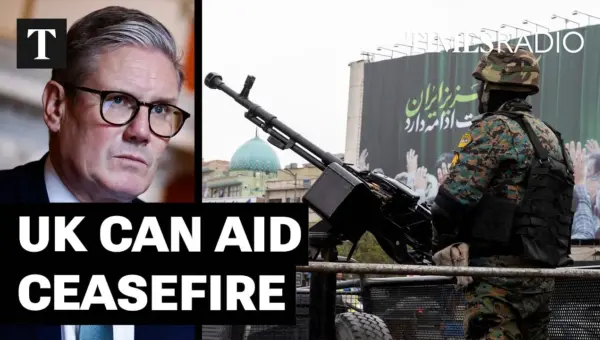
UK Offers Iran Negotiation Insight to Aid Trump’s Stalled Deal
The UK is offering its diplomatic expertise to the US to help President Trump navigate complex negotiations with Iran. As talks loom amidst uncertainty and strained UK-US relations, London believes its experience can aid in achieving a settlement and reopening the Strait of Hormuz. Discussions also highlight the UK's defense readiness and its role in regional stability.

Trump Health Scare Sparks Probe into Medical Records
An urgent investigation has been launched into Donald Trump's medical records following a recent health scare. The probe aims to uncover how private health details were exposed and whether privacy laws were violated. This situation highlights the critical need for robust data security and patient confidentiality, even for public figures.